
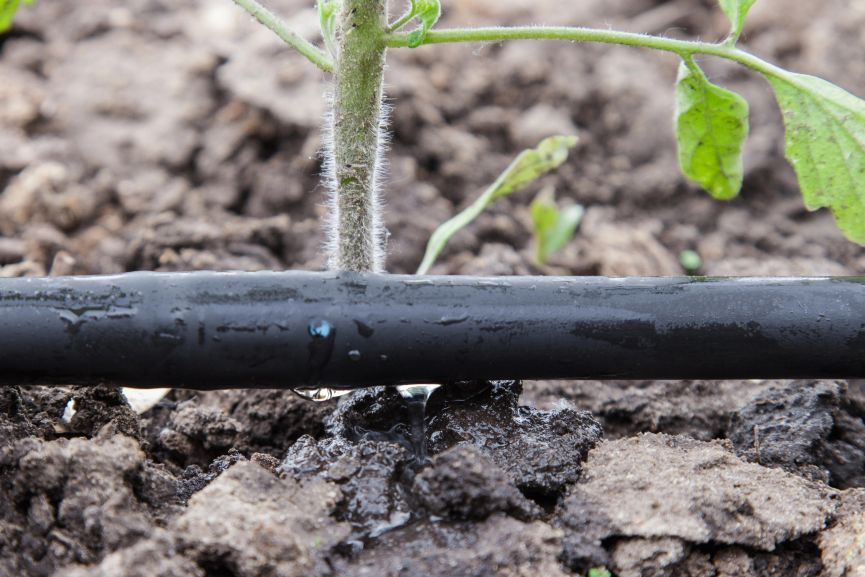
You may be asking yourself: “Is a modern drip irrigation for the garden the way to go when watering my garden?” You may be surprised the answers I get from experts when I asked at the nursery. There are many myths regarding drip irrigation and like any other systems it has its advantages and disadvantages.
Some of the information in your research will likely tell you it can get expensive, it is complex to set up, the maintenance and upkeep is not worth it. Others will tell you it’s the best thing they ever thought because they save on water, on time, and the water is spread evenly within the garden. Some will also say the soil always stay moist and it enhances the growth of their crops.
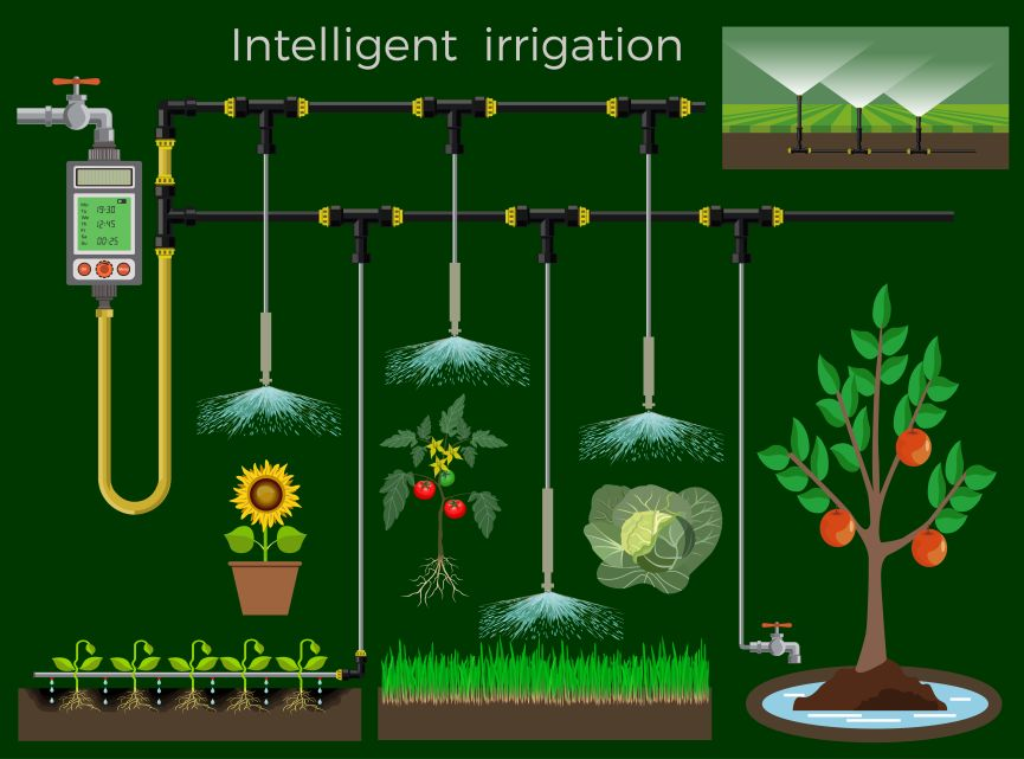
Intelligent Drip Irrigation System is a tool commonly used now when gardening. See below how you can incorporate your irrigation system for your garden.
The main queries before venturing on setting up a modern drip irrigation for the garden are mostly:
- concept of a drip irrigation – how they work?.
- disadvantages of drip irrigation system;
And that’s understandable when you are a seasoned gardener. You need to know: “What am I my facing?” My take is that the older irrigation system was not as reliable because of their poor engineering and lack of endurable material. Like any other domains, technology has and smart designs have changed all that.
Let’s look first at some of the myths or misconceptions of the past that made us stay away from drip irrigation systems
Disadvantages and Misconceptions of a Drip Irrigation System for the Garden
Setting Up the Drip Irrigation System
One of the main misconceptions is the level of difficulty in setting the drip irrigation system for a garden. Concerns such as distance from the main water source, trenches depth, plumbing codes, unnecessary leaks are all cause for concerns. I would say setting up a drip irrigation system may be easier than a sprinkler system but then again – I am no certified plumber either.
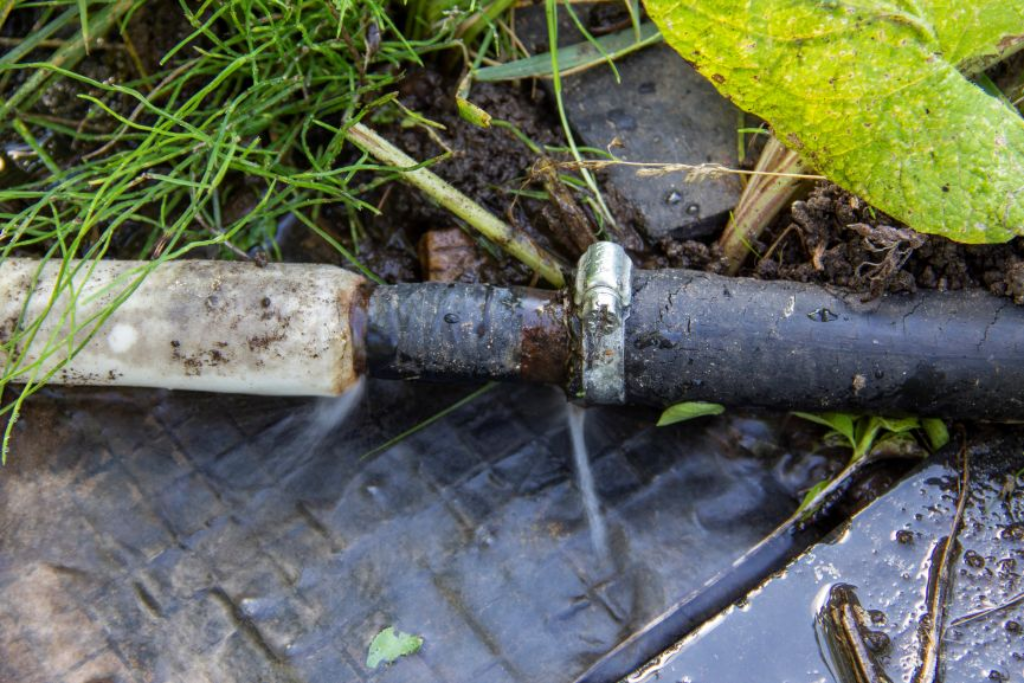
Pipes Clogged from Debris or Hard Water (Rural Areas)
The other concern in the clogging of your pipes or hoses caused by debris (soil, rocks, leaves) or hard water. My previous residence was on a well and the level of iron and calcium was quite high. I never installed one due to that reason. In addition, my garden plot was also 80 feet from the nearest water source.
Today’s systems are equipped with a well-designed filter. Those filters have a 150-mesh stainless steel filter that prevents most clogging issues. As for hard water, a water softener is essential (which I had) which will help but it will depend on the level of minerals in your water.
Water softeners can range from $500 to $3000 before installation. This is not counting your bags of water softener. areas with very hard water, consider a water softener or using maintainable pressure-compensating emitters.
Large Gardens or Lawn Areas Can be a Problem
The next misconception you may hear about is that drip irrigation system isn’t suitable for large gardens or lawn areas. This is actually true but one way to use the irrigation system is to set it ,it focuses on a specific area of the garden – where one area needs more attention such as tomato plants or a specific raised garden. Keep in mind the longer the pipe, the higher the risk of lower pressure.
Using a drip irrigation system maximize water efficiency on large areas if targeted to a specific area.
As for lawns, most nurseries and garden sprinklers installers will tell you to stick to sprinklers and installed professionally.
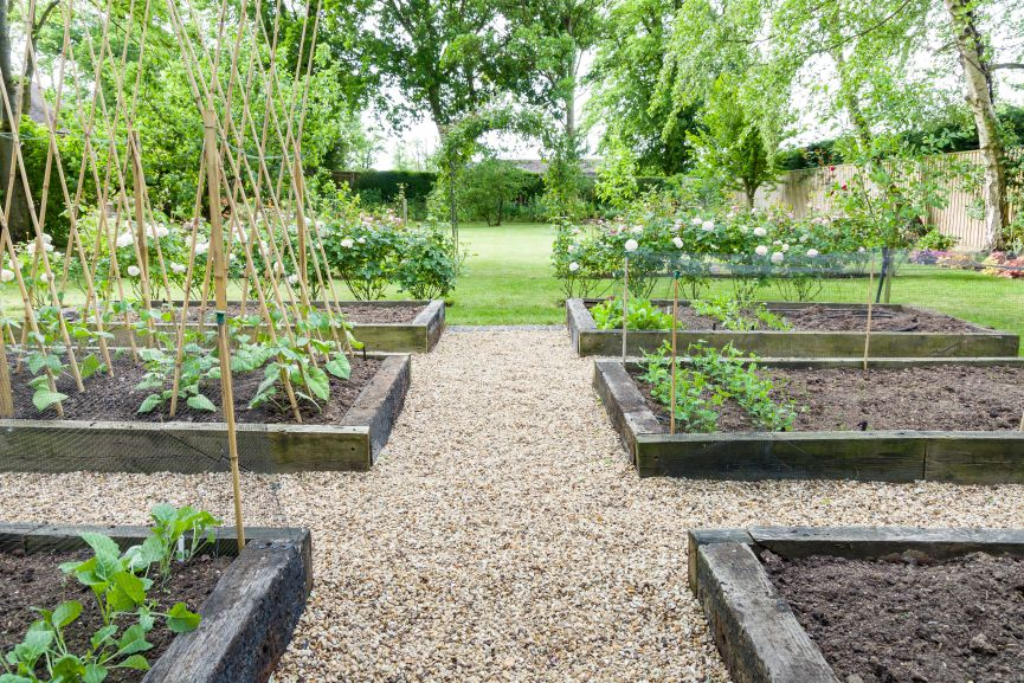
Unbalanced Watering Areas
One other issue I hear is the watering areas are unbalanced meaning one area may get too much water and soak it while another area of the garden won’t get enough or nothing at all in some cases.
Always Plan and Prepare
A solid plan prior will always work wonders. Draw a diagram from the house to the area to be watered and set it so all part of the garden is getting their fair share of water. Where larger plants are planted you can use more emitters to compensate. You can also set the flow rate and timing by adjusting the pressure regulator and setting the timer with reasonable periods of watering.
When Should You Not Install a Drip Irrigation System for the Garden
Large Gardens or Large Gardening Areas – like we mentioned it above avoid a drip irrigation system for larger lawn areas or larger garden plots. For large lawns, sprinklers ae best. They will keep your lawn we and moist and at key times (ex: early mornings).
Water with Very High Minerals – Water with a very high level of iron and calcium to name a couple will eventually clog your pipes and affect the other parts of your system. If you are installing one regardless, invest in a high-caliber water softener and expect to do more maintenance like rust removing.
Cold Climates: If you are like me in Canada, cold climate is an annual occurrence that you learn to live with. Cold climate means winterizing certain outdoor things like a pool or a water bib connected to your house.
With a drip irrigation system that is either above ground or underground, you will have to winterize the whole system annually. General rule in Canada is the ground is usually frozen from 3 to 6 feet deep, so winterizing is a must. That’s why a drip irrigation system may not be the solution for that environment.
What is a Drip Irrigation System?
When you look at a modern drip irrigation for the garden, you need to know how they work, what is the principle behind them and how they benefit your garden. A drip irrigation system aims to bring water directly to the plant’s root where a sprinkler will do both delivering above and watering the roots and leaves.
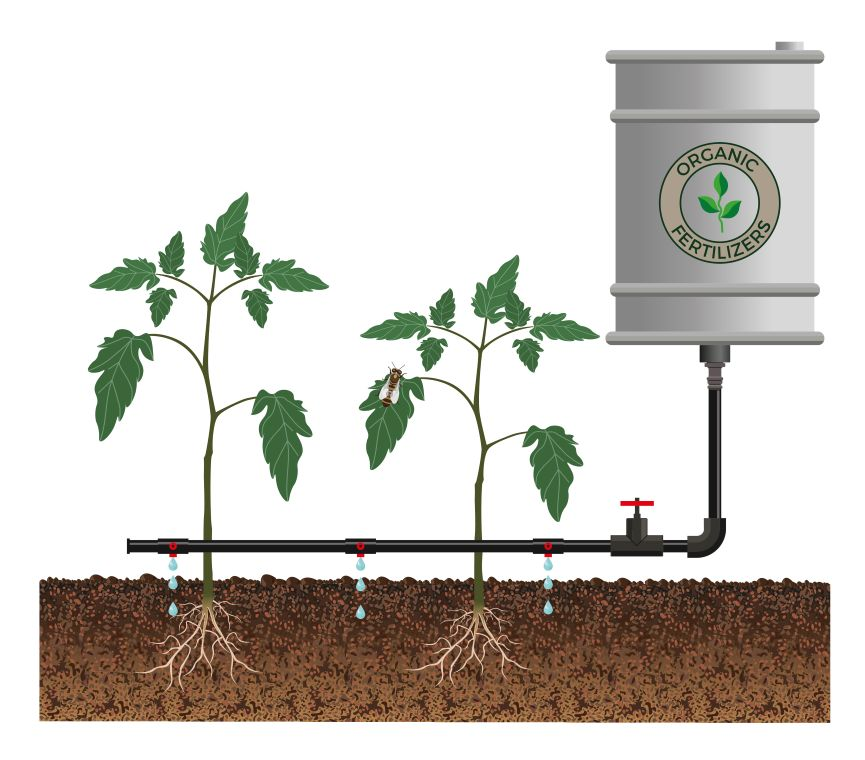
The method of providing water to these roots is primarily through three mechanisms:
- Soaker hoses
- Emitters;
- System drip tapes; and
- Micro-misters.
These irrigation drip systems can be running with pressure (pressurized) or gravity-fed. Each system will save on water consumption and minimized the risks of evaporation keeping the water where it needs to be at the roots of your vegetable or flower plants.
Drip irrigation system is efficient on water consumption, but they must be designed and set the right way for the right purpose. Many systems are set professionally so consider your level of expertise and do your research whether it is for your garden or not.
History of the Drip Irrigation Systems
The history of the drip irrigation systems on farms, plantations or gardens go way back. We can go as far back as 100 BCE where ancient Chinese farmers buried clay pots called olla’s, filled with water that trickled slowly next to their crops.
Later on, more modern techniques were used in Afghanistan and the Middle East where water can be scarce. In 1860, the drip concept was further developed in Germany where researchers experimented with underground watering through irrigation. One concept studied in 1920, was to use a perforated pipe placed at strategic location and water running through it.
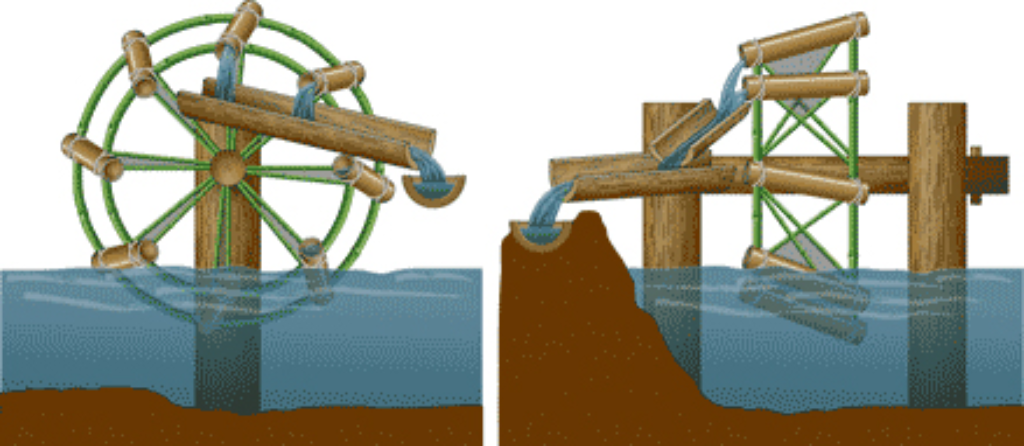
Thanks to DigCorp.com for the Images
Metal was first used but in Australia the plastic pipes were introduced to distribute the water. Plastic can last longer than metal and is lighter. The plastic emitter for the drip irrigation system was later developed in Israel in the mid-60’s.
Since 2010 the water drip irrigation system has become the most efficient and the most popular system to deliver water to lawn and garden crops. Lately the drip irrigation system have fallen under the SMART technology allowing you control your system from your phone or tablet.
What are the Types of Drip Irrigation Systems
There are different types of drip irrigation system for the garden. The most common and modern drip irrigation for the garden are:
- Porous Soaker Hose System;
- Emitter Drip System;
- Micro Misting Sprinklers; and
- Drip Tape.
Each have their own purpose and functions. So, it is important to have the right type for what you want to achieve with regards to watering your garden or lawn.
Porous Soaker Hose Systems
The porous soaker hose system is probably one of the easiest types of drip water system to operate. This system is ideal for hedges like a cedar hedge requiring a lot of water to get started or a row of shrubs aimed at providing privacy with greenery. They are also great for raised beds along your backyard. A porous soaker system is the right type for watering a linear garden or shrubs.
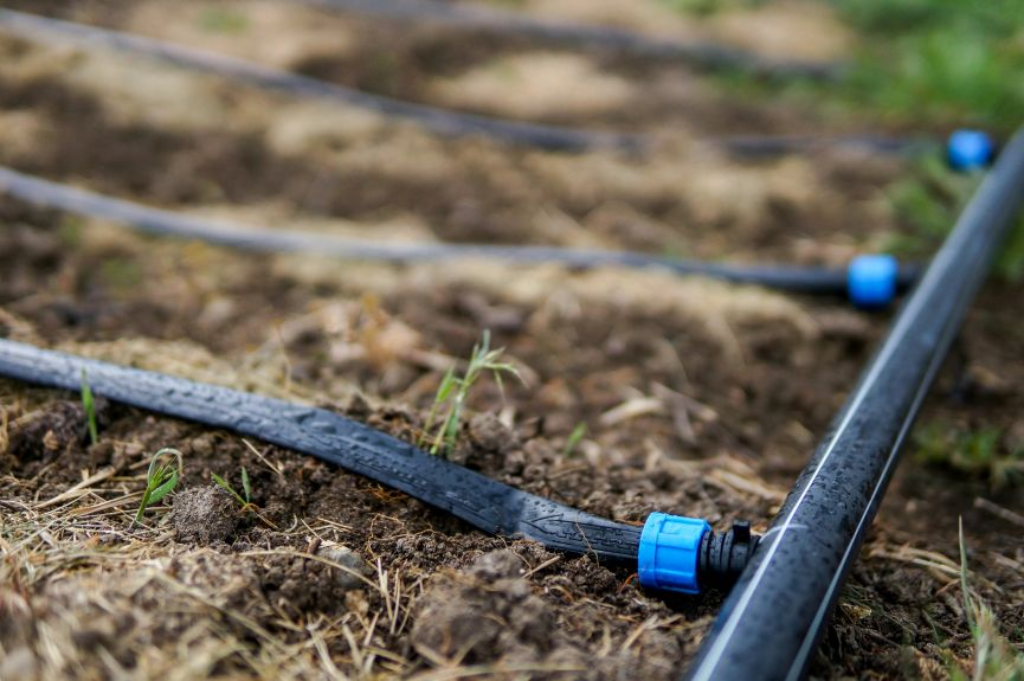
The hose made of rubber mainly from recycled tires with tiny holes throughout to create the drip effect and soak your soil slowly for a certain amount of time. They are reinforced to augment durability since they are sitting on the ground at all times and when they are to be dragged to other areas if need. These porous hoses, very durable in nature, end up slowly soaking the ground and providing water and nutrients to the roots of your plants along its entire length. The hose diameters are generally 1/4 “or 3/8 “ in diameter.
You can get them at your local box store or at a nursery. But you can also use an older hose you want to get rid of and recondition it to be part of a porous soaker hose system.
Emitter Drip System
The emitter drip system has a different concept than the porous soaker hose system. The emitter system uses a button dripper connected to an emitter tubing reaching a specific and precise area for watering. The emitters are an efficient drip irrigation system for the garden since they are specialized to deliver water at a control rate. They are quick to set up and really integrate well in any gardens.
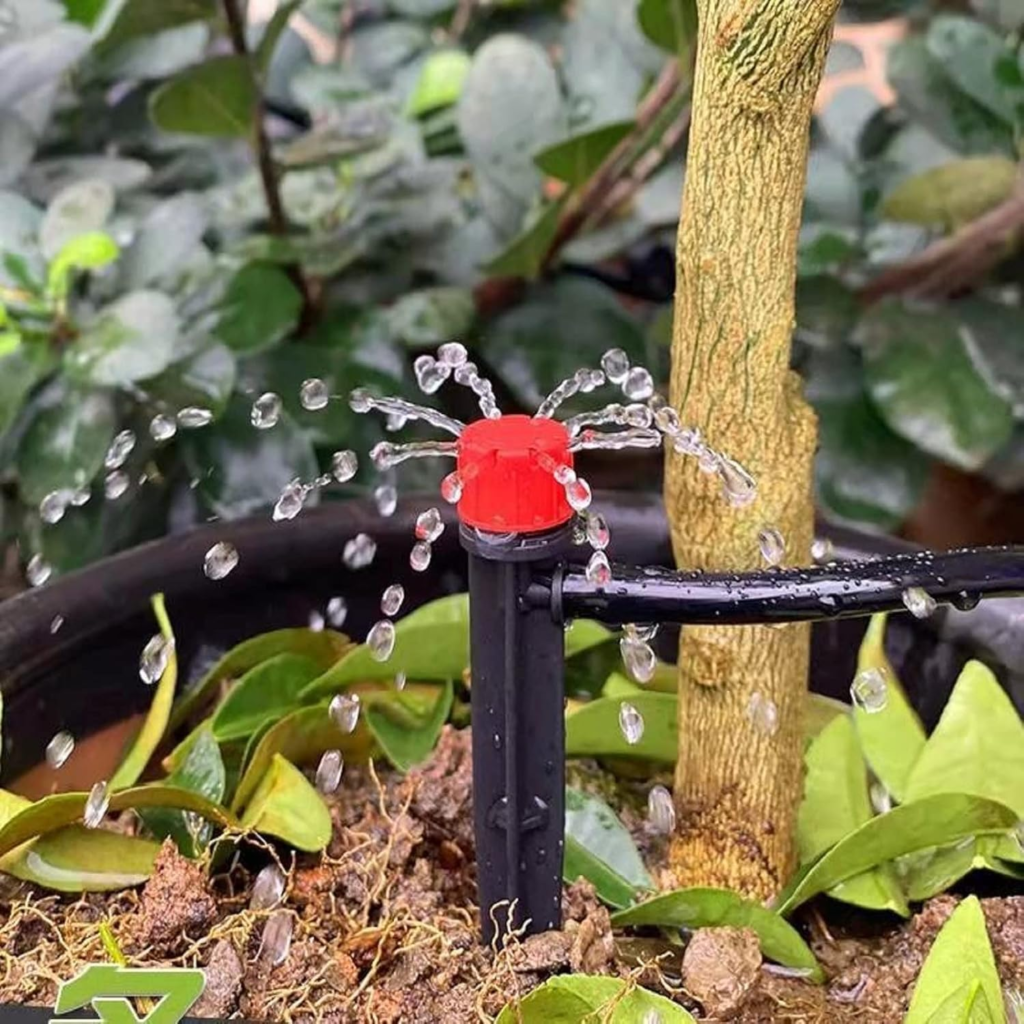
Like other drip irrigation systems, they deliver water at the roots of the plant. The emitters can be pre-installed and are usually integrated into the tubing. If you choose drip tubing, the emitters can be added separately to the drip tubing along with other required accessories. It depends on the type you choose.
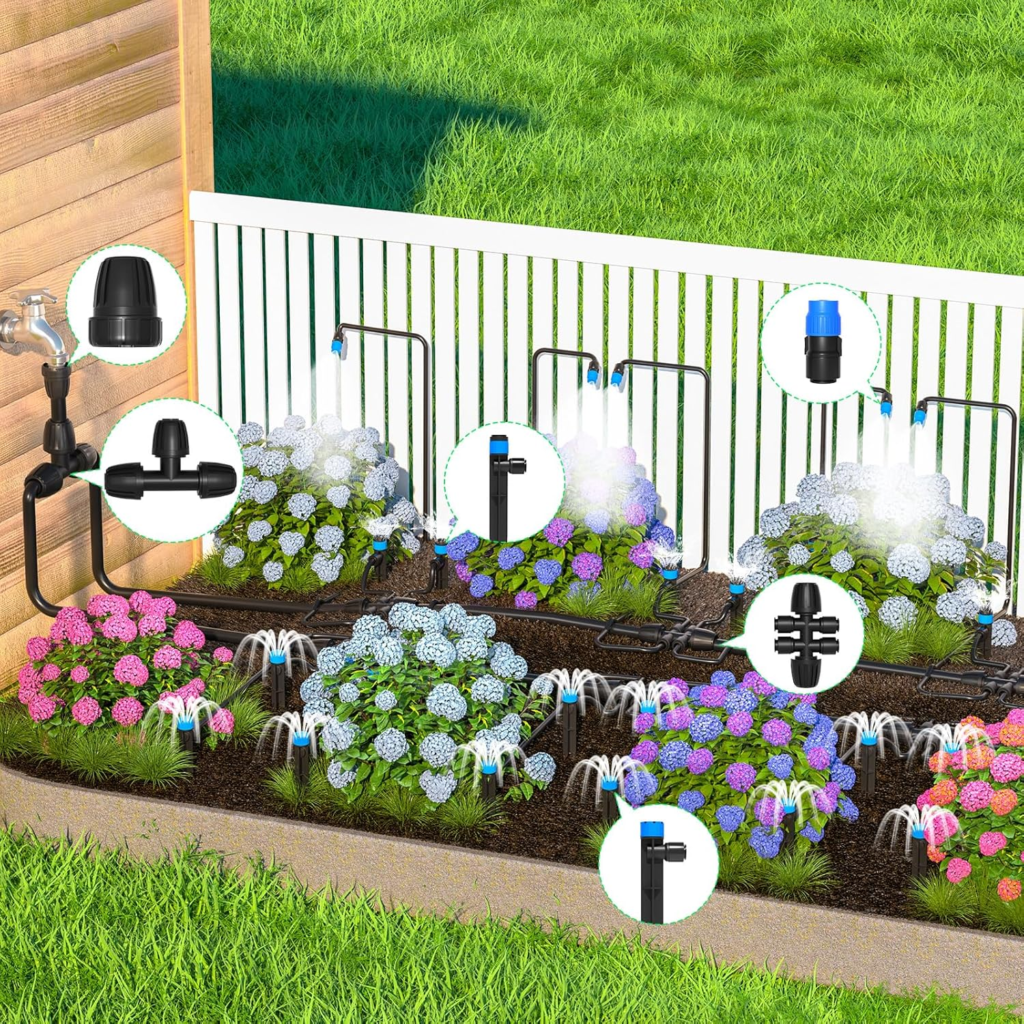
Drip tubing requires more planning and takes longer to set up than the emitter drip system. Drip tubing will give you more flexibility meaning you can add or adjust the drip emitters just emitters and accessories based on your garden’s specific watering needs. In the case, where you wish to use a fixed emitter drip system, it is useful for plants planted in line at with the same spacing.
— Video of emitter drip system (how to set up?) —
Emitter drip rate is normally set at a flow rate of 1&2 GPH or 2&4 GPH.
Micro-Misting Drip System
A micro-misting drip system is another type of drip irrigation system. Like mini sprinklers, this system enhances water consumption by reducing risks of evaporation in your garden. The micro-misting irrigation drip system uses micro spray heads, which is used for trees and flower beds. They can be attached to an existing irrigation tubing system.
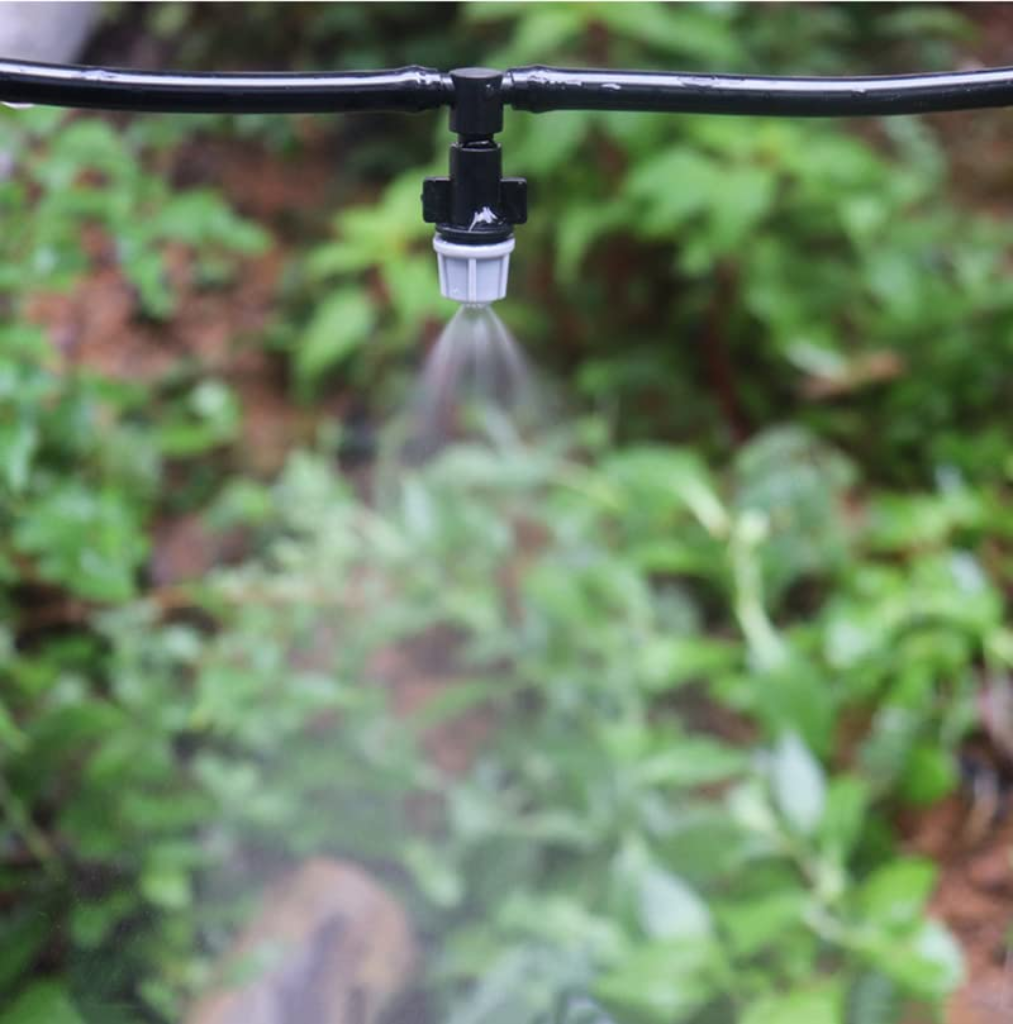
This type is normally used in orchards or plantations but home gardeners with large properties are increasingly going with that model. Micro-misting can extremely be beneficial for large flower beds and some larger trees. Slopes and hillsides are also the ideal locations for this type of dip system.
A micro-misting drip irrigation system will accurately spread water at a slow rate while keeping the water intake even. This is useful for shallow-rooted shrubs such as the rhododendrons. Like its term states: “mist”; the system is capable to provide a nice gentle mist on leaves and branches on cloudy and cooler temperature days.
Drip Tape Watering Hose
Drip tape is the most convenient method to set a modern drip irrigation system for the garden. Although, they are affordable and easy to set up, their endurance is limited. The drip tape watering hose is only for straight line watering line a cedar hedge or a line of shrubs. The principle is the same since water is provided at the roots slowly soaking the soil to avoid quick evaporation.
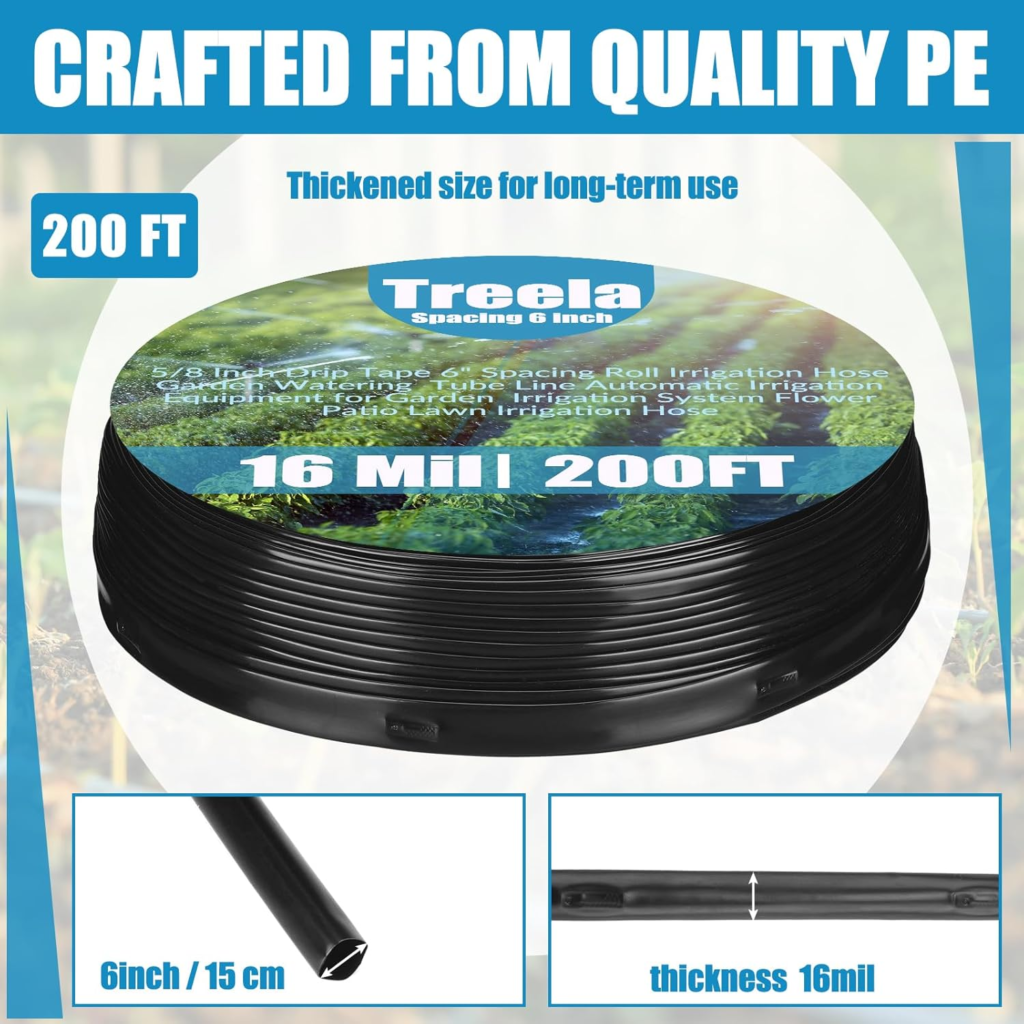
If you have a straight flower garden line or a front yard flower bed this may be the ideal solution. They can work great in vegetable patches particularly for rows of tomato plants, It is preferable to lightly cover it with mulch or bury it with a bit of soil to enhance its efficiency.
The drip tapes are built stronger than a few years ago. Most of the thickness you will find are 8mil and 16mil thickness. Always be careful on the pressure you will set for your drip tape. Brands of drip tapes will usually post on the package the ideal flow rate for the drip tape to avoid damages to it. It can vary, depending on the thickness and brand. Drip tapes are sold by roll, so you will need to measure how much length you need to cover before purchasing it.
Considerations When Installing a Modern Drip Irrigation for the Garden
You have your garden set up, things are growing but not evenly or as it should. You feel like you are doing something wrong. Is it the soil? Is it the location or is it the way or frequency you are watering you garden?
A few things need to consider, if watering is the main issue for the garden but also for you. Here are a few items to consider:
Water Source Proximity
A distant water source from your garden means more piping and tubing to reach the desired area which requires more maintenance, cost more and puts you at risk of not getting the required flow rate.
Type of Soil
If your soil is not receptive to a drip irrigation system, it is not worth venturing in setting up one. Soaking up poor soil quality will set you up for issues such as killing your plants. Not only the nutrients are lacking but adding water will not help them either.
Size of the Area to Water
If you are looking at a small garden near your house, the idea of setting up a drip irrigation system may seem overkill and costly. Why adding maintenance when you can pull the garden hose and water the garden for 5-10 minutes?
But if you have a large area to cover a modern drip system may be the ideal solution to save water and time and maximize growth.
Type of Plants
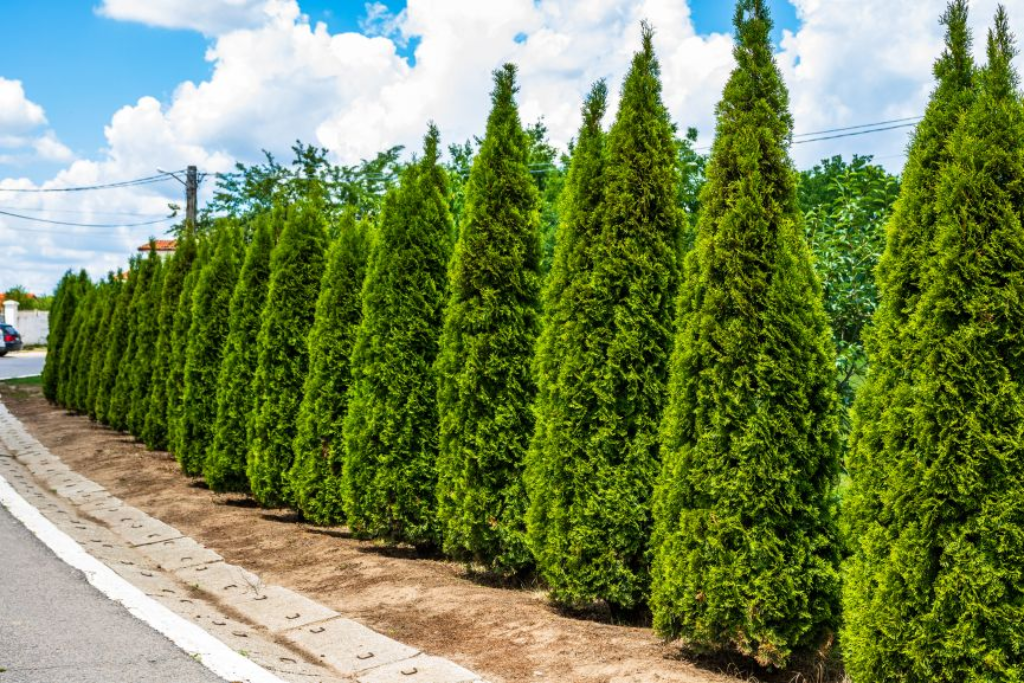
The type of vegetable plants, shrubs, trees may point you in the direction of installing a drip irrigation system. As an example, if you are starting a cedar hedge of a couple hundred feet, lining up a linear drip tape is a great idea to keep these cedars soaked especially at the start until they get their strength to live on their own.
Time Management
If you are a young family and insist on having a garden time may not be n your side. Watering in the morning and at night may take away valuable time with your children or spouse. Same goes for a professional couple working long hours. When time gets in the way, the garden may suffer regarding watering but with a drip irrigation system set, it is one less thing to worry.
When you start the season, the garden requires its fair share of water. Watering at the roots may be a way to do it. The water is spread evenly soaking the soil. Combined with your timer set for early dawn and at sunset, it will also give you the opportunity to sleep a little later in the morning. No need to get up, the drip is running and doing its thing.
Budget
Setting up a modern drip irrigation for the garden can be costly. Do your research by knowing what type is best for you and reviewing them thoroughly. What is the most important factor? Is it convenience or affordability. You can install it yourself (cheaper) but depending on the complexity, a professional installation may be better regardless of all these do-it-yourself videos around. Getting cheap quality products mean replacing them regularly which cost more in the end.
Type of Systems
We discussed the four types above. Know what you need based on the other considerations above. If you are feeding a garden plot, a raised bed, a hedge or small orchard, each will require a specific type of irrigation drip system. So, the type is an important consideration.
Maintenance Required for a Drip Irrigation System
Like any systems outdoor, the drip irrigation system for the garden requires some degree of maintenance. Below is a short list of the mandatory maintenance required.
Spring Season (Starting Up)
In the Spring, remove end caps and flush the drip line for at least 30 seconds. Check for any winter damage if the lie was left outdoor. Replace the end caps.
Summer Season (Operating Mode)
In the summer, checked monthly for a steady flow (coverage areas and flow rate). This is a great time to check for cracked tubing or cracked fitting due to sun exposure. Plastic do get dry and crack with time.
Fall Season
The Fall season is the closing of the garden and the time to shutdown your drip irrigation system. This the time to drain the tubing lines for freezing temperatures (if applicable). Filters if used are to be clean where leaves may have entered. Finally store all the outdoor components exposed to the cold temperatures (if applicable).
As a note, this maintenance is only if the system is installed correctly and/or professionally.
Ideal Drip System Operations – How It Should Work?
When you set a modern drip irrigation system for the garden, you want a system that will operate optimally and with little maintenance. You want a system that will not flood your garden or omit to water a critical area of the garden. Modern drip irrigation installation has become dramatically easier, especially for homeowners who want to start small and expand over time.
Smart Watering Schedule on Your Timer
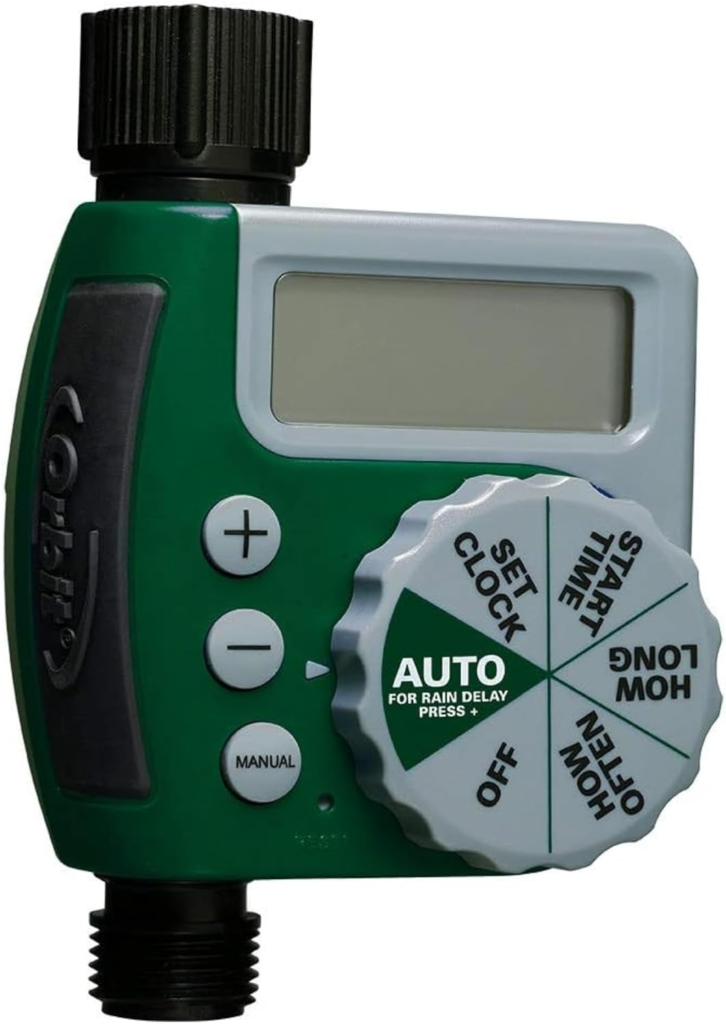
Too deep or too shallow at infrequent and consistent time will promote a growth downward by the roots instead of remaining shallow to absorb the water’s nutrients. Investing in a good timer will set the water to start at the right time and deliver at the proper depth. Many smart controllers exist to fulfill this task. As an example, you can set your controller to water for 45 minutes every three e days instead of watering every day for 15mins.
Proper Design Location
In your planning, you will draw the design and plan your watering zones. This is important for targeted watering for the plants that need it the most. The design should consider zoning certain areas with plants requiring the same amount of water. Setting it up at the base of the plant away from direct sunlight will provide more water since there is less evaporation. You can mix and match 0.5, 1, 2, or 4 GPH emitters based on the plant groups.
Parts Not Functional or Incompatible.
A drip irrigation system will not function as it should if the system consists of the wrong parts like the wrong emitters for an emitter drip line. In addition, a dried-up tube may be cracking where you will not see it and over water a certain area. Finally, a do-it-yourself system mixed with different regulators, emitters and tubes or hoses is a recipe for malfunctioning drip system. Cover the main lines with mulch or light soil, which will protect it from sun exposure or pest.
Water Pressure Regulation
I recommend using a water pressure regulator. A garden water drip system for a garden operates at 15 to 35psi. Since most residences have a water pressure varying between 40 and 80psi a regulator will for control your drip irrigation system and avoid a system failure and uneven flow. The pressure set will water the garden evenly and sufficiently while maintaining the pressure to a normal pressure in the house.
Water Source to Consider
There are three main sources of water you can consider. It will depend on the type of property and the potentially existing system in place already (ex: sprinkler system). The water sources are:
Outdoor Hose Faucet Connection
This is the easiest route to follow. It is perfect for pots, planters, raised bed boxes, or small garden patches. Certain combo kits will have all the components to connect to your backyard hose bib. It will include regulator, filter and the drip adapter.
Retrofit Existing Sprinkler Heads
If you have an existing sprinkler system for the lawn this could be the ideal solution. All that is needed, is to replace a sprinkler head with a drip manifold. With this method, you are using an existing irrigation system and redirect top a specific area where certain plants need it.
Dedicated Irrigation Drip Zone
If you are redoing your backyard or just want to install a brand-new system a dedicated drip zone may be the best approach. In this case, expect to pay more for equipment and labor. Dedicated drip zones operate using specific valves connecting to your water source at the house.
Advantages of Using a Modern Drip Irrigation System for the Garden
If your drip irrigation system is well planned, designed, installed and maintained you can reap the benefits year after year. A drip irrigation system has many advantages. In addition, the systems aren’t what they used to be. Modern, smart and great quality equipment makes this watering method an increasing popular method of watering trees, lawn and gardens.
Water Conservation
- Use up to 65 to 70% less water than using a sprinkler system;
- Water goes to the ground and doesn’t evaporate due to sun exposure or windy conditions;
- Targeted areas where the water is needed (Accurate); and
- Less waste of water. Spread evenly among the surface of the drip zone.
Health of your Plants
- Soil moisture level is consistent and steady;
- Reduction of possible disease with wet leaves;
- Soaked soil promotes less weed in the garden; and
- Roots benefits of the best watering conditions to develop.
Convenience
- Can be set with an automatic timer;
- No hose handling and pulling to water;
- Great for time management – watering takes place when you are away; and
- Can be rigged in a set and forget (professionally).
Cost Savings
- Reduction of water bills – particularly in the summer;
- Avoid possible plants replacement due to poor water conditions;
- Once set – maintenance is low; and
- Compatibility with existing system, if applicable (ex: sprinkler heads)
Final Thought on Garden Drip Irrigation System
If you want to have a modern drip irrigation system for the garden this year, you will need some planning, designing and research. If it is already done for you that’s great but expect the cost cab high. Know the reasons why you need to set up a drip irrigation system. It will dictate the type you need and how to set it up.
Many combo kits exist through various stores or online so do your research and read your reviews. Expect some maintenance to be done but t should be minimal if you do it right the first time.
For saving water, maximize growth and manage your time efficiently a drip irrigation system may be the way to go.
If you have comments to share or ideas to add, feel free to comment below.