Best Flowers to Decorate Your Backyard: Expert Picks for Color, Privacy, and Curb Appeal

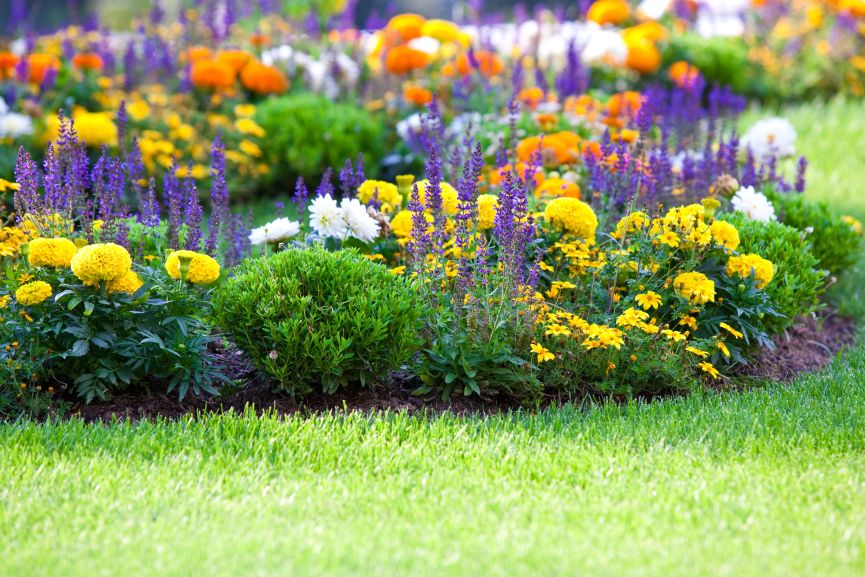
You can turn your backyard into a bright, inviting space with the right flowers. In this article we will look at the best flowers to decorate your backyard. In planning your flower garden, you will need to look for blooms that add strong color, long seasons of growth, and simple care. When you choose well, your yard feels lively without adding extra work.
I find that the best flowers to decorate your backyard are a mix of easy annuals like petunias and zinnias for bold color and hardy perennials like coneflowers, black-eyed Susans, and lavender for lasting structure and repeat blooms. These plants grow well in many climates and handle full sun, which most backyards get. I would also suggest adding a few shade lovers, such as hostas or impatiens, if trees cover part of your yard.
A great tip is to group flowers in clusters or borders to create clear shapes and steady color. When you mix heights and bloom times, you keep your backyard looking fresh from spring through early fall. The color pattern adds distinguished look to your backyard garden.
Below we go further here are some key takeaways to rember:
- Use flowers to decorate your backyards with a mix of annuals and perennials.
- Bring into your flower garden vibrant colors such as zinnas and petunias.
- Use flowers that are best for pollination to attract bees and butterflies.
- Ensure you plan your garden in layers to have your shorter ones in the front and taller ones in the back.
- You can add structures like arbor, pergolas or other water features to add more charms.
- Set yourself a maintenance calendar or time table so you don’t get overwhelmed and stay on top for best results.
Top Flower Choices for Vibrant Backyard Displays
I focus on flowers that deliver strong color, long bloom time, and easy care. The right mix of perennials, annuals, and native plants keeps my backyard bright from spring to fall.
Showstopping Perennials for Lasting Color
Those perennials that will create that stunning effect are flowers like hydrangeas and peonies. Leep in mind perennials are your flowers that will serve as the anchor of your garden since they return every year. They save time and give steady color once they settle in.
As mentionned hydrangeas are always a safe avenue with their large clusters in blue, pink, or white. They work well along fences or near patios where you want bold shape.
Second, peonies and irises bloom in late spring and add rich color early in the season. Plant them in sunny spots with good drainage in the soil. As for summer colors, choose coneflowers (echinacea), black-eyed Susans, and coreopsis. These flowers handle heat and bloom for weeks.
Tall blooms like delphiniums and foxgloves add height at the back of your flower beds. Daylilies, daisies, and salvia fill gaps with steady color.
One other great flower I can suggest is to use bleeding heart in shady areas and azaleas for strong spring color in partial shade.
Annuals That Bloom All Season
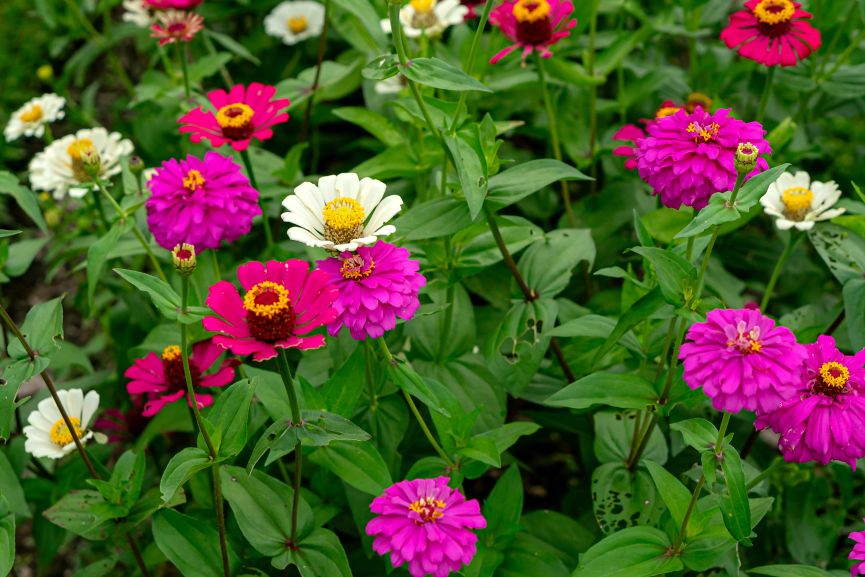
To get the most out of your flower garden it is best to use annuals. For non-stop colors from late spring until frost, the best flowers for a backyard garden are zinnias, marigolds and petunias. Those flowers are the perfect type because they grow fast and fill empty spaces quickly. Zinnias, marigolds, and petunias can handle full sun and bloom for months. They will resZist resist many pests, which makes them easy to manage.
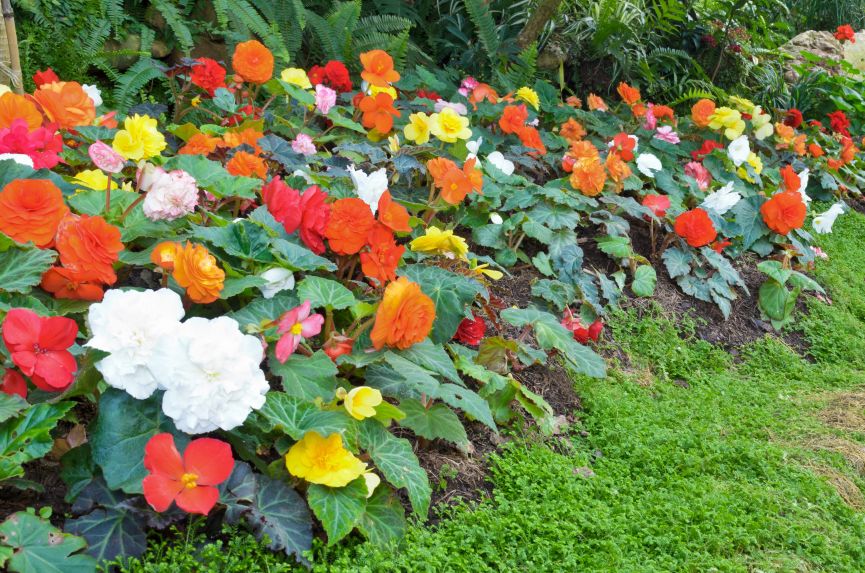
For cooler weather, you can pansies in early spring and fall. They hold up well in mild cold temperatures. If you have shady areas, one of the flowers I tend to go to are impatiens and begonias. They brighten dark corners with steady blooms.
Snapdragons add vertical lines in mixed beds while geraniums work well in pots and along walkways.
I sometimes include nasturtiums, which are edible flowers. Their bright orange and yellow blooms look good in raised beds or near vegetables.
Drought-Tolerant and Low-Maintenance Flowers
If you are looking at adding low-maintenance flowers or drought tolerant plants, there are some options available to you. There are some flowers that can tolerate the dryness of summer more than others. The flowers listed below can handle heat and dry soil once established.
The coneflowers, black-eyed Susans, and coreopsis perform well in full sun. They need little care beyond deadheading. As for the salvia and dianthus (pinks) they will also tolerate dry conditions. Note that the dianthus adds low mounds of color near borders. For bold impact, one great flower is the sunflowers in the back of beds or along fences. They grow tall with minimal care.
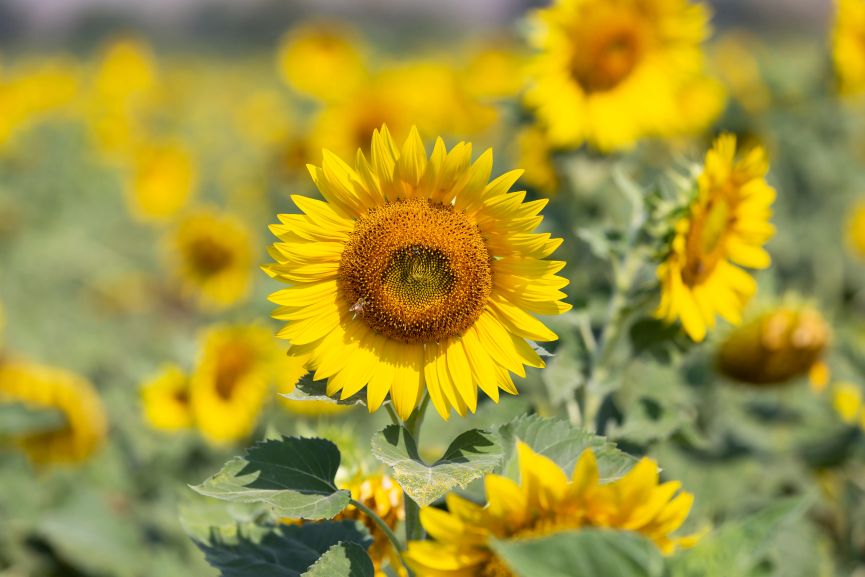
Many native plants adapt well to local soil and rainfall. I often add them to create a small wildflower meadow look in open areas. This reduces mowing and supports local wildlife.
Best Flowers to Attract Pollinators
Pollinators are essentiual to a healthy flower garden. It is important to plant flowers that draw bees, butterflies, and other types of pollinators. A mix of shapes and bloom times keeps them coming all season. They are attracted to vibrant colors and scent. Below are some flowers that are excellent pollinators:
Echinacea, black-eyed Susans, and daisies offer open centers where bees can land easily.
Salvia, delphiniums, foxgloves, and snapdragons attract hummingbirds and bees with their tubular blooms. I group them together to make them easier for pollinators to find.
Sunflowers provide pollen and later seeds for birds.
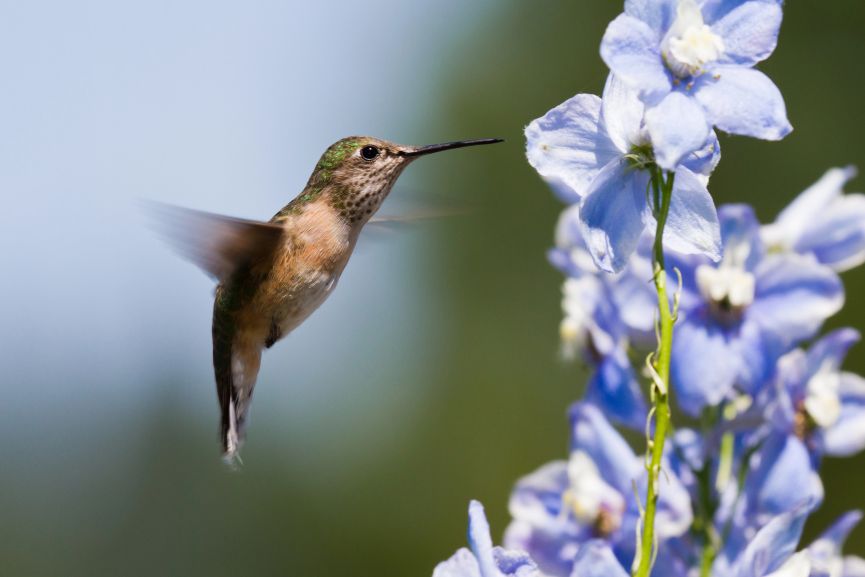
I also include the annuals mentioned above like zinnias, marigolds, and nasturtiums to not only add colors but to also support useful insects. By mixing annuals, perennials, and native plants, I create a backyard that stays active and colorful through the growing season.
Designing Stunning Flower Beds and Borders
Strong flower beds depend on smart garden layout, clear plant groupings, and careful layering. I focus on height, color, and structure to keep garden beds attractive from early spring through fall.
Layering for Depth and Color
When I design flowers for the backyard, I design the flower beds by placing plants in layers from back to front. This method, often called layering flowers, adds depth and keeps each plant visible. It also helps them getting the sun needed, particularly the shorter flower plants.
In the back row, I use tall plants such as hydrangeas, ornamental grasses, or climbing plants trained on an arbor or trellis. Climbing flowers like clematis or climbing roses also work well along fences.
Thank you to Garden Gate Magazine for their contribution.
In the middle layer, I plant medium-height perennial flowers such as coneflowers, salvia, or compact hydrangeas. I group plants in clusters of three or five for stronger color impact.
At the front edge, I add low plants and ground covers. Hostas, ferns, and creeping thyme soften the border and hide bare soil.
This simple height rule keeps garden borders neat and balanced.
Combining Perennials and Annuals Effectively
I rely on perennial flowers for structure and long-term value. Plants like hostas, hydrangeas, and ornamental grasses return each year and form the backbone of my garden beds.
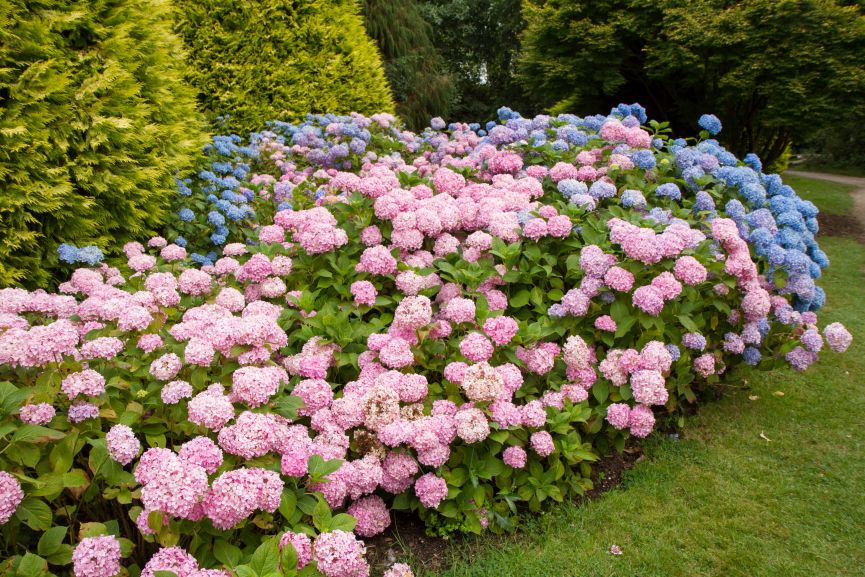
Perennials often bloom for a few weeks at a time. To fill gaps, I add annuals such as zinnias, petunias, or marigolds. These provide steady color through summer.
I place annuals in open spots between established plant groupings. This method keeps the bed full without overcrowding roots.
For easy planning, I follow this pattern:
- Backbone plants: hydrangeas, boxwood, ornamental grasses
- Seasonal color: annual flowers
- Texture plants: ferns, hostas, succulents
This mix keeps flower beds colorful while reducing the need to replant everything each year.
Creating Focal Points and Garden Edges
Every strong garden layout needs a focal point. I often use a large hydrangea, a shaped boxwood shrub, or a small arbor covered with climbing flowers.
A single bold plant draws the eye and anchors the space. Around it, I arrange lower plant groupings to guide attention inward.
For clean garden borders, I use defined edges. Popular options include:
- Natural stone edging
- Brick or pavers
- Low hedges such as boxwood
- Metal or concrete edging
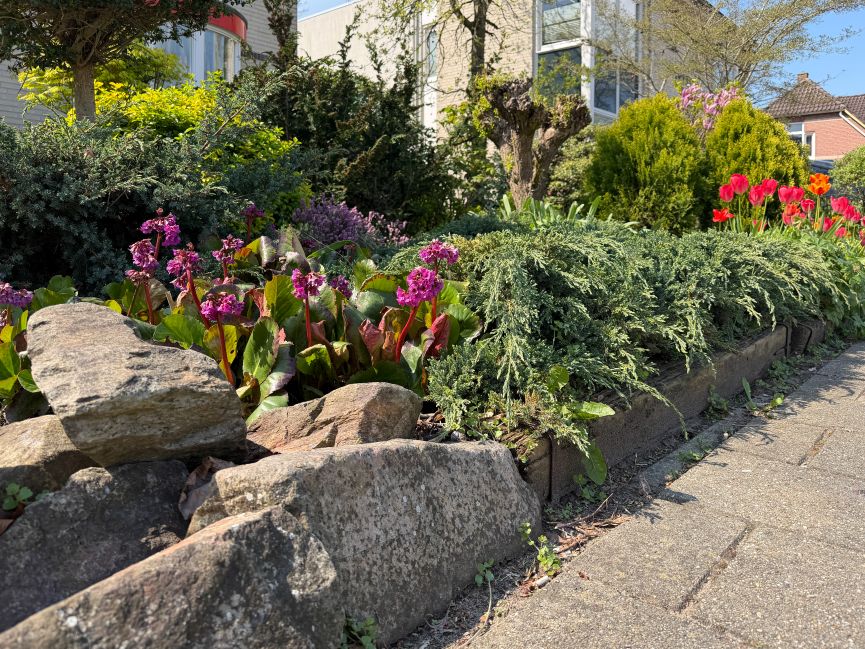
I keep lines simple and consistent. Clear edges prevent grass from spreading into flower beds and make the yard look organized.
Ground covers near the edge also help reduce weeds and soften hard lines.
Planting Ideas for Raised and Tiered Beds
Raised beds improve drainage and make planting easier to manage. They are the perfect solution in areas with poor soil or uneven ground. In raised beds, I usually plant taller perennial flowers toward the center and shorter plants along the sides. This keeps the shape balanced and prevents shading.
The approach to tiered beds is different. For those built with retaining walls, they normally create a stronger visual impact. In these cases, I recommend cascading ground covers or succulents along the top edge so they spill slightly over the wall. You still want to keep the appeal of the wall, so don’t let them go wild.
Multi-Level Designs
In multi-level designs, it is always good to set key repeat plants, such as hostas or ornamental grasses, on each level. Repeating plants ties the tiers together and prevents the space from feeling cluttered.
With clear structure and careful layering, raised and tiered beds become both practical and attractive.
Creative Flower Garden Themes and Styling
I choose a clear theme before I plant anything. A strong style helps me pick the right flowers, shapes, and colors so the space feels planned instead of random.
Cottage and Wildflower Meadow Gardens
If you are looking for a cottage garden style to design, design it to look full and slightly informal. The easiest way is to mix tall flowers like hollyhocks at the back with mid-height blooms and low edging plants in front. For myself, I plant them in loose groups, not straight lines.
Thank you to Middle Sized Garden for their contribution.
I often add lavender and rosemary along paths. They give scent, soft color, and structure. I let some plants spill over borders to soften hard edges.
For a wildflower meadow feel, I’d recommend using native wildflowers and grasses. It is easy, simply scatter seeds in a sunny area and allow flowers to grow closely together. This style works well for larger yards and needs less strict pruning.
Key plants to use:
- Hollyhocks
- Coneflowers
- Black-eyed Susans
- Lavender
- Native wildflowers
This theme suits gardeners who want color, movement, and a relaxed layout.
Modern Minimalist and Monochrome Plantings
When I want a clean look, I limit my color palette. A monochrome planting uses one main color, such as white or purple, with small variations in shade.
I repeat the same flower type in blocks to create rhythm. For example, I plant rows of white lilies or mass plant purple salvia. Repetition makes the design feel organized.
II is important to keep shapes simple. The best way is to use straight paths, raised beds, or rectangular borders. Maintain a steady trimming to keep your plants in sharp straight lines.
Design tips I follow:
- Choose 1–2 main flower colors
- Use bold groupings instead of mixed clusters
- Add gravel or stone for contrast
This style fits small yards and patios because it keeps the space open and uncluttered.
Butterfly and Pollinator-Friendly Spaces
With the presence of pollinators you can build a butterfly garden with nectar-rich flowers. You will achieve this by focusing on blooms that provide food from spring through fall. In my flower garden, I plant those in sunny spots since most pollinators prefer warmth and I group the same plants together so butterflies and bees can find them easily.
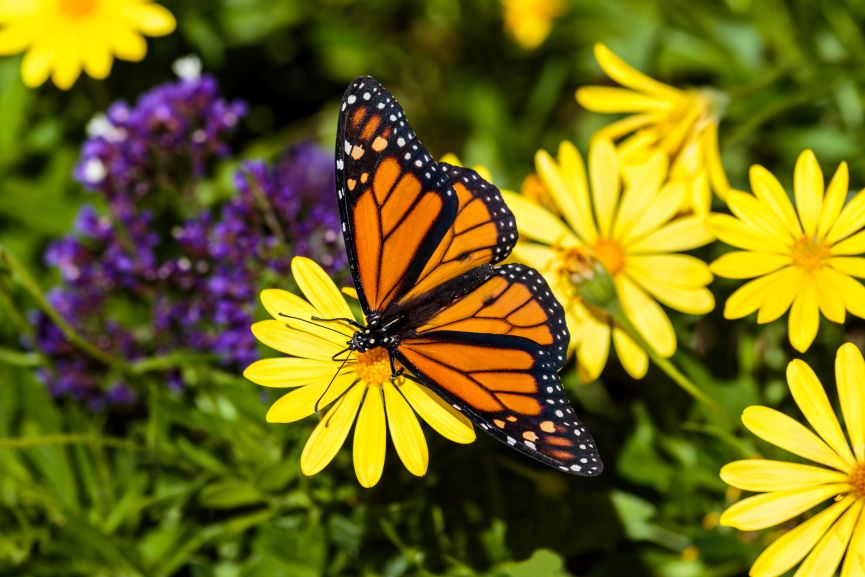
In my pollinator garden, I include:
- Coneflowers
- Milkweed
- Bee balm
- Lavender
- Native wildflowers
I avoid pesticides because they harm helpful insects. I also add shallow water sources, such as a small dish with stones, so butterflies can land safely.
This type of garden supports local wildlife while adding steady color to the backyard.
Tropical and Zen-Inspired Flower Gardens
A tropical flower garden uses bold colors and large leaves. I combine bright flowers like hibiscus with plants that have strong foliage shapes.
I layer plants by height to create depth. Taller tropical plants go in the back, with medium and low growers in front. I keep the soil rich and well-drained.
For a zen flower garden, it’s important to reduce clutter and focus on a calm design. Aim to use fewer flower types and add natural elements like smooth stones or simple water features. The sound of water trickling always add a peaceful surrounding for a zen flower garden.
I rely on structure and balance. I space plants carefully and trim them often. Lavender or ornamental grasses can add soft movement without making the space look busy.
Both themes depend on clear planning, but one highlights bold color while the other values simplicity and order.
Incorporating Features and Structures for Visual Impact
I use strong garden features to guide the eye and give flowers a clear place to shine. Water, paths, vertical elements, and containers help me shape the space and control how people move through it.
Water Features and Flowering Accents
If you require a clear focal point, adding a water feature may your best bet. You can create a small pond, set a bird bath or a simple basin. Most water features work well in most backyards. Adding an artificial trickling pond can add a lot of beauty and trasnquility too.
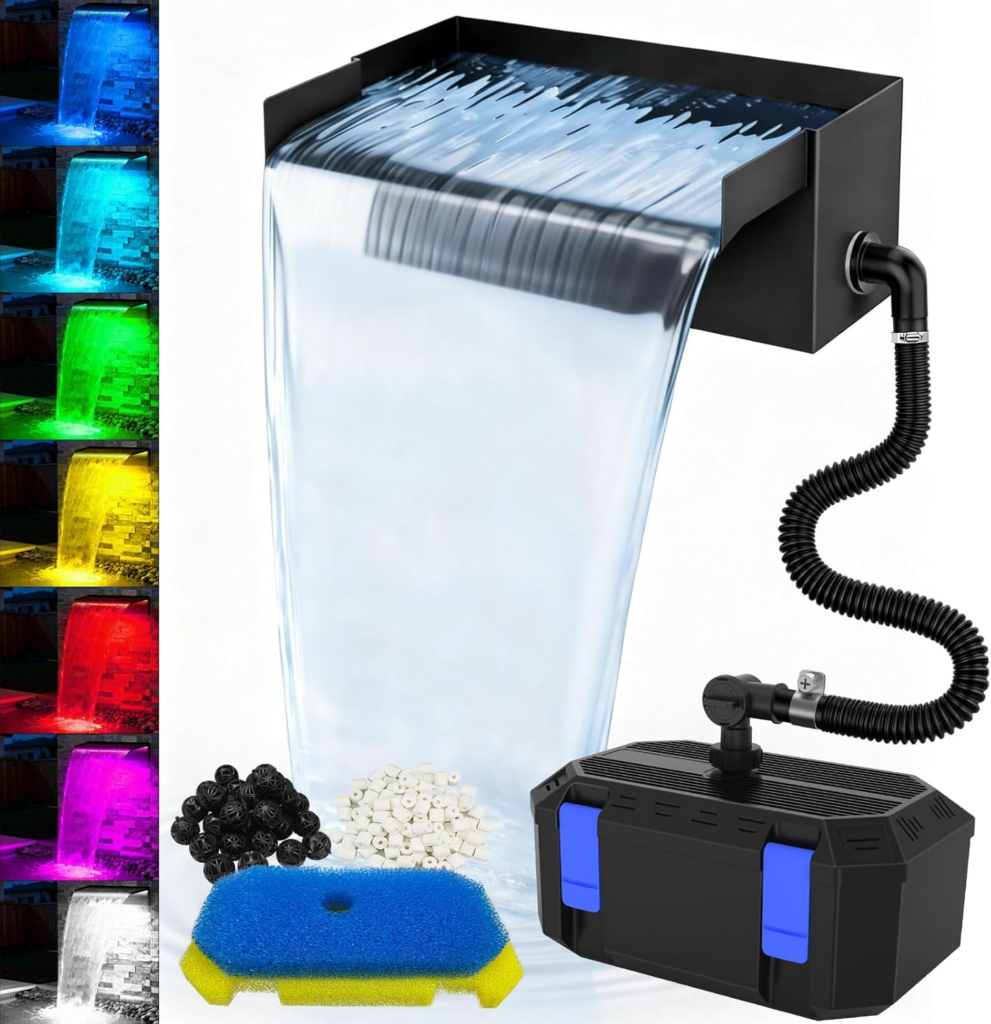

Around the edge, I plant flowers that enjoy moist soil. I often use:
- Iris
- Astilbe
- Cardinal flower
- Daylilies
These plants soften hard edges and add color without hiding the water. I keep taller blooms at the back and shorter ones near the front.
I also frame the area with low boxwood or neat perennials. This keeps the space tidy and prevents it from looking overgrown. When I design water features, I make sure nearby flowers do not drop too many petals into the water, which keeps maintenance simple.
Pathways with Blooming Borders
You can use a stone pathway, gravel path, or spaced stepping stones to lead visitors through the yard. A path gives structure and protects flower beds from foot traffic. Each depend on your budget and how much you are willing to spend. A path can be built very economically by using gravel or pebbles.
Along the edges, I plant low to medium-height flowers. Good options include:
- Lavender
- Salvia
- Coreopsis
- Dianthus
I repeat the same plants along both sides to create a clean line. Repetition makes the design look planned, not random.
If I use gravel, I install edging to keep stones in place. Try to avoid plants that spread too fast and block the walkway. Clear borders make the path safe and easy to follow, especially at night or after rain.
Using Pergolas, Arbors, and Vertical Gardens
A pergola or arbor adds height to a flat yard. You can use these structures to support climbing plants and climbing flowers. They add that charm to a backyard that will allow your flowers to climb and fill the structure used.
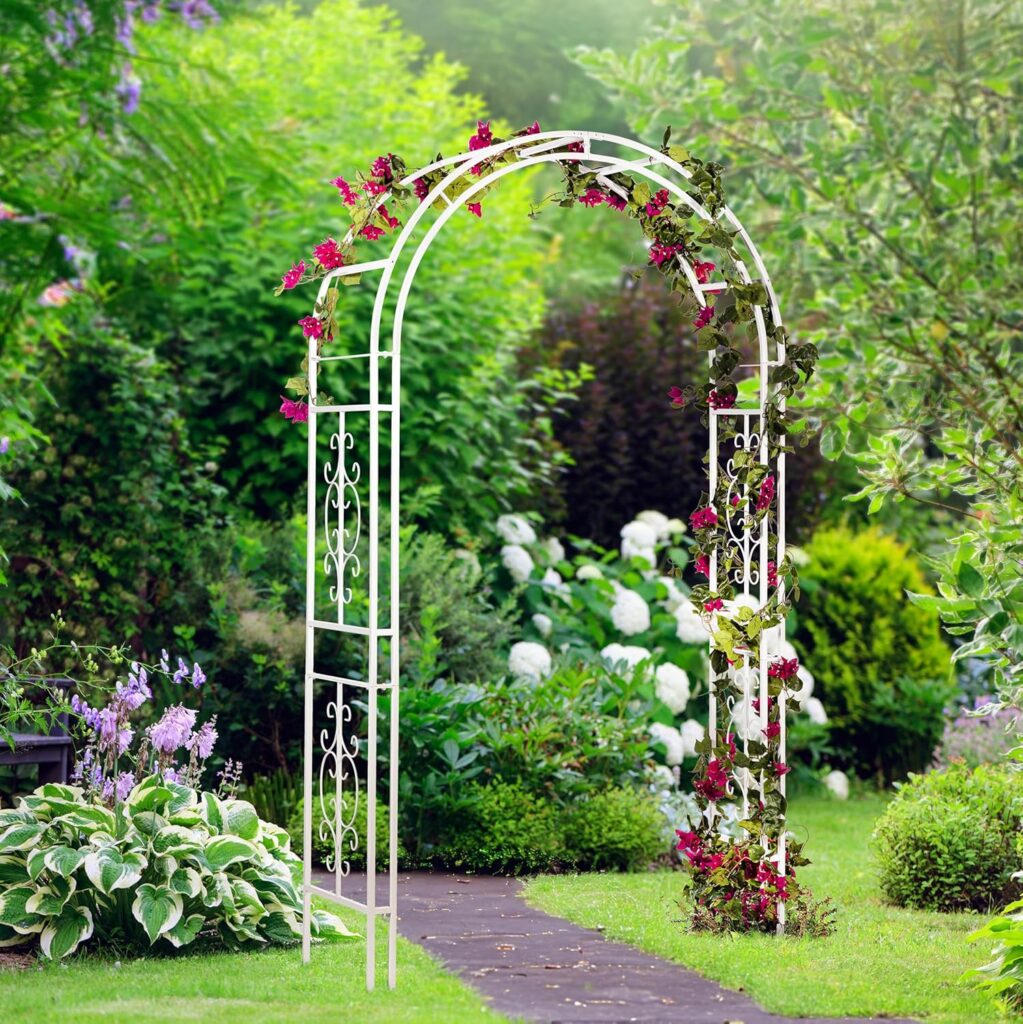
Popular choices include:
- Climbing roses
- Clematis
- Wisteria
- Trumpet vine
I train stems along posts and beams as they grow. This creates shade and frames seating areas without building solid walls.
For small yards, I’d recommend instralling vertical gardens on fences or walls. Mounted planters or pocket systems to grow petunias, herbs, or trailing vines. Vertical gardens free up ground space and add color at eye level. I secure all supports well, since wet soil adds weight.
Container Planting and Hanging Basket Displays
I use terracotta pots, ceramic containers, and raised planters to control color and placement. Containers let me move flowers as light changes through the season.
In sunny spots, I plant:
- Geraniums
- Petunias
- Zinnias
In shade, I choose:
- Begonias
- Impatiens
- Fuchsia
I group pots in odd numbers for a balanced look. I vary heights by placing some on stands or steps.
For overhead color, I install hanging baskets on hooks, pergolas, or porch beams. Trailing plants like calibrachoa or ivy spill over the sides and soften hard lines. I water baskets often, since soil in the air dries faster than ground beds.
Essential Tips for Maintenance and Seasonal Success
I focus on steady watering, healthy soil, and timely trimming to keep backyard flowers strong. I also adjust plant choices and care routines to match each season, which supports reliable seasonal blooms and reduces extra garden maintenance.
Drip Irrigation and Watering Techniques
I use drip irrigation to deliver water directly to the root zone. This method reduces waste and keeps leaves dry, which lowers the risk of fungal disease.
I place drip lines under mulch so water seeps slowly into the soil. Most flower beds need about 1 inch of water per week, either from rain or irrigation. I water early in the morning to limit evaporation.
For drought-tolerant plants and many native plants, I water deeply but less often. This encourages deeper roots and stronger growth. Shallow, frequent watering leads to weak roots and stressed plants.
If I do not use drip irrigation, I water at soil level with a soaker hose. I avoid overhead sprinklers for delicate blooms. Consistent watering supports full color and longer-lasting flowers.
Fertilizing, Mulching, and Soil Preparation
Healthy soil supports every part of garden maintenance. I start by loosening the top 8–12 inches of soil and mixing in compost before planting.
Compost improves drainage in heavy clay and helps sandy soil hold moisture. I test soil every few years to check pH and nutrient levels. Most flowering plants prefer slightly acidic to neutral soil.
I apply a balanced, slow-release fertilizer at planting time. During the growing season, I feed heavy bloomers like annuals every 4–6 weeks. I avoid overfeeding, which can cause excess leaf growth and fewer flowers.
I spread 2–3 inches of mulch around plants, keeping it a few inches away from stems. Mulch helps in several ways:
- Holds soil moisture
- Reduces weeds
- Regulates soil temperature
- Improves soil as it breaks down
Mulch also supports native plants and drought-tolerant plants by keeping root zones stable.
Pruning, Deadheading, and Garden Clean-Up
I prune to control shape, remove damaged growth, and improve air flow. Clean, sharp tools will prevent disease spread.
I deadhead spent blooms on annuals and many perennials. This simple step pushes plants to produce more flowers instead of setting seed. For plants like coneflowers or black-eyed Susans, I may leave some seed heads in late fall to feed birds.
I remove diseased leaves as soon as I see them. I do not compost infected material.
At the end of the season, I cut back perennials that die to the ground. For others, I wait until early spring to protect roots from winter cold. Regular clean-up keeps pests and diseases under control and prepares beds for the next round of seasonal blooms.
Adapting Plant Choices for Seasonal Blooms
When you plan your backyard flower garden, consider planning it with bloom times in mind. It is easily achievable by combining annuals and perennials so your different varieties and types of flowers will constantly bloom from early spring to late fall.
Spring and Fall Blooms
In spring, I rely on bulbs and cool-season flowers while in the summer, I plant heat-tolerant annuals and drought-tolerant plants that handle strong sun. When Fall arrives, I add late-blooming perennials and ornamental grasses for texture.
Native plants play a key role in my backyard flower garden design. Being inn Canada with a colder climate, they adapt well to local weather and often need less water and fertilizer. This lowers long-term garden maintenance. The snow melt in the Spring helps immensely with water early on.
Try to group plants by similar water and sunlight needs. This makes drip irrigation more efficient and reduces stress on roots. By matching plant choice to season and climate, I keep color consistent and care tasks manageable.
Frequently Asked Questions
I often see gardeners struggle with plant choice, bloom time, and layout. The right flowers and a clear plan make a backyard look full, balanced, and easy to manage. Here are some key questions, you may ask yourself before getting the best flowers for the backyard.
If you have any comments or thoughts regarding what you feel are the best flowers to decorate the backyard, we’d like to hear from you. Simply leave us a comment below. Hope you enjoyed the read and send us your photos of your backyard.
I do receive a commission at no cost to you from sales referred by our links. The commission received helps me and my team enhance our reviews and buying guides by acquiring some of the products to better serve you. Rest assured, we have carefully selected these products for their usefulness and quality.