
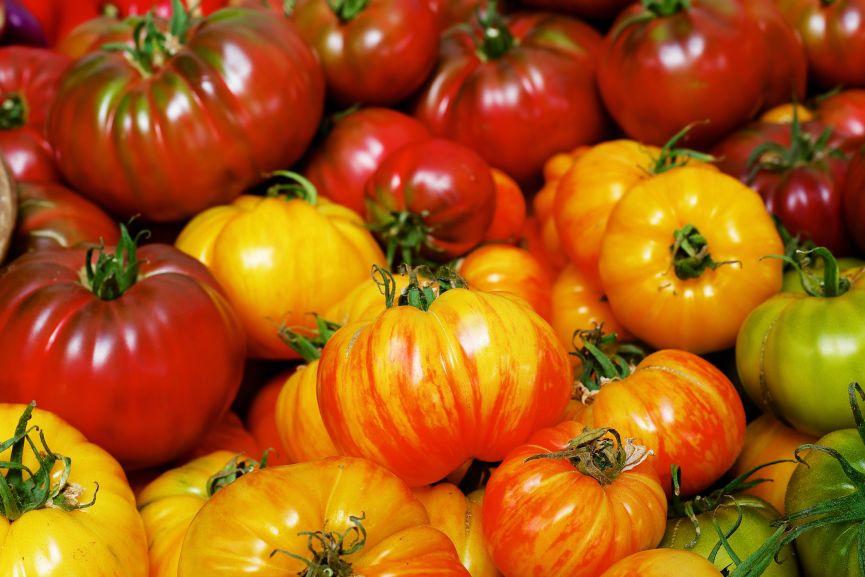
People garden for many reasons but one of the best one is the ability harvest tomatoes right off the vine. In ths guide, I will provide you the ultimate guide to growing your own tomatoes. Tomatoes will grow in a garden, raised bed, a planter or even a pot. In the early weeks of planting your tomato plants, you will get the anticipation and excitement. I always thought when growing tomatoes that summer has truly started. If you are like me, a tomato picked fresh from its vine taste much better than those at the store.
Growing your own tomatoes can be tricky and if you miss certain steps, it may make it much more difficult or you may end up with a different result.
Getting Started When Growing Your Own Tomatoes
Determine to Go With Hybrids or Heirlooms
Hybrids tomatoes have been bred for certain traits while heirlooms are older varieties. If you are just starting to grow tomatoes, it is not a bad idea to start with both types and go from there. You get to learn and see which type is easier, how they grow and the final result it gives you. After a few years you can branch out onto something more specific.
The hybrids are more resistant to pest and disease which will cut down on your challenges for growing healthy tomatoes. Some of the fun varieties to try out when figuring out how to grow tomatoes are:
- Better Boy;
- Pink Girl;
- Early Girl (if you have a short growing season)
- Cherokee Purple;
- Sun Gold; and
- Roma tomatoes.
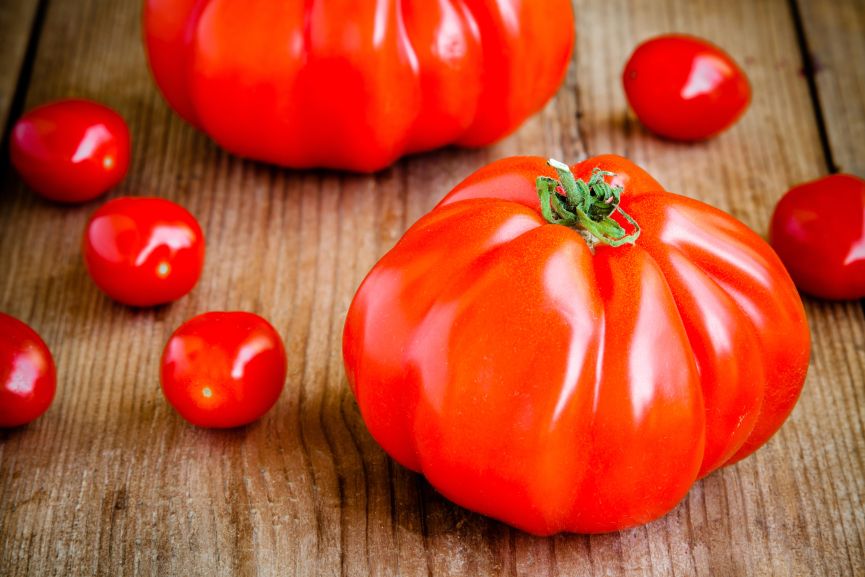
The Heirloom tomatoes have better taste for some reasons. In addition, the level of difficulty to grow heirlooms is relatively the same across all of their varieties. Easy and uniform care across the multiple varieties makes it more appealing and delicious too. Old-fashion heirloom tomatoes is probably easier for beginners growing tomatoes at home. Heirloom varieties like the Brandywine, Mortgage Lifter and the Cherokee purple are excellent varieties to start with.
Starting Indoor or Transplant
If you wish to start your tomato plants indoor that’s your choice. Make sure you have the space, the sun exposure and the equipment like seedling trays and pots. I recommend starting indoor with your own seeds if you are a little bit more experienced. If you are a beginner, start with tomato plant seedlings from the nursery and transplant them in your garden to get them started.
Indeterminate vs Determinate Tomatoes
The difference is quite simple but important to understand when you get started. Some varieties of tomatoes are referred to as indeterminate which means they grow like vines and will produce until the frost comes. They are large and they can get a little overwhelming if they don’t get the space and structure they need. Determinate varieties are more bushy in nature and more self-contained and generally produce tomatoes all at once.
Soil Preparation and the Process of Planting
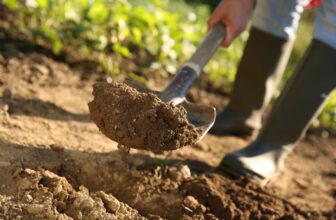
If you are planting tomatoes this year, one thing that is key is the soil must be fertile. I strongly recommend to add one to two inches of organic compost to your soil at the start of the season (Spring). When planting your tomatoes, I also recommend you plant your seedlings deeply. You want the bottom of the roots and even the first few shoots of leaves below ground level. The buried portion helps develop a stronger root system. Small plants require support, so don’t forget to bring some fresh soil near the plant.
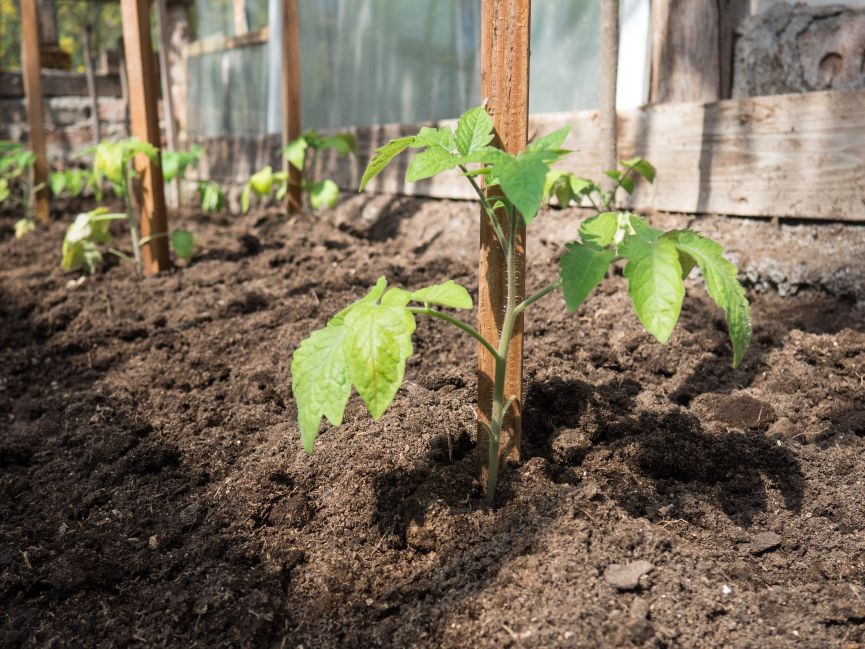
Tomatoe plants require a lot of sun, so when planting your seedlings make sure they get a lot of sunlight. They also require space as they grow, so ensure you spread them two to three feet apart. One thing many gardeners do not take into account when planting their tomato plants is the space they need. As they grow taller and taller, they take more space in volume. You may get more tomatoes from four sparse tomato plants than a dozen plants all overcrowding each other. Finally if you have been planting tomatoes before in your garden, change them around for location.
When to Plant Tomatoes
When yoiu plant will vary based on your geographic location. As a precautionnary measure, you will want to wait until the winter’s frost is over. Check your weather forecast website or on TV to see when it will be safe to plant them. Be conservative and do not risk or assume the frost is over. Check at least the 10-day forecast to be sure. If it hovers in the single digit temperature (in Celsius) or near tyhe 32 to 40-degree Farenheit at night, then it is still risky. All it needs is one cold night to ruin your tomato plants. The last frost date will depend again on where you are located geographically.
Moving your tomato plants outdoor in the garden is normally safe mid-May but again check your upcoming temperature to be safe. If you are more in the country, frost may appear where in the city it won’t so take that into account as well.
Staking Your Tomato Plants
First, I will start by saying that the first wild tomatoes didn’t grow on stakes. Staking tomato plants has its purpose nowadays. Gently fastening tomato plants to metal or wooden stakes is a good idea nonetheless. The tomato plants will grow straight and create more space between them. Having that space will result in more sun and rain exposure giving you better looking tomato. Keeping them fastened will save them from breaking when they reach their maximum height due to the weight of the plant and its fruit.
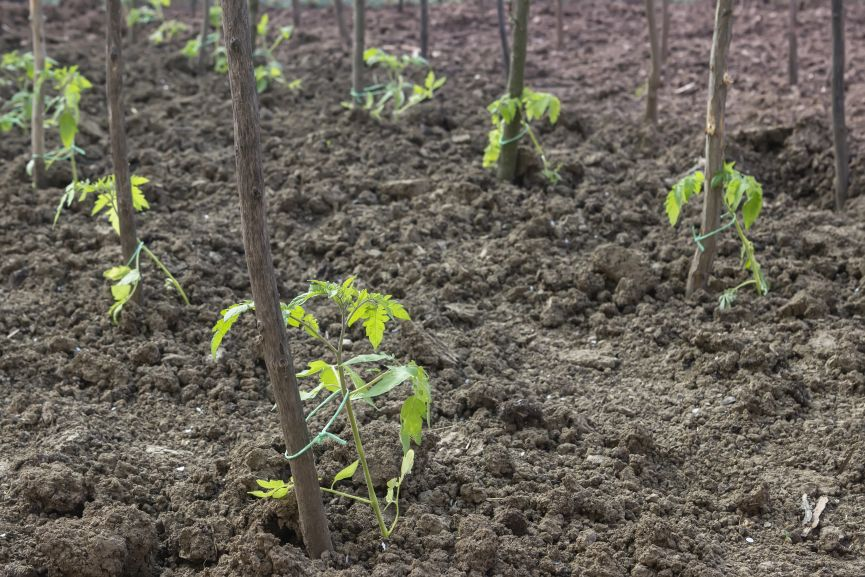
Staking tomato plants allow then to grow up instead of growing out. Unlike vines, tomato plants won’t naturally cling as they grow. Tomato plants need to be tied to the stake. Personally I used the Jute garden twine you can get at your local nursery or even on Amazon. It is relatively cheap, solid and efficient. Two years ago, I discovered the PGarden EZ Soft Twist Ties. They are fairly durable and made my life much easier to tie up my tomato plants. Regular oversight of your tomato plants staking is required as they grow. They will get taller and heavier and rely more and more on adjusting the stakes so they stay upright.
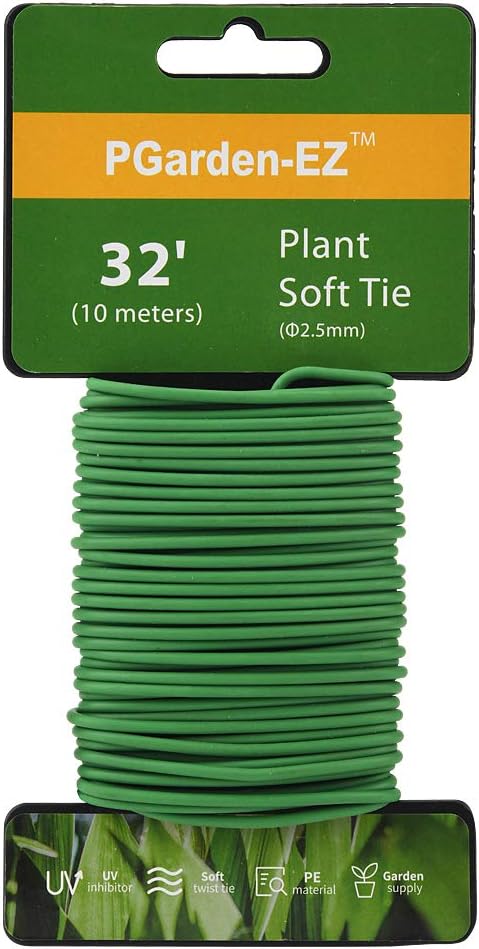
Some gardeners will even use cutout strips of an old cotton T-Shirts to tie their tomato plants. The cotton is soft and will not damage or cut into the stem of the tomato plants like a metal rod would.
I do use the metal wiring cages at the begiining when the tomato plants reach like 2 feet in length so they have that initial support. I do the transfer to the wooden stakes when the plant heights reach three feet in length.
Watering the Tomato Plants
One of the most common mistakes gardeners do, is overwatering their tomato plants. If you water well, then you don’t need to water often. Tomato plants will get also their water from the rain, which shouyld be taken into account. The secret is to give your plants a good soaking drink. For an average soil, all you need is once a week to give them that good ol’ soaking drink at the roots. Weather condition depending on your regions will also play a role on watering. If you are having a drought in you area, then the watering frequency will change obviously.
I recommend to water at the roots and not on the whole plant and its leaves. At the roots is where the tomato plant needs its water. If you have a drip irrigation system set up, it will work wonders for watering your tomato plants.
You shoulkd water at night (sunset) or very early in the morning (sunrise) when the sun is at its weakest strength. With less heat, the moisture is retained and less evaporation takes place. Watering the leaves of your tomato plants will not do anything and you will just wastre water. Concentrate on the roots and keep the foliage dry for better results.
Keep in mind that iif you have a sandy soil more frequent watering may be needed.
Maintaining Healthy Tomato Plants
One of the keys to keeping your tomato plants strong and healthy is making sure the soil has plenty of nutrients. As mentioned above, feed your soil with some organic compost before planting and during the season while growing around the base of the plant. The other tip for you is to consider companion planting. Two great tomatoes companion are basil and marigolds. Don’t just plant tomatoes by themselves. Surround them with marigold and insert some basil as well interspersed. A diverse garden will definitely give you more to harvest.
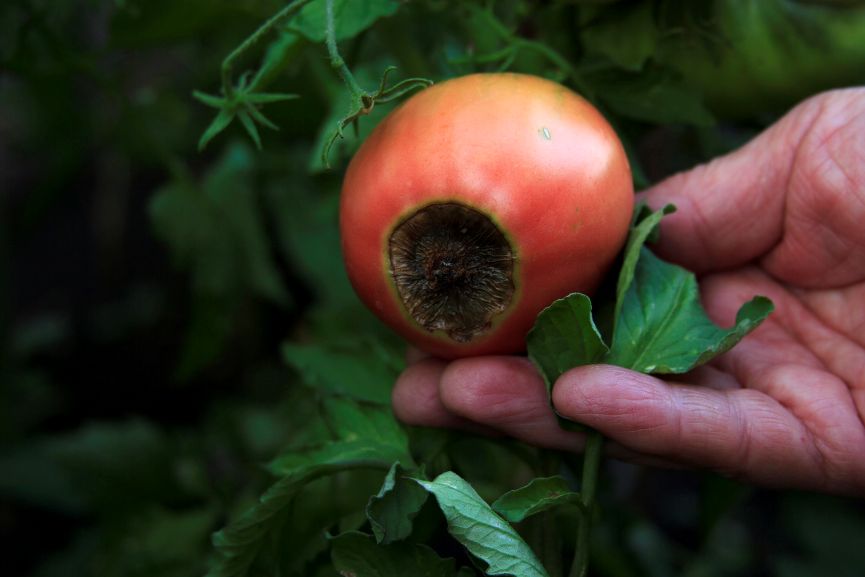
A common issue when you figure out how to grow tomatoes is blossom-end-rot. This is something that is hard to control, but they are ways to prevent it. The cause is an imbalance of calcium in the plant. How I fixed my personal issue with that imbalance is I add egg shells broken down in small pieces and spread them all o0ver the soil. I do it in the Spring, and in the Fall and occasionally add some between the plants in the Summer.
Protecting Your Tomato Plants
if you live in a region with a lots of wildlife, your tomato may be the feast of squirrels or deers visiting your garden. You will need to add some fencing high (like 6 to 8 feet is best) enough to deter deers. Avoid large spacing in your fence where squirrels won’t squeeze in there too. It is additional work, but it is well worth it if you want to harvest tomatoes. Insects are usually not an issue for tomato plants but keep an on the foliage. If you see Japanese beetles, you will need to set some traps. The other thing to watch for is fungus on your tomato plants’ leaves. If you see it on your leaves, get some fungicide from your local nursery or gardening store.
Pruning and Harvesting Your Tomato Plants
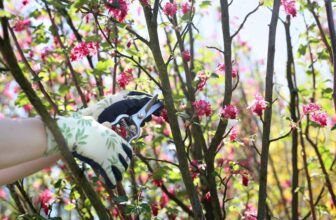
If your tomato plants gets unwieldly, you can porune them. Some people like to pinch off the suckers. On a tomato plant, you have a central stem and branches on either side. That space in-between is called the crotch. In the crotch, you will have a third branch and that is called the sucker. Trimmin it helps keep the plant more contained and the energy focused on the fruit. producing branches.
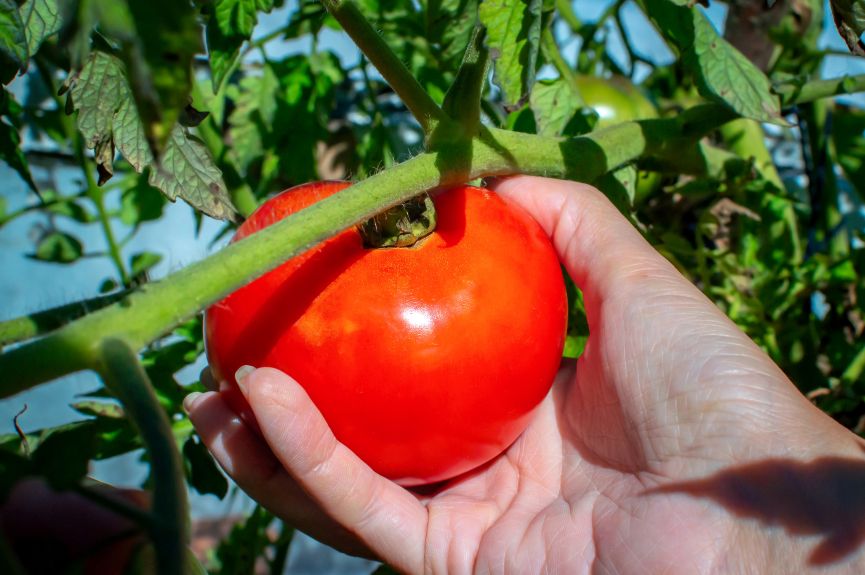
You have to make sure to let the tomato get to its right size and ripe on the plant. When your tomatoes are ripe remove them not by pulling down but by holding the tomato and tipping it upward to break the stem from the plant.
One recommendation I want to add is to keep your tomatoes out of the fridge to preserve their texture and flavor.
Conclusion
If you plant right, water right and keep the animals at bay, it shouldn’t be too hard to grow a nice, steady crop of bursting ripe tomatoes. Once you get them growing, if you can keep them relatively healthy they will produce great tomatoes for you
As usual, if you want to provide comments or feedback on growing your own tomato plants, we want to hear from you. Simply leave us word below.
I do receive a commission at no cost to you from sales referred by our links. The commission received helps me and my team enhance our reviews and buying guides by acquiring some of the products to better serve you. Rest assured, we have carefully selected these products for their usefulness and quality.