
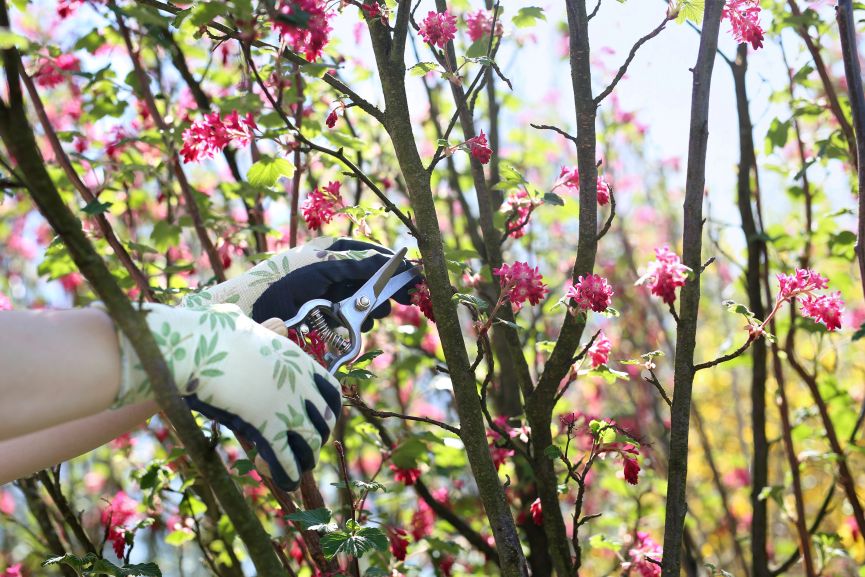
Spring brings warm weather and new growth to your garden. It also brings an important task to do: pruning your bushes. Many gardeners wonder which plants need cutting back now and which ones should be left alone until later in the year. Fall is another period for pruning but in this article I will focus on pruning bushes in the Spring only. This is an excellent time to see if your shears are up to the task. They may need some much needed sharpening or just plain replacement.
The key to successful spring pruning is knowing which plants bloom on old wood versus new wood, as this determines the right time to prune them. Spring-blooming shrubs like lilacs and forsythias should be pruned right after their flowers fade. Meanwhile, bushes that bloom in summer and fall need pruning in early spring before new growth starts. This includes butterfly bushes, roses, and certain perennials.
Getting your pruning timing right makes a big difference in how many flowers you’ll see this year. Prune at the wrong time and you might cut off all the flower buds your plant has been preparing. I’ll walk you through which bushes and perennials to prune now, which ones to skip, and the best techniques to keep your plants healthy and blooming.
Making yourself a littler checklist for your annual pruning will also guide you just fine.
Key Takeaways
- Prune summer and fall-blooming plants in early spring before new growth starts
- Spring-blooming shrubs should be pruned immediately after their flowers fade to avoid cutting off next year’s buds
- Use proper pruning techniques and timing to maximize blooms and maintain healthy plants throughout the growing season
Fundamentals of Pruning Your Bushes in the Spring – What You Should Know
Spring pruning removes dead or damaged growth and shapes plants for healthier development. The success of your pruning efforts depends on proper timing, technique, and knowing which plants benefit from cutting back versus which ones should wait until after they bloom.
Benefits of Pruning Your Bushes in the Spring
I find that spring pruning offers multiple advantages for your garden’s health and appearance. Removing deadwood and damaged branches prevents disease from spreading to healthy parts of the plant. This cleanup also improves air circulation through dense shrubs, which reduces fungal problems during humid weather.
Cutting back perennials and certain shrubs in early spring encourages stronger, more compact growth. Mediterranean plants like lavender and rosemary respond well to hard pruning before new growth begins. This prevents them from developing thick, woody stems that produce fewer flowers.
Key benefits include:
- Removal of winter damage and dead material
- Stimulation of vigorous new growth
- Better plant shape and structure
- Prevention of disease spread
- Increased flower production on summer-blooming plants
Risks and Common Pruning Mistakes
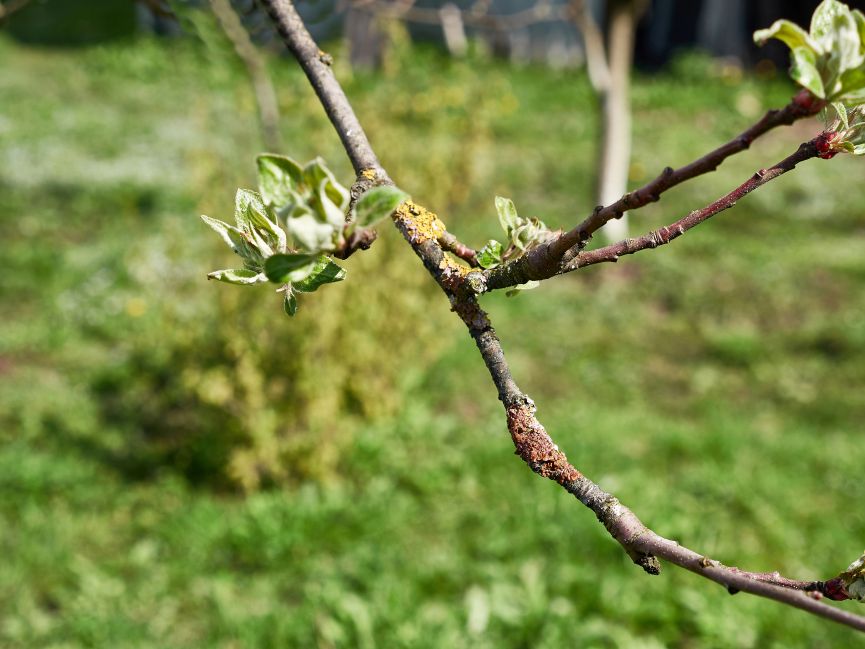
The biggest mistake I see is pruning spring-flowering shrubs too early. Plants like forsythia, lilac, and quince set their flower buds the previous year. Cutting them in early spring removes all the blooms you’ve been waiting for.
Common errors to avoid:
- Cutting spring bloomers before they flower
- Removing too much growth at once
- Using dull or dirty tools that damage plants
- Pruning during frost periods
- Ignoring the natural shape of the plant
I always check when a plant blooms before making any cuts. Spring-flowering shrubs need pruning right after their flowers fade, not before. Summer bloomers can handle early spring pruning without losing their display.
When to Prune: Timing and Weather Considerations
Timing matters more than most people realize. I prune my summer-blooming plants in early Spring before new growth starts. This gives them the full growing season to develop flower buds on new wood.
For spring-flowering shrubs, I wait until their blooms finish. The end of their flowering cycle signals the right pruning window. This lets me enjoy the flowers while still shaping the plant for next year. I usually think of my lilac trees and rohododendrons flowering in in May to June as the perfect examples.
Thanks to the University of Minnesota for their valuable contribution
Weather plays a role too. I avoid pruning when frost is still possible, as fresh cuts make plants vulnerable to cold damage. Wait until temperatures stay consistently above freezing at night. I also skip pruning on very wet days since moisture can spread disease through open cuts.
Types of Bushes to Prune in the Spring
Spring pruning works best for bushes that bloom in summer, while spring-blooming shrubs need a different approach. Knowing which bushes to cut and which to leave alone protects your flowers and keeps your garden healthy.
Identifying Summer-Blooming Shrubs
Summer-blooming shrubs are the best candidates for spring pruning. These bushes form their flowers on new wood that grows during the current season. I recommend pruning them before new growth starts in early spring.
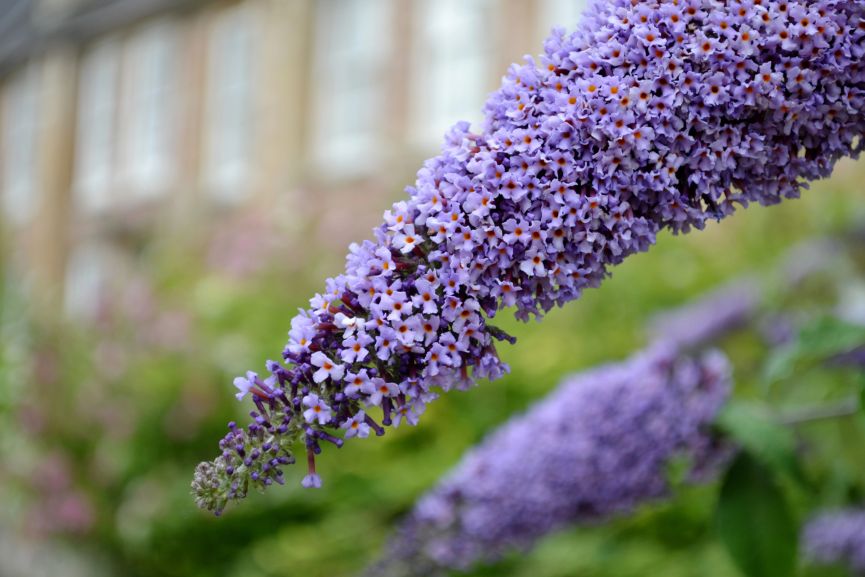
Common summer-blooming shrubs to prune in spring:
- Butterfly bush
- Panicle hydrangea
- Smooth hydrangea
- Rose of Sharon
- Beautyberry
Panicle hydrangeas respond well to light pruning from the top in early spring. Butterfly bush benefits from cutting back old stems before new shoots appear. These shrubs have enough time to grow fresh branches and produce abundant blooms by summer.
The timing matters because you’re removing last year’s growth before the plant puts energy into new stems. This helps the bush focus its resources on creating strong, flower-producing branches.
Bushes to Avoid Pruning in Spring
Spring-blooming shrubs set their flower buds on old wood from the previous year. If I prune these bushes in spring, I cut off the season’s flowers before they open.
What not to prune in spring:
- Forsythia
- Lilac
- Camellia
- Azalea
- Rhododendron
- Witch hazel
- Mahonia
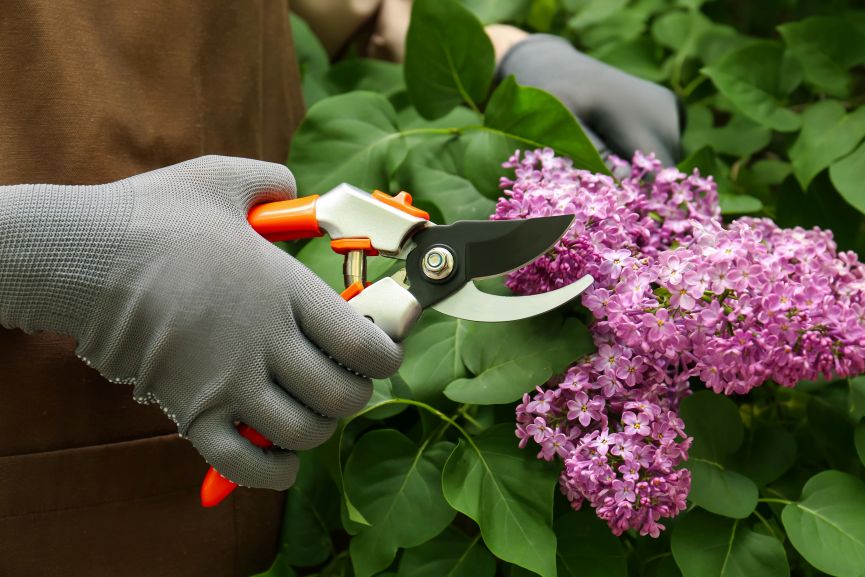
Wait until right after these bushes finish blooming to prune them. This gives the plant the rest of spring and all summer to develop new growth that will carry next year’s flowers. Lilacs need pruning in late spring or early summer, immediately after their blooms fade.
One-Third Rule and Pruning Techniques
I follow the one-third rule when pruning bushes in the Spring season. This means removing no more than one-third of the plant’s total height or branches in a single session.
Start by cutting out dead, damaged, or diseased wood. Remove crossing branches that rub against each other. Then shape the bush by trimming back the remaining stems.
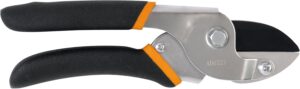
Use sharp, clean pruning shears for branches under three-quarters of an inch thick. I would recommend any pruning shears by Fiskars. They are very reliable, comfortable and affordable. For larger branches you will need a reliable pruning saw. Make cuts at a 45-degree angle just above an outward-facing bud.
Light pruning works when you’re unsure about a bush’s bloom time. This approach removes minimal growth while still maintaining the plant’s shape and health.
Essential Perennials to Prune in the Spring
Spring pruning helps perennials grow stronger and produce more blooms throughout the season. I focus on cutting back plants that have been left standing over winter and those that need shaping to encourage fresh growth.
Perennials That Benefit Most from Spring Pruning
I always start with ornamental grasses like miscanthus and fountain grass. These plants should be cut down to about 3-4 inches from the ground before new shoots appear.
Lavender needs spring attention to stay healthy. I trim back about one-third of the plant, removing old woody stems while being careful not to cut into bare wood. This keeps the plant compact and encourages new flowering stems.
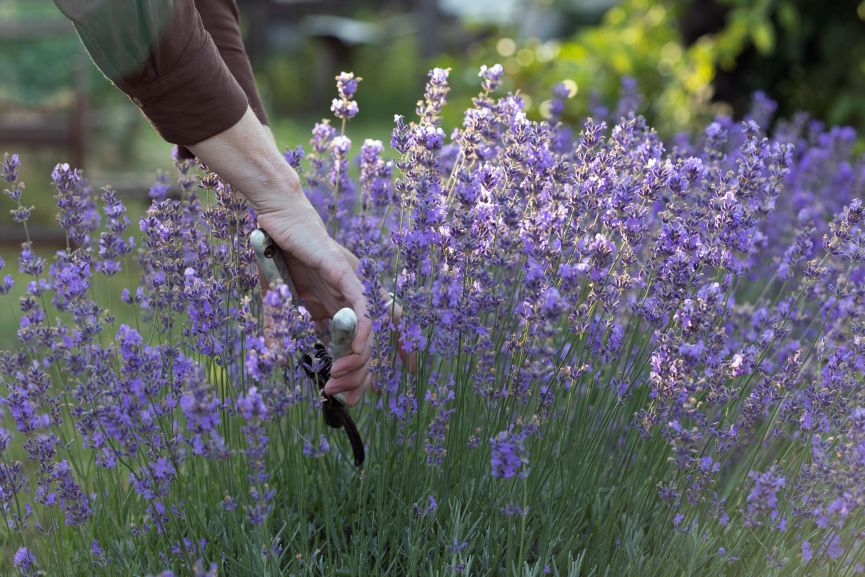
Sedum and other late-blooming perennials perform better when I cut back their dead stems in early spring. I remove all the previous year’s growth down to where new shoots are emerging at the base.
Catmint, salvia, and other herbaceous perennials also make my spring pruning list. These plants benefit from having last year’s stems removed completely. Lemon balm grows back vigorously and needs a good trim before its early spring growth takes off.
Winter-flowering plants like hellebores need different timing. I wait until after they finish blooming to remove old damaged leaves.
How to Cut Back Herbaceous Perennials
I use clean, sharp pruning shears for all my cuts. Dirty tools can spread disease between plants.
For most herbaceous perennials, I cut stems down to just above the new growth at the base. I look for small green shoots emerging from the crown and make my cuts about 2-3 inches above them.
I remove all dead foliage and stems completely. This prevents disease and pest problems from carrying over into the new season. Dead material should go into the trash, not the compost pile, if it shows any signs of disease.
When cutting ornamental grasses, I bundle the stems together with twine first. This makes the job easier and cleaner. I then make one clean cut across the entire clump.
Post-Winter Care for Perennials
After pruning, I clear away all debris from around the plant base. Old leaves and stems can harbor insects and fungal spores that damage new growth.
I apply a 2-3 inch layer of compost around pruned perennials. This feeds the soil as plants start their active growing phase. I keep the compost a few inches away from stems to prevent rot.
Spring is when I divide overcrowded perennials. Plants like hostas, daylilies, and asters benefit from division every 3-4 years. I dig up the clump, split it into sections with roots attached, and replant the divisions.
I water newly pruned perennials thoroughly if spring rains are lacking. This helps them recover from pruning stress and supports new shoot development.
How to Prune Common Flowering Shrubs in Spring
Summer-blooming shrubs need spring pruning to encourage strong growth and abundant flowers. I focus on cutting back these plants before new growth starts, which gives them time to develop healthy stems that will produce blooms later in the season.
Pruning Butterfly Bush
I cut butterfly bush stems down to 12 inches from the ground in early spring. This might seem extreme, but butterfly bush blooms on new wood that grows during the current season.
I use sharp pruning shears to make clean cuts just above a set of healthy buds. The plant will send up fresh shoots that produce flowers from summer through fall.
Dead or damaged stems get removed completely at ground level. I also thin out any crossing branches to improve air circulation.
For established plants, I remove about one-third of the oldest stems each year. This keeps the plant vigorous and prevents it from becoming too woody.
Pruning Potentilla and Bluebeard
Potentilla needs light pruning in spring to maintain its shape. I trim back the tips of branches by one-third to encourage bushy growth and more flower buds.
I remove dead wood and any stems that look weak or diseased. Older potentilla plants benefit from rejuvenation pruning where I cut one-quarter of the oldest stems to ground level.
Bluebeard requires harder pruning since it blooms on new wood. I cut all stems back to 4-6 inches from the ground in early spring before leaves appear.
Both plants respond well to this spring pruning and will produce flowers on the current season’s growth. I make all cuts at a slight angle just above an outward-facing bud.
Pruning St. John’s Wort and Spirea
St. John’s Wort gets cut back by half its height in early spring. I remove winter-damaged stems completely and thin out crowded growth in the center of the plant.
Summer-blooming spirea varieties need pruning in early spring before new growth begins. I cut back the entire plant by one-third to one-half.
I use sharp pruning shears to make clean cuts that heal quickly. Dead flower clusters from last season get removed along with any broken branches.
Spring-blooming spirea follows different rules and should not be pruned now. Those varieties bloom on old wood and need pruning right after flowering ends.
For both plants, I shape them into a natural rounded form rather than shearing them into geometric shapes.
How to Prune Roses and Rose of Sharon in Spring
Spring pruning sets up both shrub roses and rose of Sharon for healthy growth and abundant blooms. I focus on timing and technique to get the best results from these popular flowering shrubs.
Pruning Shrub Roses
I prune shrub roses in early spring when the buds start to swell but before new growth fully emerges. This timing helps me avoid frost damage while giving the plant maximum time to develop new flowering branches.
I start by removing any dead, diseased, or damaged wood. I cut these branches back to healthy tissue where the interior is white or green. I also remove any branches that cross or rub against each other to improve air circulation.
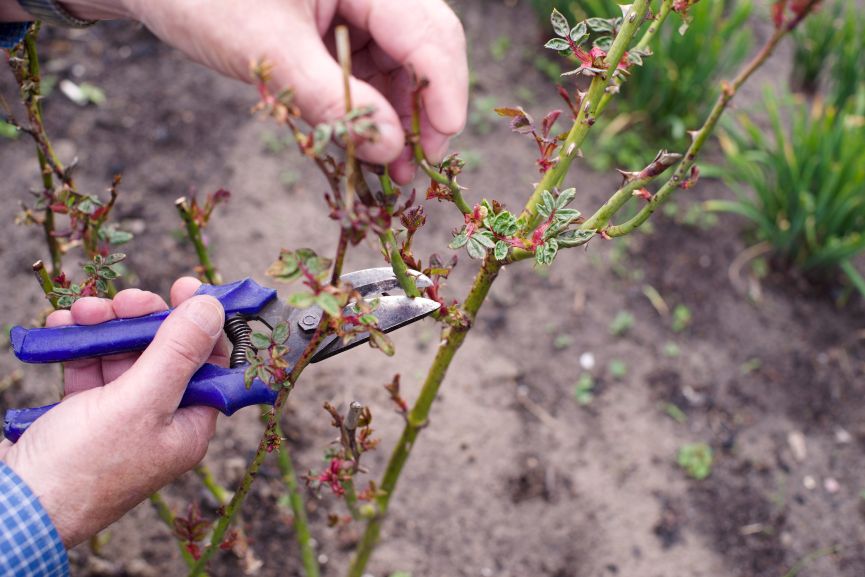
For shaping, I cut back the main stems by about one-third of their height. I make each cut at a 45-degree angle about 1/4 inch above an outward-facing bud. This encourages the plant to grow outward rather than into the center.
I thin out crowded areas by removing some of the older canes entirely at ground level. This opens up the center of the shrub and allows light to reach all parts of the plant.
Best Time to Prune Rose of Sharon
I prune rose of Sharon in late winter or early spring before new growth begins. This shrub blooms on new wood, which means flowers form on the current year’s growth.
Pruning at this time gives me several advantages. I avoid cutting off flower buds since they haven’t formed yet. The plant also has the full growing season to produce new branches that will bloom in summer.
I can prune rose of Sharon hard without worrying about damaging it. The shrub tolerates aggressive pruning better than most flowering plants. I remove up to one-third of the oldest branches at ground level each year to keep the plant vigorous.
Maintaining Rose Health and Shape
I focus on creating an open structure that allows air and light to reach all parts of both roses and rose of Sharon. This reduces disease problems and promotes even blooming throughout the plant.
For roses, I maintain a vase shape by keeping the center open. I remove thin or weak growth that won’t support good flowers. Stems thinner than a pencil usually don’t produce quality blooms.
With rose of Sharon, I control the size and shape based on my landscape needs. I can keep it compact by cutting branches back to the desired height, or I can let it grow larger by doing minimal pruning.
I always use clean, sharp pruning shears to make smooth cuts. I disinfect my tools between plants to prevent spreading diseases.
Techniques for Pruning Perennials and Flowers in Spring
Spring pruning keeps perennials healthy and helps them produce more blooms. The right tools and techniques make the job easier and protect your plants from damage.
Essential Pruning Tools and Clean-Up
I always start with sharp pruning shears because clean cuts heal faster and reduce disease risk. Dull blades crush plant stems instead of cutting them cleanly.
Small hand pruners work well for most perennials and flowers. I keep a pair of bypass pruners for live stems and anvil pruners for dead growth. Before I start cutting, I wipe down my blades with rubbing alcohol to prevent spreading disease between plants.
 |  |
|---|
I remove dead foliage from peonies, hostas, and daylilies first. These plants die back completely in winter and need manual removal in spring. Dead plant material attracts fungal diseases and puts extra stress on new growth.
I also keep a bucket or tarp nearby for collecting debris. This makes cleanup faster and keeps the garden tidy while I work.
Cutting Back Flowering Perennials
I cut back different perennials at different times based on when they bloom. Spring bloomers get pruned after they finish flowering. Summer bloomers get cut back in early spring before new growth starts.
For most perennials, I cut stems down to about 3-4 inches above the ground. This removes old growth while leaving enough stem to protect the crown.
Deadheading means removing spent flowers before they form seeds. I deadhead throughout the growing season to encourage more blooms. I cut just below the faded flower, above the next set of leaves or buds.
I leave some perennials alone in spring. Early bloomers like hellebores and primrose should not be pruned until after they flower.
Shaping and Pinching Techniques
Pinching controls plant height and creates bushier growth. I pinch back stems by removing the top 1-2 inches of new growth with my fingers or shears.
I pinch plants like mums, asters, and sedums in late spring when they reach 6 inches tall. This technique delays flowering slightly but produces more blooms on a fuller plant.
For shaping, I cut back leggy stems to maintain a compact form. I make cuts just above a leaf node or bud facing the direction I want new growth to go. Outward-facing buds create an open, spreading shape.
I repeat pinching every 2-3 weeks until mid-summer. After that, I stop pinching to allow flower buds to form for fall blooms.
What Not to Prune in Spring and Avoiding Common Pitfalls
Certain plants need to be left untouched during spring pruning sessions to protect their blooms and health. Spring-flowering shrubs bloom on old wood, meaning the flower buds formed last season, and cutting them back now removes this year’s display.
Spring-Blooming Shrubs to Leave Alone
I never prune lilacs, forsythia, or azaleas in early spring before they flower. These shrubs develop their flower buds on the previous year’s growth, so spring pruning removes the blooms you’ve been waiting for all winter.
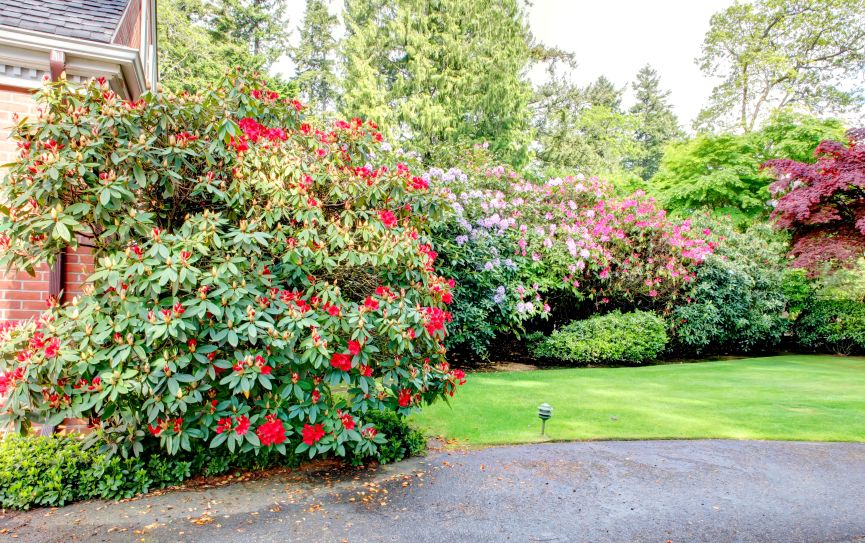
Wait to prune these spring bloomers until after flowering:
- Lilac
- Forsythia
- Azalea
- Weigela
- Viburnum
- Rhododendron
- Flowering quince
Weigela shrubs specifically need pruning right after their flowers fade in late spring or early summer. This timing allows the plant to direct energy into new growth that will bloom next spring. The same rule applies to lilacs and forsythia.
I find that pruning these plants immediately after flowering gives them the entire growing season to develop new wood and set buds for next year. If you prune them in early spring, you’ll have to wait an entire year to see blooms again.
Protecting Early-Blooming Bulbs and Grasses
I leave spring bulb foliage alone until it turns yellow and dies back naturally. The green leaves produce food that the bulb stores for next year’s growth and flowers.
Cutting back ornamental grasses too early removes their natural winter protection. I wait until late spring to trim them, watching for new green shoots at the base before removing old growth.
Important rules for bulbs and grasses:
- Let daffodil and tulip leaves remain for at least six weeks after blooming
- Don’t tie or braid bulb foliage while it’s still green
- Cut ornamental grasses back when new growth appears at the base
- Remove only dead or damaged grass blades before late spring
Preventing Pruning Stress and Damage
I avoid pruning any plant when it’s actively pushing out new growth or developing flower buds. Cutting during these vulnerable periods wastes the plant’s stored energy and creates entry points for disease.
The biggest mistake I see is pruning too much at once. Removing more than one-third of a plant’s growth stresses it severely and can kill it. I use sharp, clean tools to make precise cuts that heal quickly.
Common pruning mistakes to avoid:
- Cutting branches flush to the trunk instead of leaving the branch collar
- Using dull or dirty pruning tools that crush stems
- Pruning during wet weather when diseases spread easily
- Making cuts in the wrong location or at the wrong angle
I always step back and assess before making each cut. If I’m unsure whether a plant blooms on old or new wood, I wait and observe its flowering pattern before pruning.
Frequently Asked Questions on Spring Pruning
Spring pruning decisions depend on when your plants bloom and how they grow. Getting the timing right protects your flowers and keeps plants healthy. I have compilated a few frequently asked questions I hear frequently on pruning bushes in the Spring. Below are a few for your information.
My Final Thoughts
I put a lot of importance in pruning flowers and shrubs in the Spring. With the current weather warming up, it may be tempting to go and get a head start on pruning. Know the plants that you can prune especially after the frost where the risk of damaging your branches or stems is less likely. Certain bushes and trees like the lilac will do much better if they are pruned after blooming.
Follow the advice and tips I have listed above. I would recommend doing your self a little chacklist if you have multiple varieties of perennials and shrubs. Remember the m,ain indicator or rule of thumb is to prune after they bloom. Some plants can be pruned in the Fall but many of them are in the Spring which will promote more growth and avoid potential fungal disease.
I hope you enjoyed this post and as usual if have any comments or feedbacks please share with us and the rest of the community. We certainly want to hear from you. If you have questions or you are not certain on what to prune and when leave us a word.
I do receive a commission at no cost to you from sales referred by our links. The commission received helps me and my team enhance our reviews and buying guides by acquiring some of the products to better serve you. Rest assured, we have carefully selected these products for their usefulness and quality.