
OIt has been a few months that Winter has been keeping your garden still and dormant. So it is normal after a few months to be anxious and get your green thumb in action and start your garden. But before you pull on your garden gloves, clean your shears and take your rakes out, I thought you’d want know what are the signs of when to start planting a garden.
Too early can be detrimental to plantts and too late you may miss on valuable harvesting.
Look for the Last frost Date of When to Start Planting a Garden
The last frost date is different for many of us. I am located in Canada so my last frost date to start planting in a garden will be different than someone living in a warmer climate. Areas like the midwest of the United States or someone on the Westcast of British Columbia have a different last frost date. All the regions are different with regards to the last frost date. Some regions don’t even have one. I am sure folks living in San Diego or near Miami don’t have one to worry about.
For the United States, the cooperative extension service in your area that is linked to your state’s land university tracks gtrack the first and last frost dates annually in order to determine and pinpoint an average day for both {first and last date). The average first and last date are only an estimate and should not be taken for granted.
Regions and Zones
The USDA Plant Hardiness Zone map divides regions into different zones. It starts from Zone 1a (coldest zone with extreme lows of -55 degrees Farenheit to -60 degrees farenheit) to Zone 13b being the warmest region with low temperatures ranging from 65 degress farenheit to 70 degrees Farenheit
In Canada, the Old Farmer’s Almanac is always a great reference. Another referrence to check out is ClimateData.ca. Mother Nature has always the last say on the last frost date. Regardless, those date are your key indicators of when to plant in your garden.
The Canada Plant Hardiness Zones are presented similarly to the USDA but with some minor differences such as:
- weather patterns;
- soil conditions; and
- local variations.
Below you can see the frost map from the Old farmer’s Almancac for the entire North America.
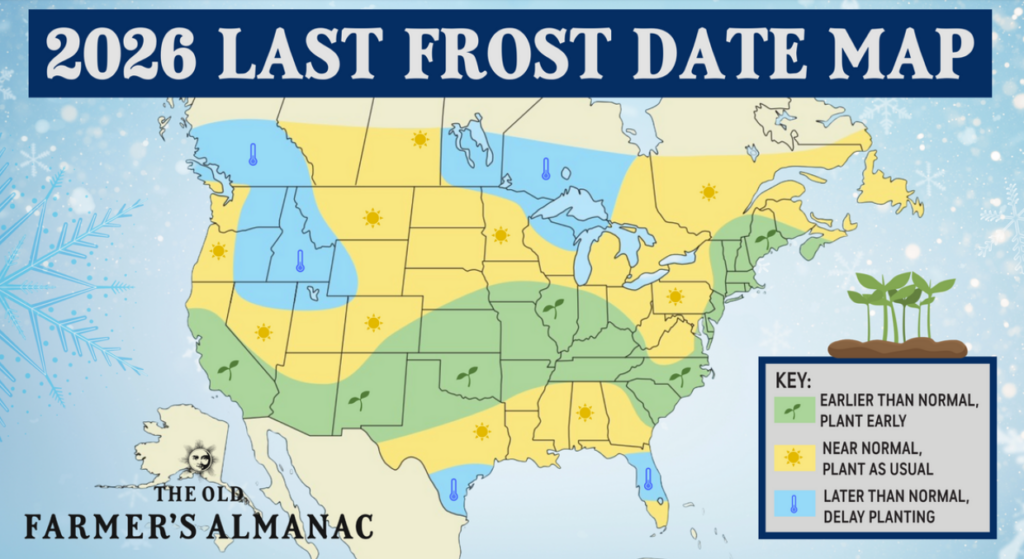
Thanks for the Old Almanac’s Contribution particularly for his map
First Fall Frost Date and Last Spring Frost Date
You can further deep-dive the approximate date for your region and even your city or town. In my case, May 13th 2026 is my last frost date. Keep in mind the last frost date is only an average and frost may occur the last frost date. Check your local weather a few days after and if there is a warning of frost, be ready to temporarirly cover your plants that are most vulnerable to frost.

Most sites will give you the first Fall frost date, the last Spring frost date and how many growing days you have. It is important to understand all three:
First Fall Growing Date: This is the estimated first frost date for your region. You may still leave some hardy vegetable crops in the ground but keep in mind it marks the estimated end of your main summer growing season.
Last Spring Frost Date: This is the estimated date where your last average frost is set atbased on your region. It marks the start of your growing season. Planting the wrong type of vegetable crops, flowers or perennials before this date exposes you to possible colder temperatures and frost damage.
Growing Season: I call this the safe season. It is the period between the last Spring frost date and the first Fall frost date. It determines how long you can grow certain crops and get a harvest before the plant dies. The growing season is important to plan your planting season for each type of crops.
What Can I Plant Before the Last Frost Date
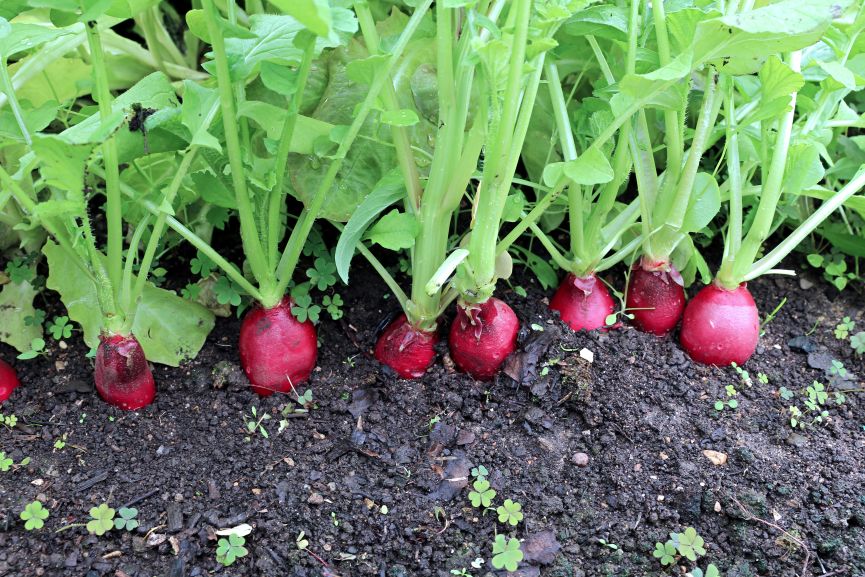
Cool weather for hardy crops can tolerate a light frost and can be planted before your last frost date. You can plant the following safely:
- spinach;
- peas
- radishes;
- carrots;
- onions; and
- lettuce
Why Spring Last Frost Dates is Important to Know
Knowing your last dates is important to know because it will incite you in:
- Knowing when to start your seed indoor
- Safely do your transplant at the right time in your garden
- Timing your planting outdoor for vegetables not as hardy such as:
- Tomatoes;
- Cucumbers;
- Peppers;
- Basil;
- Zinnias and marigolds to keep good companionship to your vegetables
Soil You Can Work With
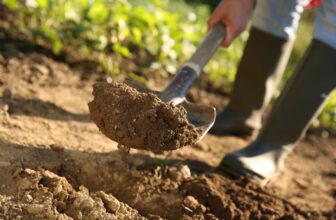
I wrote an article on preparing your garden soil this week and this sign fits perfectly with it. In many areas of the United States and Canada, the ground in the Spring is frozen or soggy from thawing and the snow melting. You want to check for the soil to have thawed and dried enough. You are looking for a soil that can crumble nicely in your hand.
Once you get a soil that can crumble with no signs of sogginess, start working the soil by aerating it and cleaning any debris or rocks. Some plants can go in as soon as the soil has been worked. At this point, a light frost overnight will not freeze the ground.
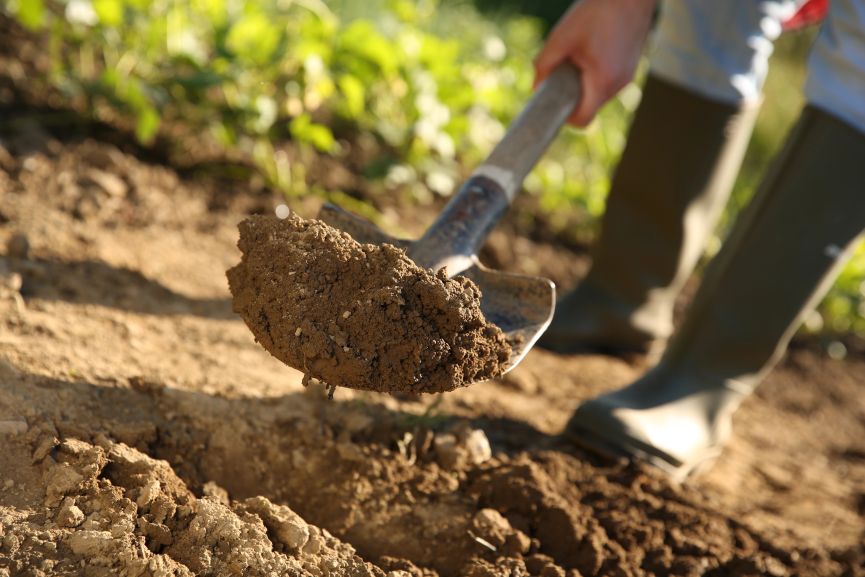
For me in Canada, the ground can freeze 4-feet deep, so I must wait longer for the soil to be ready. I ususually look at the mid to end April window to start getting the soil ready.
This is also an important part to check on your home grown compost if you have one. Like soil the compost needs to thaw as well so you can apply a nice layer over your soil.
Nighttime Rising Temperatures
Even when some of the days are warming up, overnight temperatures can still drop to colder temperatures. As mentioned earlier, certain vegetables can tolerate the cooler temperatures. Temperatures may be warm daytime but are still subject to plunge in the high 30s to low 40s for the United States or for Canada in the single digit for Celsius. Vegetables and herbs requiring requiring warm temperatures and warmer soil may not survive or do well in those cases.
The colder tolerant vegetables can be planted when the temperatures stay above 45 degrees Farenheit and 8 degrees Celsius.
Sunlight Hours Increasing Daily
One of the best ways to notice that sign is to observe your garden beds in the morning and evening. Look when sunlight starts and stops shining on them. Leafy plants such as greens and most herbs need about 6 to 8 hours of sunlight a day to grow and be productive. Certain vegetable plants such as tomato and cucumber plants require over ten hours of daylight when hitting the peak growing season.
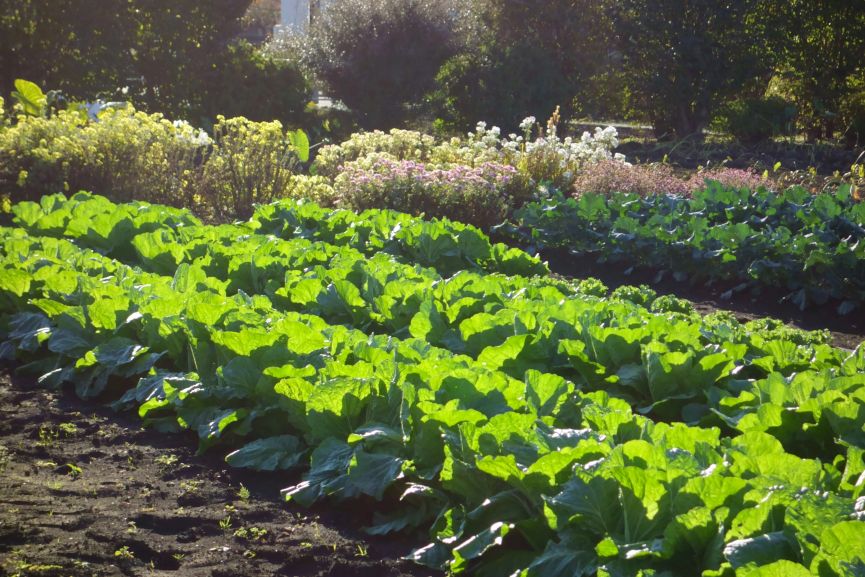
When planning your garden, build your plan around the sunlight hours during the day so you know when to plant or transplant resulting in the plants getting the right amount of sunlight hours at the right time in their growth.
Nature Clues
First, I’d like to say that phenology is the study of the timing and cyclical patterns of events in the natural world.
Now taking that definition as context, I can introduce the next sign of when to start planting a garden. These phenomena have become the source of tried and true folk wisdom that can help you determine when to plant your garden.
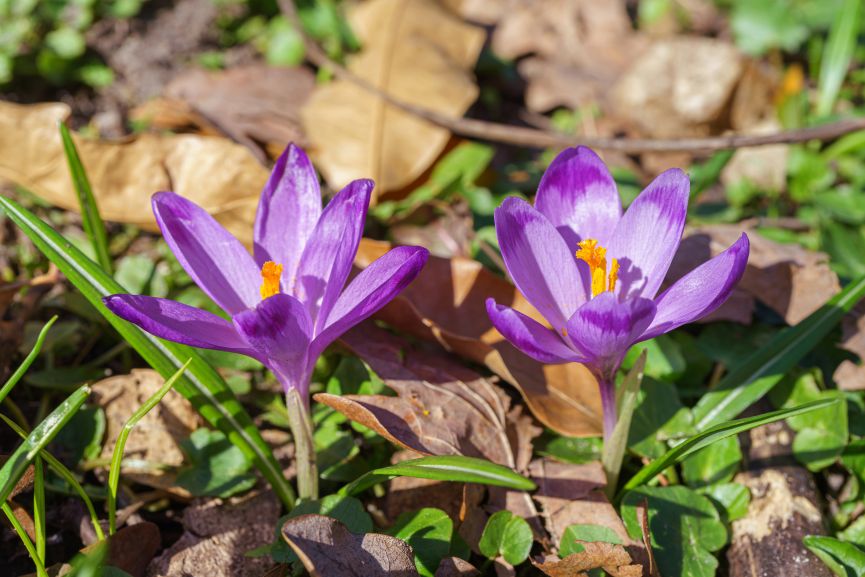
One great example I can say is to start planting your radishes and more tolerant greens seeds when your crocuses or dadfodils are starting to show up. Plant vegetables such as peas, onion sets and lettuce after you notice forsythias flowering. Wait until the dadfodils are fully bloomed to plant your vegetables half-hardy like beets, carrots and chard.
Plant your potatoes after the dandelions have started to bloom and start your bush beans after the apple trees have started to bloom. Finally move the tomato start plants when lilies-of the valley flower but wait until the bearded irises open for planting peppers and eggplant.
Overcast Days
We keep talking about the need of sunlight but planting your vegetables in the garden kin the Spring is best during overcast days with a sprinkle of rain. It helps the transplants to settle in start drawing the moisture through their roots before the sunlight start beaming down on them. Watch the weather channel in your local area to circle an overcast with a light drizzle day day to plant your future crops.
Guidance on Seeds
Read your little packets of seeds when planning your planting. Each seed packet contain valuable information as to when to plant certain seeds and how much sunl;ight is required. Each packet will contain the amount of sunlight a particular crop needs, the spacing between rows, depth of seeds and much more. For those who planted bulbs in the Fall, look for the first signs of germination which gives you a good sign to start your planting.
Final Thoughts on When to Start Planting a Garden
Getting your garden ready in the Spring involves some planning. Look for the Spring last frost date in your area and pay atention of the signs early on. Track what the sun and your flower bulbs are actually doing. They will communicate the signs you need to get your planting done in a timely and organized manner. The status of your garden soil is also a natural sign that will tell you when the soil can be worked for planting.
I hope you enjoyed this post on the seven signs to start planting a garden in the Spring. We welcome your feedback and insights you want to share with the rest of the community. If you have signs of your own please let us know.
I do receive a commission at no cost to you from sales referred by our links. The commission received helps me and my team enhance our reviews and buying guides by acquiring some of the products to better serve you. Rest assured, we have carefully selected these products for their usefulness and quality.