
This title may be misleading but the art and science of backyard garden planning does not have to be an art nor does it have to be a science. Let’s say it is more common sense and logic applied to have a successful harvest throughout the summer and Fall.
Backyard Garden planning is the foundation of a successful and enjoyable garden. Whether you are cultivating a small backyard vegetable plot, a modest balcony garden, or a small / large landscape flower bed, thoughtful planning saves time, reduces costs, and leads to healthier plants and better yields.
Avoid Backyard Garden Planning on an Impulse
I don’t recommend planting on an impulse because you always had a garden and you must have a garden. Instead plan it properly well ahead of time.
As an example, if you haven’t moved to your new property discuss with your realtor if you can have a visit before the closing date to take measurements and establish a quick drawing of how big you want it, can it be expanded in the future years, and how it will be set up. A visit will give you plenty of information such as the sun coverage or are there trees in the surrounding areas an much more.
One other example is to use the winter months to work on your future flower bed project to tackle in the Spring. Determine if it is something you should tackle or leave it to a professional. All part of planning!
Other considerations when doing some garden backyard planning that should come to your mind quickly are: location and dedicated space, climate (see my example above on sun exposure), type of soil (clay, top soil?), plant needs and layout, and long-term maintenance.
Garden planning blends creativity with practicality, allowing you the opportunity to design a favorite space or more that are both beautiful and functional.
Determine the Type of Garden you Want
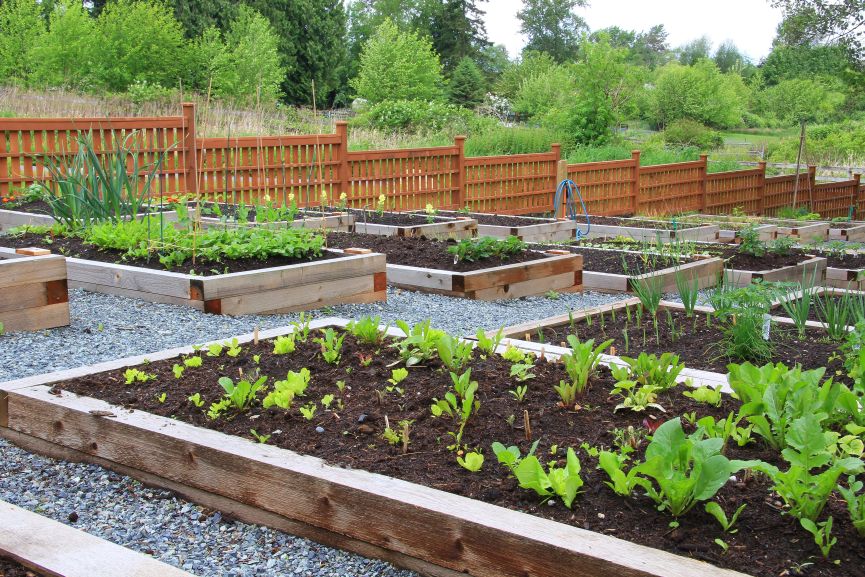
At first, you must determine what you exactly want. Changing your mind as you go may result in additional cost, and take time for your garden to flourish. Ask yourself some questions. Do you want an extravagant raised bed with some perennials, a few annuals and some shrubs combined to some key solar lights planted strategically? Or, do you simply want a cute corner raised bed with a few rose bushes and a small trickling water pond. Those questions are part of your backyard garden planning process.
These questions will lead to further questions in your planning such as space allocation, size, type of plants based on the sun exposure and so on.
Same goes for a vegetable garden. Are you looking for a small vegetable patch at the very back of your property? What do you plan to grow? Some vegetables like cucumbers, pumpkins, water melons require larger space to grow successfully. Are you close to your watering source for watering your garden regularly when the rain is scarce? Do you plan an irrigation system for your vegetable garden? All these questions are raised following the few basic factors to consider. Thoe are:
- Garden Space;
- Soil Assessment;
- Choosing the right plants and vegetables;
- Designing your garden layout;
- Seasonal Planning and Crop Rotation (Applicable to Vegetable Gardens);
- Watering and Maintenance Planning; and
- Sustainability and long-term plans (possible expansion)
Throughout this post, I will relate some of my own garden planning lessons learned when I planned my latest vegetable garden a few years ago. Things I didn’t think at first but came to mind in the second, third and fourth year after.
Understanding Your Garden Space
Your first step in backyard garden planning is assessing the available space. Determine the location and space by considering a few factors. It includes measuring the area, observing its shape like square, rectangle, oval, and asymmetric. Note any permanent features and what is around that space or location such as fences, trees, buildings, or pathways.
Sunlight exposure is especially important as discussed above. Most vegetables and flowering plants need at least six hours of direct sunlight per day, while others thrive in partial or full shade. Spend time observing how sunlight moves across your garden throughout the day and across seasons.
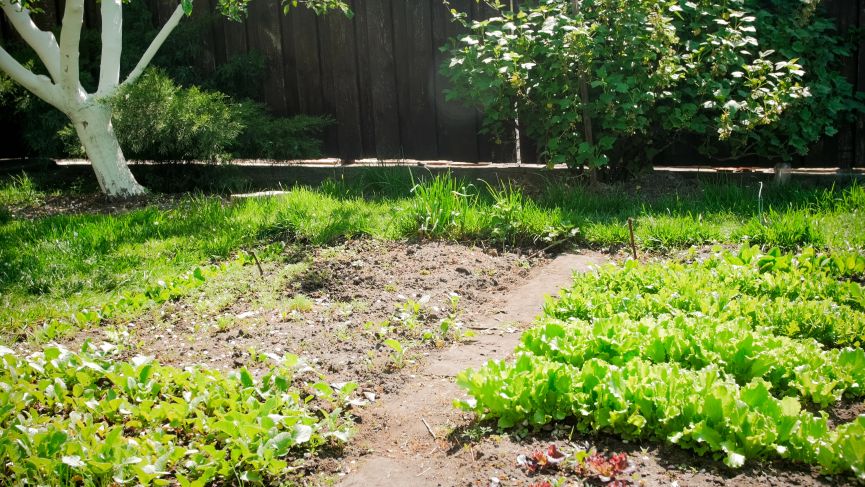
Are there any slopes? Drainage is another critical factor. This may cause the water to pool in your garden. Areas where water pools after rain may need soil improvement or may be better suited for water-loving plants. Wind exposure should also be considered, as strong winds can damage plants and dry out soil quickly. Identifying sheltered spots can help determine ideal locations for delicate plants like tomato plants.
Other regulations may relate to bylaws when it comes to locations of your raised bed. Certain urban areas may have their own rules regarding landscaping.
As an example, last summer (2025), the city of Ottawa where I reside, has come up with a stricter screening process for front yard landscaping. Residents did not want to wait for the city’s permit approval and were still going ahead only to have it torn off for not following the proper regulations. This can present some frustration and extra cost.
Soil Assessment and Preparation
Healthy soil is the backbone of any successful garden. Before planting, it is important to understand what is your soil type whether it is sandy, clay, loamy, or a combination of everything. You may be facing a soil that will not absorb the water well such as clay which can present its own issues when it pours. In addition clay will crack in dry, hot weather. You may likely have to add rich organic top soil so this should be part of your budget and planning. Questions like the type and quantity is important to consider.
You can conduct a simple soil test which will reveal the nutrient levels and pH. A proper soil test will tell you a few valuable piece of information. A soil test can be done in different ways. Those are:
- Soil Test Kits
- Homemade Soil Test ; and
- Laboratory Soil Test
Soil Test Kits: Soil test kits are available at your local nursery, certain box stores and online. It is a good mix between the homemade style and the more elaborate one from laboratories. Again each have their pros and cons such as cost, reliable test results and convenience. One soil test kits we found was reliable and efficient was the Smart Soil Test Kit 8-in-1, show below in our photo.
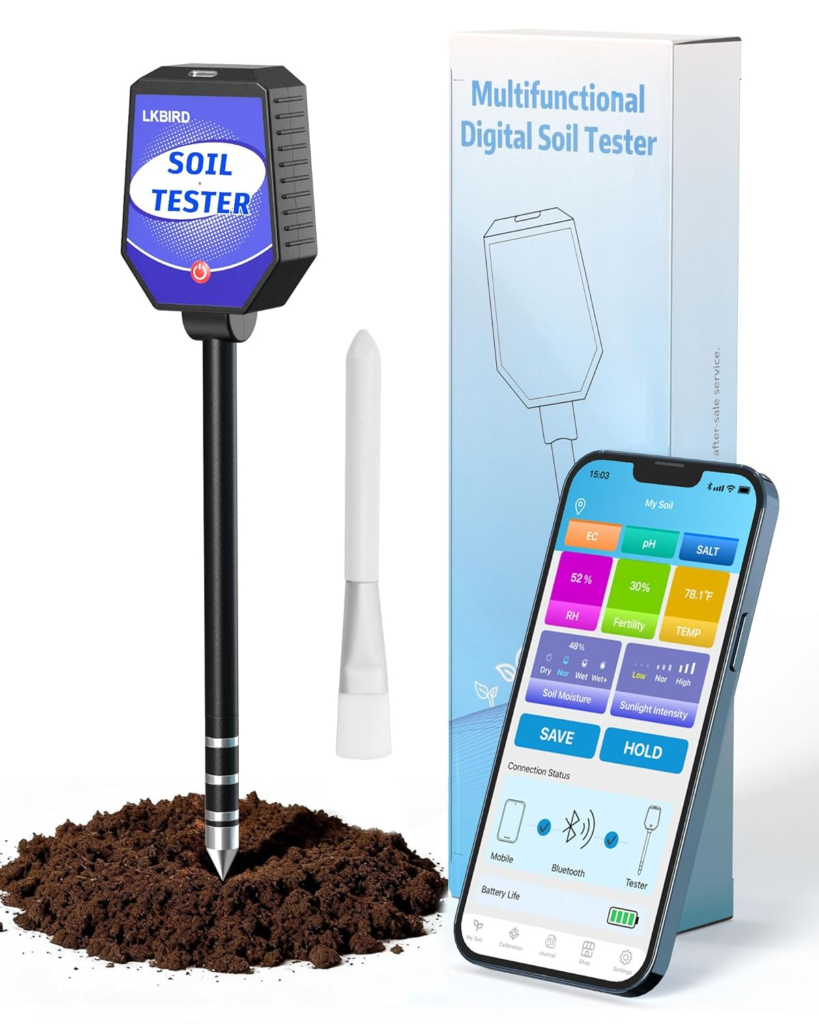
The Smart Soil Test Kit 8-in-1 provides pH, moisture, fertility, conductivity, salinity, air humidity, light intensity and temperature. All the information can be listed the smart way on your phone through Bluetooth connectivity for convenience.
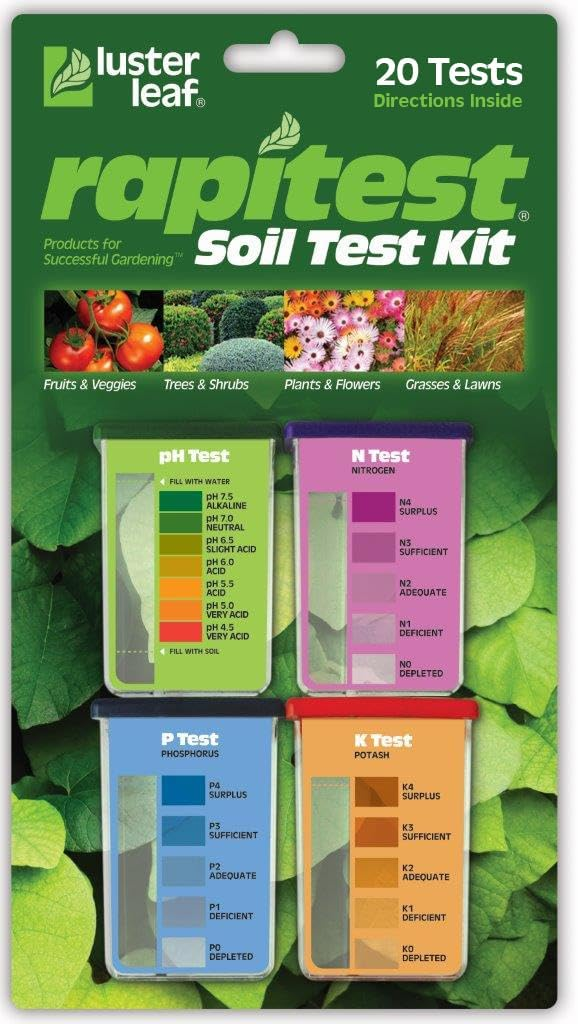
Other soil test kits like the RapiTest Soil Testing Kit can be found a cheaper price but may not give you as much information or inaccurate information. Get a soil test kit that matches wat you need to know accurately.
Homemade Soil Test Kits: You can also create your own homemade soil testing kit using some familiar ingredients. You need to do your testing kit based on what you want to test like pH or soil texture.
For PH, all you need to do is place soil in separate containers. Add vinegar to one container. If it fizzes this tells you it is an alkaline soil. Moisten the second container with distilled water and the add baking soda. If this one fizzes, this will tell you the soil is acidic. A no reaction soil will tell you the pH is neutral.
To see if it drains properly, put some of your soil to test in a jar. Add water, seal and then shake the jar well and let it settle for a day (24 hours). The settling will tell you how well it drains. The sand (if present) will settle first (heavier), then silt, then clay (lighter).
Key nutrients in the soil are:
- Macronutrients: Nitrogen (N), Phosphorus (P) and Potassium (K)
- Micronutrients: Iron, Zinc, Copper
- pH: pH affects the nutrients availability (best results are a pH at 5.5 to 7.0)
Note: Compare the pH level in the soil like the pH in a pool. A proper level of pH allows the other ingredients to perform better.
A soil test of your garden, no matter what type, helps gardeners choose appropriate plants or add to, or incorporate new soil as needed. Keep in mind that most garden plants prefer slightly acidic to neutral soil, though some thrive in more alkaline or acidic conditions.
Soil preparation often involves adding organic matter such as compost, well-rotted manure, or leaf mold. These materials improve soil structure, enhance drainage in heavy soils, increase water retention in sandy soils, and provide essential nutrients. Good soil preparation reduces the need for fertilizers and supports strong root development.
As an example, I would keep all my egg shells to throw in my soil particularly where my tomato plants were located in my garden. The egg shells when disintegrating leave a valuable amount of calcium, phosphorus, and magnesium that improve soil structure and prevent conditions like blossom end rot in tomatoes.
Laboratory Soil Testing: laboratory soil testing consists of analyzing soil samples for physical, chemical, and biological properties to determine nutrient levels, acidity (pH), texture, and contamination. This method is more costly and may take longer to get results. Regardless, the accuracy of the results will be 100% accurate. This method is mostly used for commercial gardeners and farmers. Laboratory soil testing covers a wide range of micronutrients and environmental contaminants.

Laboratory soil test results will provide data for optimizing crop yields, identifying, and addressing soil degradation, or ensuring safety in urban, residential, or agricultural environments.
Beginners can use this method too but keep in mind the cost may range between $20 to $200 depending on the complexity of the test and information sought.
Choosing the Right Plants for your Backyard Garden
Plant selection is one of the most enjoyable aspects of your backyard garden planning, but it should be guided by practicality rather than aesthetics alone. Whether it is flowers, perennials, vegetables or shrubs a careful selection is very important. Seasonal climate and hardiness zones play a major role in determining which plants will thrive. Selecting plants suited to local conditions reduces maintenance and increases success.
One other thing to consider is the plant size at maturity. As mentioned earlier, plants like pumpkins, cucumbers and cabbages need a lot of space when they are at maturity. Corn plants are taller which may create too much shade next to a shorter vegetable plant requiring more sun. Don’t get fooled by small seedlings. Those seedlings will grow and take a lot of space.
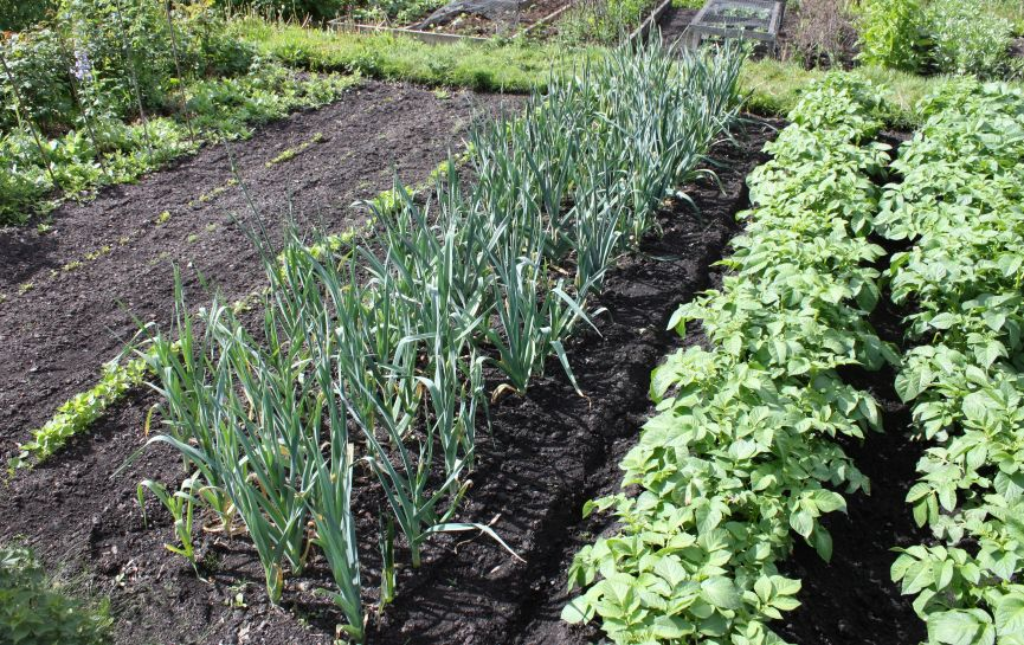
Overcrowding is a common mistake amongst beginners. Plants must be spaced correctly as directed on packets and at the nursery for flowers. Spacing plants correctly allows for proper air circulation, reduces disease, and ensures access to sunlight.
Mixing plants with similar water and nutrient needs simplifies care and improves overall garden health.
In your backyard garden planning, you must consider the purpose of your garden. We briefly touched on it earlier. For some gardens, their purpose are designed essentially for food production where for some others it will be for visual appeal, relaxation, or wildlife support. Defining the garden’s purpose will help guide plant choices and layout decisions.
Companion planting can also be incorporated into the design. Certain plants benefit each other by deterring pests, improving growth, or enhancing flavor.
For example, marigolds are often planted among vegetables to discourage insects, while herbs like basil pair well with tomatoes. We are looking at plants companions within a garden in another post.
Designing the Layout
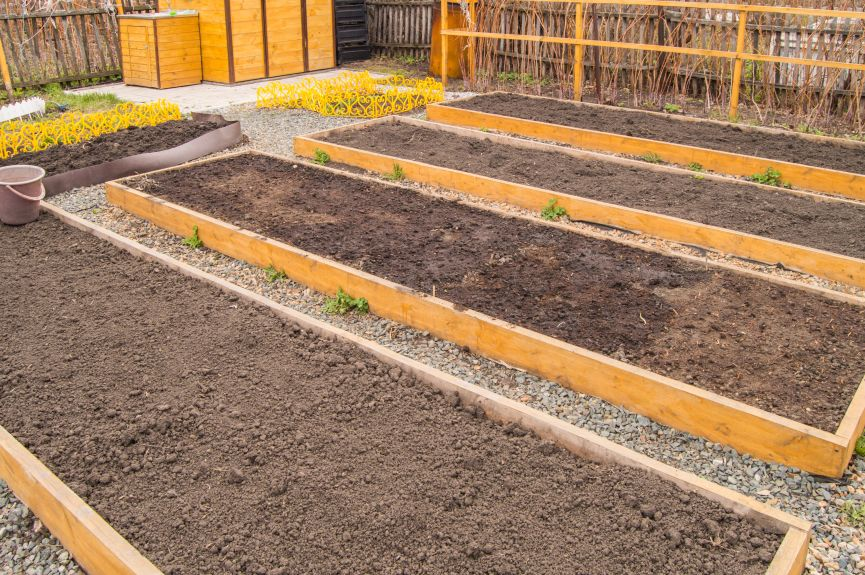
A well-designed garden layout balances beauty, accessibility, and efficiency. Paths should be wide enough for comfortable movement and positioned to allow easy access for planting, watering, and harvesting. Raised beds are popular for their neat appearance, improved drainage, and reduced strain on the gardener’s back.
When planning the layout, it is helpful to sketch the garden on paper or use digital planning tools. This allows experimentation with different arrangements before committing to planting. Layering plants by height—placing taller plants at the back and shorter ones at the front—creates visual depth and ensures that all plants receive adequate light.
The layout design allows a visual representation before any work starts. It may identify possible hiccups you would encounter as start setting your garden in place.
In your layout consider any possible hazards underground like cables and natural gas pipes. Other obstacles may be drain pipes (perimeter drain). This could be problematic if you are using a roto tiller.
Seasonal Planning and Crop Rotation
Garden planning should extend beyond a single season. Understanding planting and harvesting times allows gardeners to make the most of their space throughout the year. Succession planting—where crops are planted in stages—ensures a continuous harvest rather than a single large yield.
Crop rotation is especially important in vegetable gardens. Growing the same type of plant in the same spot year after year can deplete soil nutrients and encourage pests and diseases. Rotating plant families helps maintain soil health and reduces the need for chemical treatments.
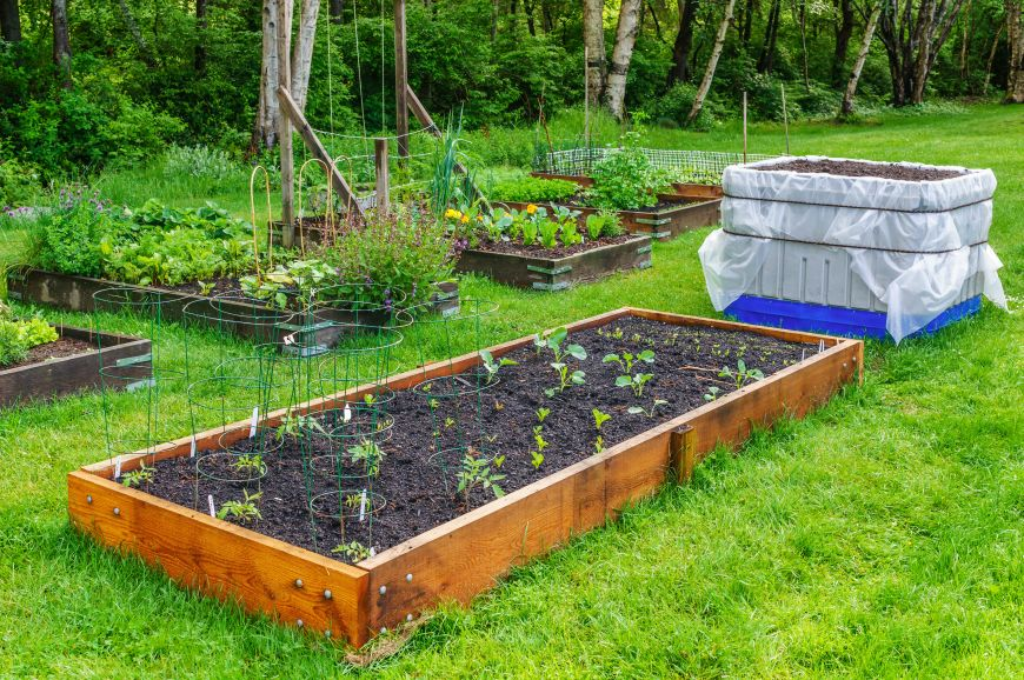
Planning for all seasons also means considering how the garden will look and function year-round. Including evergreen plants, ornamental grasses, or winter vegetables can keep the garden productive and attractive even in colder months.
Watering and Maintenance Planning
One of the pleasure of having a garden is the watering and its maintenance. If you see garden maintenance like pulling weeds as a chore, gardening is not for you. An often overlooked aspect of garden planning is its maintenance. Watering needs vary widely among plants, so grouping plants with similar requirements makes irrigation more efficient. Installing drip irrigation systems or soaker hoses can conserve water and deliver moisture directly to plant roots.
Mulching is another key maintenance strategy. Organic mulches such as straw, bark chips, or compost help retain moisture, suppress weeds, and regulate soil temperature. Planning for mulching from the start saves time and improves garden health.
Gardeners should also realistically assess how much time they can dedicate to upkeep. Choosing low-maintenance plants, perennials, or native species can reduce weeding, pruning, and watering demands.
Sustainability and Long-Term Vision
Modern garden planning increasingly emphasizes sustainability. Using native plants supports local ecosystems and wildlife, including pollinators such as bees and butterflies. Composting garden waste and kitchen scraps reduces landfill use and provides free, nutrient-rich soil amendments.
Rainwater harvesting, organic pest control, and minimizing chemical fertilizers all contribute to a more environmentally friendly garden. Planning with sustainability in mind not only benefits the environment but also creates a healthier, more resilient garden over time.
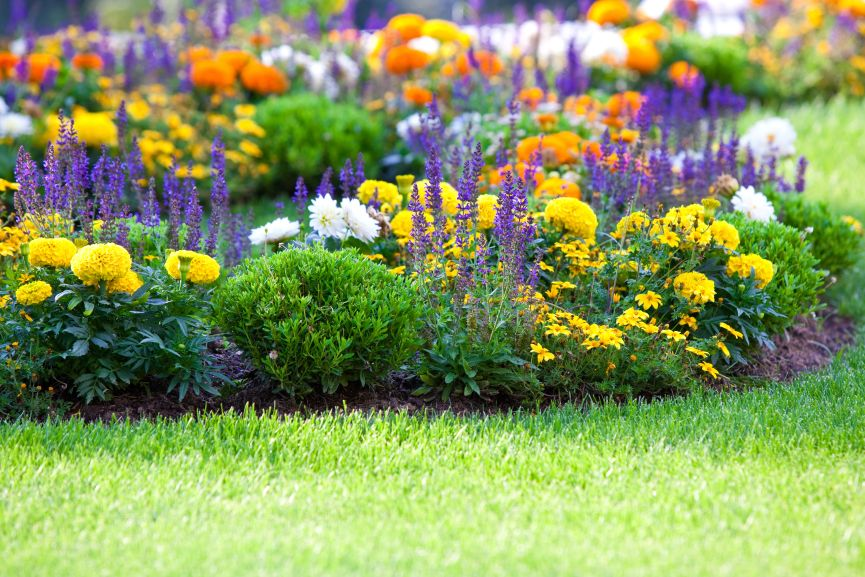
A long-term vision helps gardeners adapt and grow. Gardens are dynamic spaces that evolve with seasons and experience. Allowing room for change, experimentation, and learning ensures that the garden remains a source of enjoyment rather than stress.
In certain cases adding to your garden will add a certain value to your property making it appealing for resale. A garden already built saves time for a new buyer. A beautiful flower garden in the backyard adds an aesthetic appeal and pride for a new potential owner later on.
Conclusion
Backyard garden planning is an essential step that transforms gardening from a series of random actions into a purposeful and rewarding process. By understanding the garden space, preparing the soil, choosing appropriate plants, and designing a thoughtful layout, gardeners set themselves up for success. Considering maintenance, seasonal changes, and sustainability further enhances the garden’s value and longevity. With careful planning, a garden becomes more than just a collection of plants—it becomes a living, evolving space that reflects both nature and the gardener’s vision.