

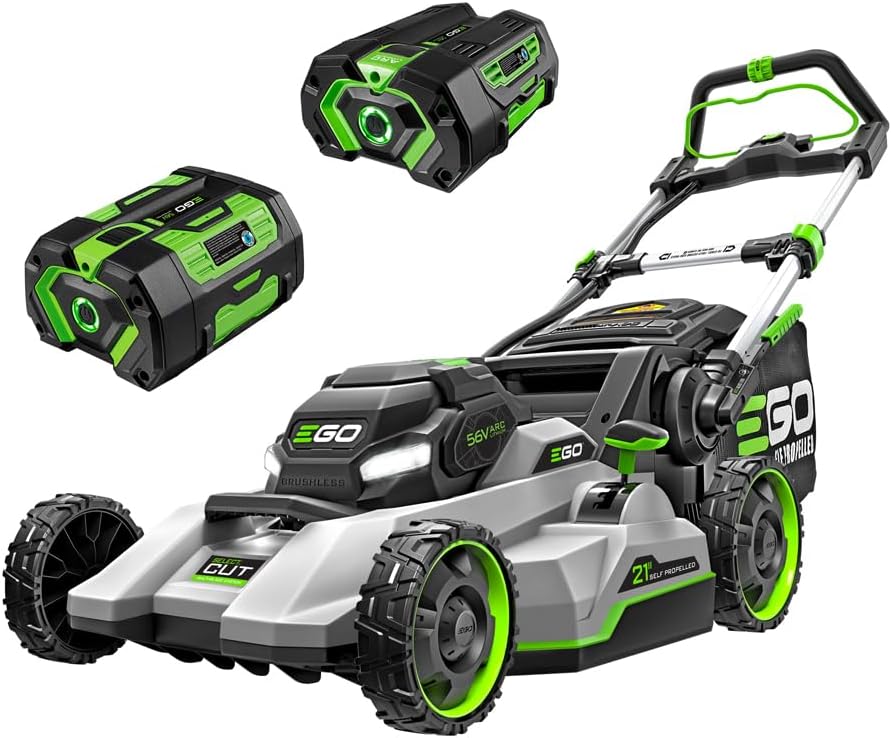
Gas Lawnmowers vs Electric Lawnmowers – Times have changed when it comes to lawnmowers.
Although gas lawnmowers are still popular with consumers many are now opting for an electric lawnmower
We compare the two types to clear up any myths
Choosing the right lawn mower can make a huge difference in how efficiently you maintain your yard. For decades, gas lawn mowers dominated the market, but electric lawn mowers have surged in popularity thanks to advances in battery technology and growing environmental awareness. If you’re trying to decide between a gas lawn mower and an electric lawn mower, this in-depth comparison will help you understand the pros, cons, and best use cases for each.
In this guide, I’ll break down performance, cost, maintenance, environmental impact, and usability.
Overview: Gas vs Electric Lawn Mower
At a basic level, the difference between gas and electric lawn mowers comes down to power source:
- Gas lawn mowers run on gasoline and use internal combustion engines.
- Electric lawn mowers run on electricity, either via a cord or rechargeable battery. In 2026. with lithium battry evolving, many now use a rechargeable battery.
 |  |
|
Gas mowers have more features to consider in its ease of use. Main factors remain the same as they have always been and are as follow::
| Ease of use for electric has reduced many steps in getting the mower started. Main features are as follow:
|
|
Known for handling tougher jobs such as:
| Performance of electric lawn mower has vastly improved and can take on:
|
|
|
|
|
Cost itself of the lawn mower have remained stable.Overall cost for gas mowers can be more expensive over time for the following reasons:
| Electric lawn mower cost can be steep at the start but overtime cost less for the following reasons:
|
|
Gas mowers require a lot more maintenance to perform optimally.
| Electric lawn mowers and battery-powered mowers require less maintenance and are mainly limited to these:
|
|
Each type has its own safety considerations. Those are the one for gas lawn mowers:
| Electric lawn mowers (battery-operated) represents less safety risks and are mainly the following:
|
Each type has its own strengths, and the best choice depends on your lawn size, budget, and personal preferences. This guide is in no-way aimed at persuading to buy one type or the other. In the end it remains your decision of what you need based on the factors mentionned.
Let’s dive into it!
Performance and Cutting Power
Gas Lawn Mower Performance
Before looking at performance, it’s always good to know engine lingo and how it relates to your gas lawnmower. Below I provide you the definition of various engine power measurements.
- Cubic centimeters (cc) is the unit of measurement of a vehicle’s engine displacement, which is the total volume of all the cylinders in the engine.
- Horsepower (hp) is the measurement of how fast a vehicle’s engine produces force, which can be used to determine its maximum running capacity.
- Horsepower and cubic centimeters are both key metrics in defining a vehicle’s engine performance, but they measure two completely different aspects. Horsepower is all about acceleration and top speed, while cubic centimeters focuses on engine displacement and torque.
Gas lawn mowers are known for their raw power. Engines on gas lawn mowers will vary They are ideal for:
- Large lawns
- Thick or overgrown grass
- Uneven terrain
Because they generate more torque, gas mowers can handle tougher cutting conditions without slowing down. This makes them a top choice for homeowners with demanding yard maintenance needs.
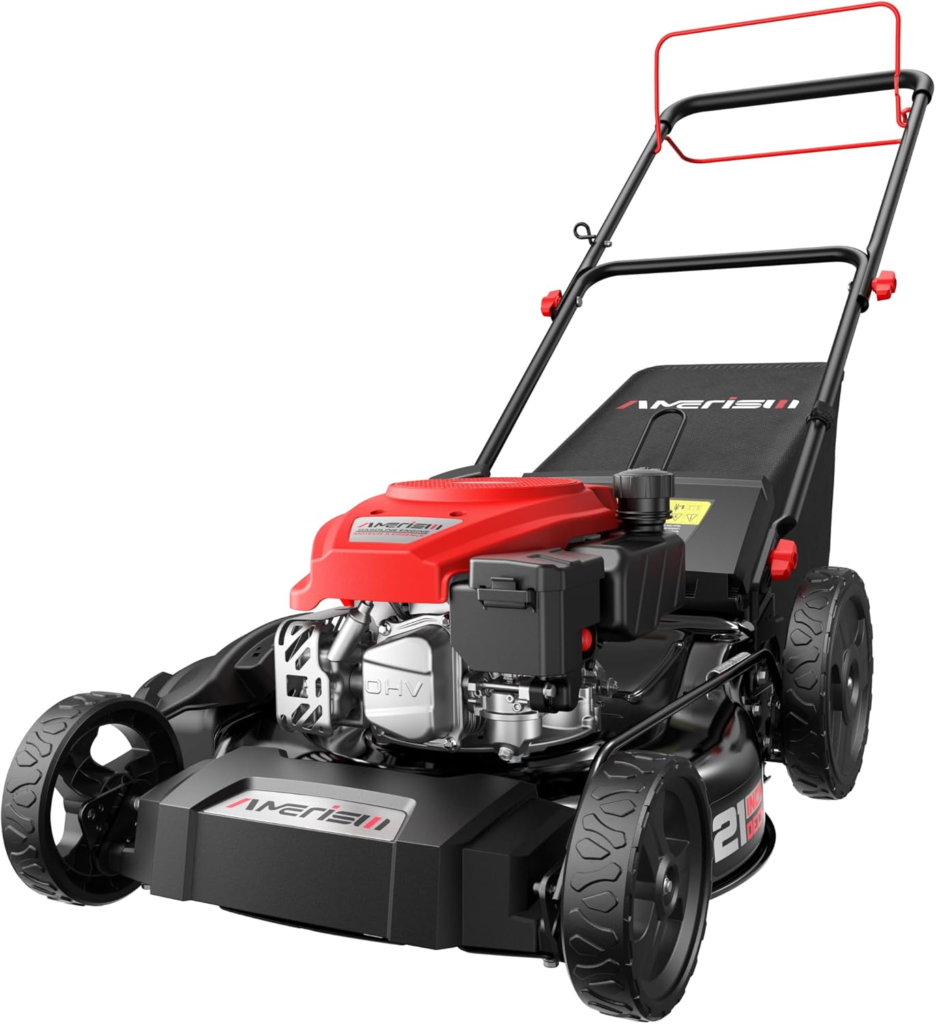
See the AMERiSUN 21 Gas Lawn Mower on Amazon
Electric Lawn Mower Performance
Electric lawn mowers have improved significantly in recent years. High-end battery-powered models can now compete with gas mowers in many scenarios. One of those brands the EGO has taken the world by storm with its 20V Lithium battery powered lawn mower.
They are best suited for:
- Small to medium-sized lawns
- Regular maintenance mowing
- Flat or moderately uneven terrain
However, they may struggle with very dense or wet grass compared to gas models. For the battery powered lawn mower, the 56V lithium battery can endure grass at medium length. I will break down further the grass length later.
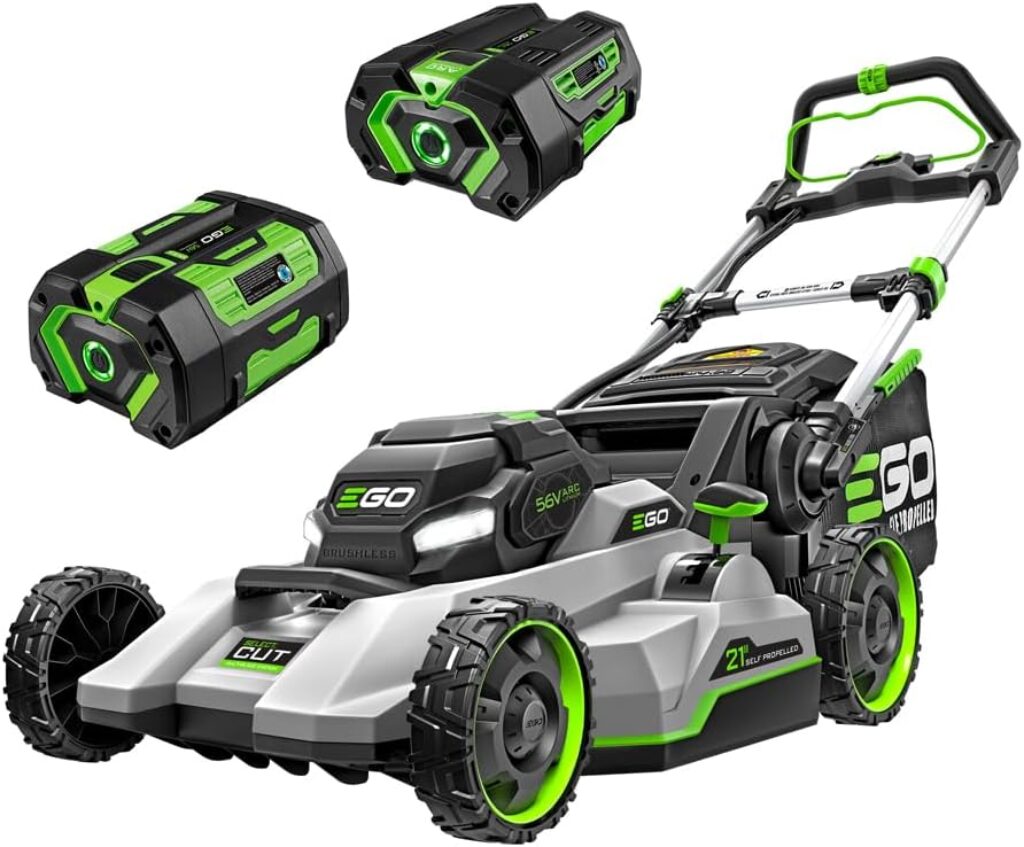
See the EGO Power Lawn Mower on Amazon
Performance in Real-World Conditions
Performance isn’t just about engine power—it’s about how the mower behaves in real situations.
Thick Grass and Overgrowth
Gas mowers dominate in tough conditions. If your lawn frequently gets overgrown or contains dense grass types like Bermuda or St. Augustine, gas engines handle the resistance more effectively.
Electric mowers can manage moderate thickness, but they may:
- Stall in very dense patches
- Drain battery faster under heavy load
- Require multiple passes
Wet Grass Performance
Cutting wet grass is never ideal, but sometimes unavoidable.
- Gas mowers: Better equipped to handle moisture due to higher torque
- Electric mowers: More prone to clogging and reduced efficiency
Slopes and Uneven Terrain
Gas mowers typically perform better on hills and uneven ground due to their consistent power output. However, self-propelled electric models are closing this gap quickly, offering solid traction and torque control.
Ease of Use and Convenience (Storage)
Gas Lawn Mowers
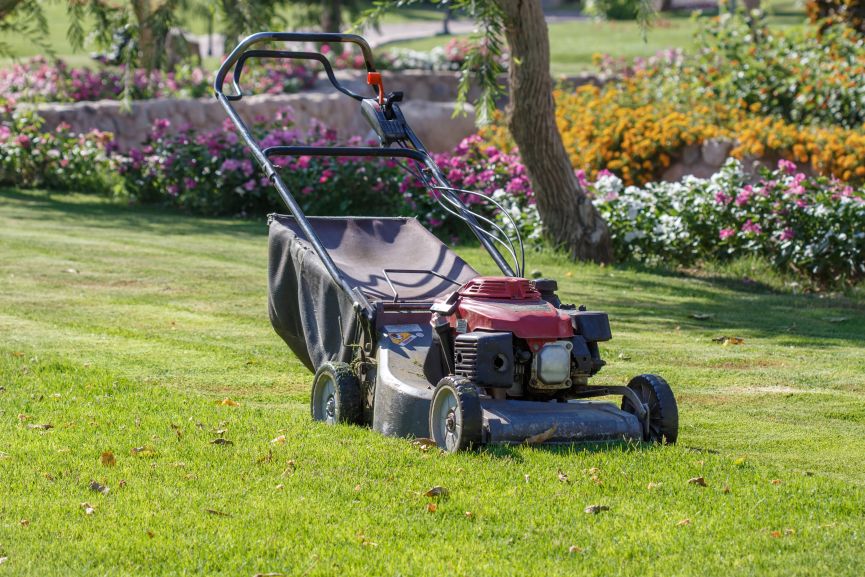
Gas mowers require more effort to operate and store:
- Pull-start or key ignition
- Heavier weight and bulky (engine weight mainly)
- Requires refuelingling (fire and environmental precautions)
- Must be stored with fuel considerations (fuel stabilizer)
They can also be harder to maneuver, especially for beginners.
Electric Lawn Mowers
Electric mowers are significantly easier to use and maneuver:
- Push-button start
- Lightweight design (no engine)
- Quieter operation
- Can be stored vertically in many cases
Cordless electric lawn mowers eliminate the hassle of managing cords while still offering excellent mobility. Stay away from the elctric powered lawn mower, where you must plug it to an extension cord. Mowing over the extension cord may be a hazard.
Noise Levels and User Comfort
One of the most noticeable differences between gas and electric mowers is noise.
Gas Mowers
- Typically operate at 85–95 decibels
- Require hearing protection for prolonged use
- Can disturb neighbors, especially in quieter neighborhoods
Electric Mowers
- Operate at 60–75 decibels
- Much quieter and more comfortable
- Ideal for early morning or evening mowing
For homeowners in suburban or urban areas, electric mowers offer a significant quality-of-life advantage.
Gas Lawn Mowers vs Electric Lawn Mowers Maintenance Requirements
Gas Lawn Mower Maintenance
When looking at maintenance requirements and winterization, gas lawn mowers require regular maintenance, including:
- Oil changes
- Oil Filter Replacement
- Air filter replacements
- Spark plug checks/replacement
- Fuel stabilization (Winterization}
If neglected, performance can decline quickly. Small engine maintenance can be costly if you are not the mechanic type.
Electric Lawn Mower Maintenance
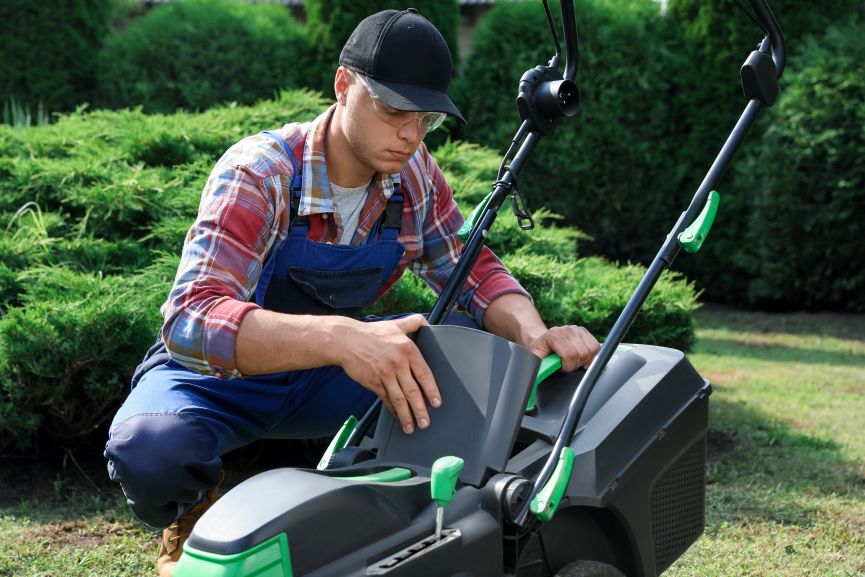
Electric mowers are much simpler:
- No oil changes
- No fuel system
- Minimal upkeep – such as recharging the battery
When cleaning the lawn mower remove the battery for safety precautions and to avoid damaging your battery if using soap and water.
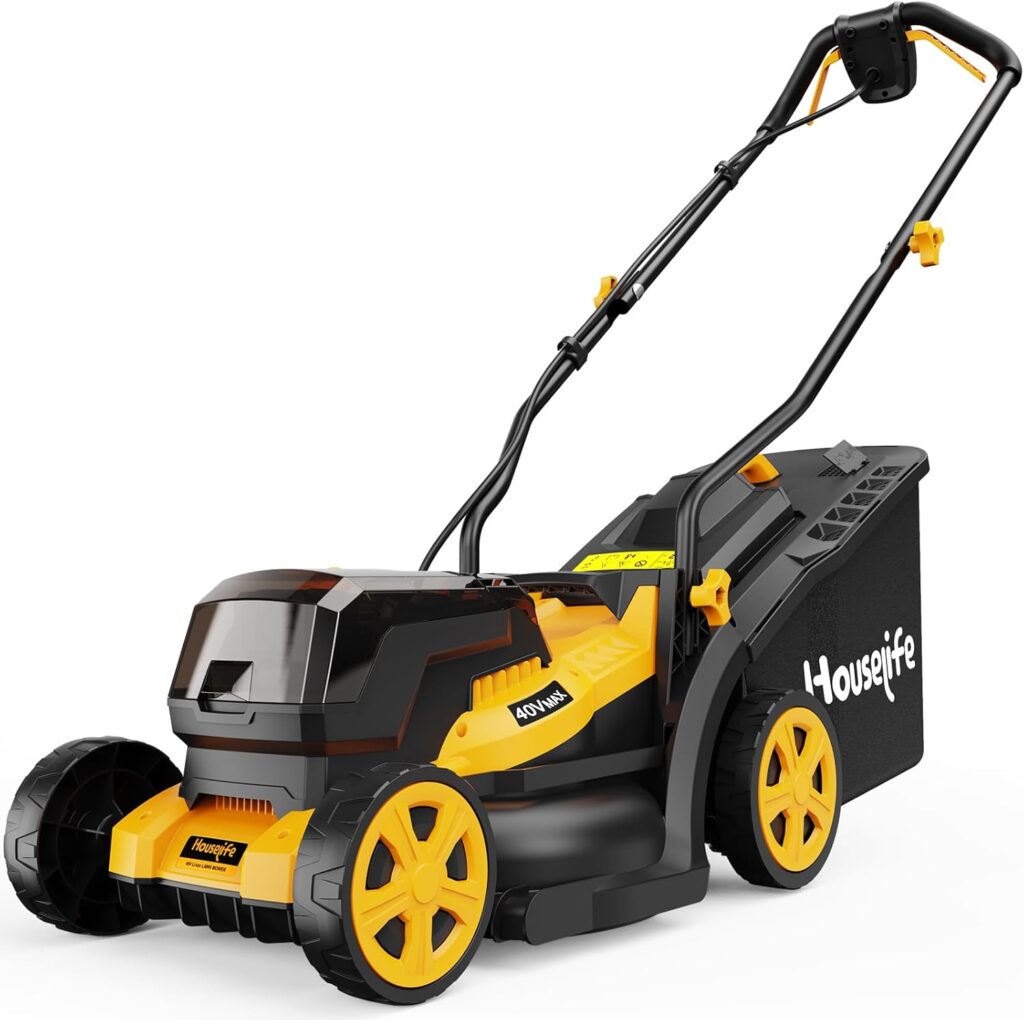
See the Houselife Battery Powered Lawn Mower on Amazon
Typically, you only need to keep the blades sharp and the battery charged.
Environmental Impact of Gas Lawn Mowers vs Electric Lawn Mowers
Gas Lawn Mowers
Regardless of the quality of maintenance you do on a gas lawn mower some facts will remain such as:
- Gas lawn mower emit carbon dioxide and other pollutants
- Contribute to air and noise pollution
- Gas lawn mowers require fossil fuels
In fact, small gas engines are less efficient than car engines in terms of emissions per hour.
Electric Lawn Mowers
Foe electric lawn mower whether it is battery operated or with an extension cord their environmental impact is much less.
- Produce zero direct emissions
- Are more energy-efficient
- Can be powered by renewable energy sources
For eco-conscious buyers, electric is the clear winner.
Cost Comparison of Gas Lawn Mowers vs Electric Lawn Mowers
At first glance, gas lawn mowers often appear more affordable upfront. However, the total cost of lawn mower ownership tells a different story.
Gas Mower Costs Over Time
Gas-powered mowers require ongoing expenses, including:
- Fuel (gasoline)
- Engine oil
- Spark plug replacements
- Air filters
- Annual servicing or repairs
Over a 5-year period, these recurring costs can easily add hundreds of dollars to your initial investment. Additionally, gas prices fluctuate, making long-term budgeting less predictable.
Electric Mower Costs Over Time
Electric mowers, particularly battery-powered models, have fewer ongoing costs:
- Electricity for charging (very low cost)
- Occasional blade sharpening
- Battery replacement (every 3–5 years)
While batteries can be expensive, the overall maintenance savings often offset this. In most cases, electric mowers are cheaper to operate long-term, especially for average homeowners.
Durability and Lifespan
Durability is another key factor where gas and electric mowers differ. Each have their pros and cons.
Gas Mowers
- Typically last 8–15 years with proper maintenance
- Built with robust metal components
- Easier to repair due to widely available parts
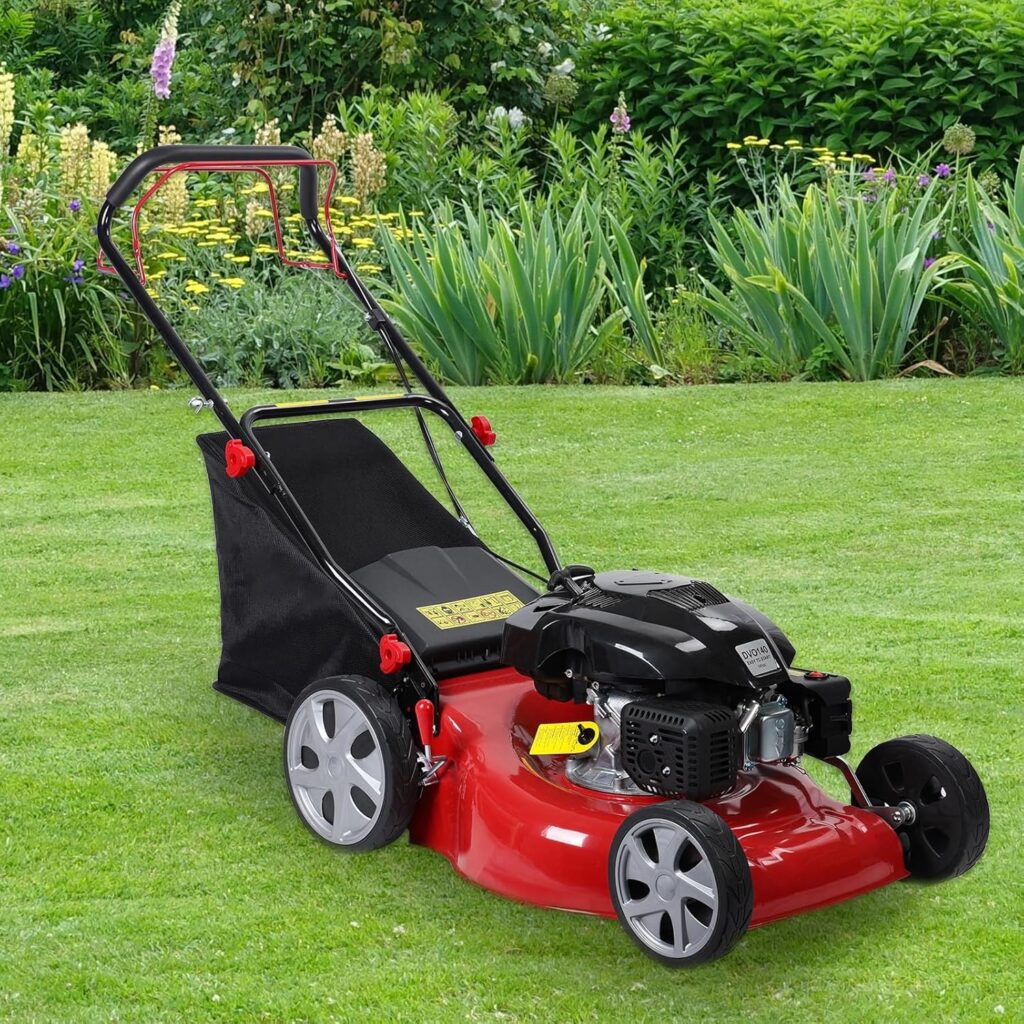 Gas Lawn Mower Usually Last Longer If properly Maintained By the Owner
See the Washranp Gas Lawn Mower on Amazon
Electric Mowers
- Average lifespan: 5–10 years
- Fewer moving parts (less mechanical failure)
- Battery lifespan is the main limiting factor
While gas mowers may last longer overall, electric mowers offer greater reliability with fewer breakdowns.
Safety Considerations
Safety is often overlooked but extremely important.
Gas Lawn Mowers
- Hot engines can cause burns
- Fuel handling presents fire risks
- Louder operation may reduce awareness of surroundings (Wear hearing protection)
Electric Lawn Mowers
- No fuel handling required
- Instant shut-off features
- Generally safer for beginners
However, battery safety should still be considered—always use manufacturer-approved chargers and avoid extreme temperatures.
Corded vs Cordless Electric Mowers
When choosing an electric mower, you’ll also need to decide between corded and cordless models.
Corded Electric Mowers
- Unlimited runtime
- Lower cost
- Restricted by cord length
- Hazardous (entanglement or running over the cord)
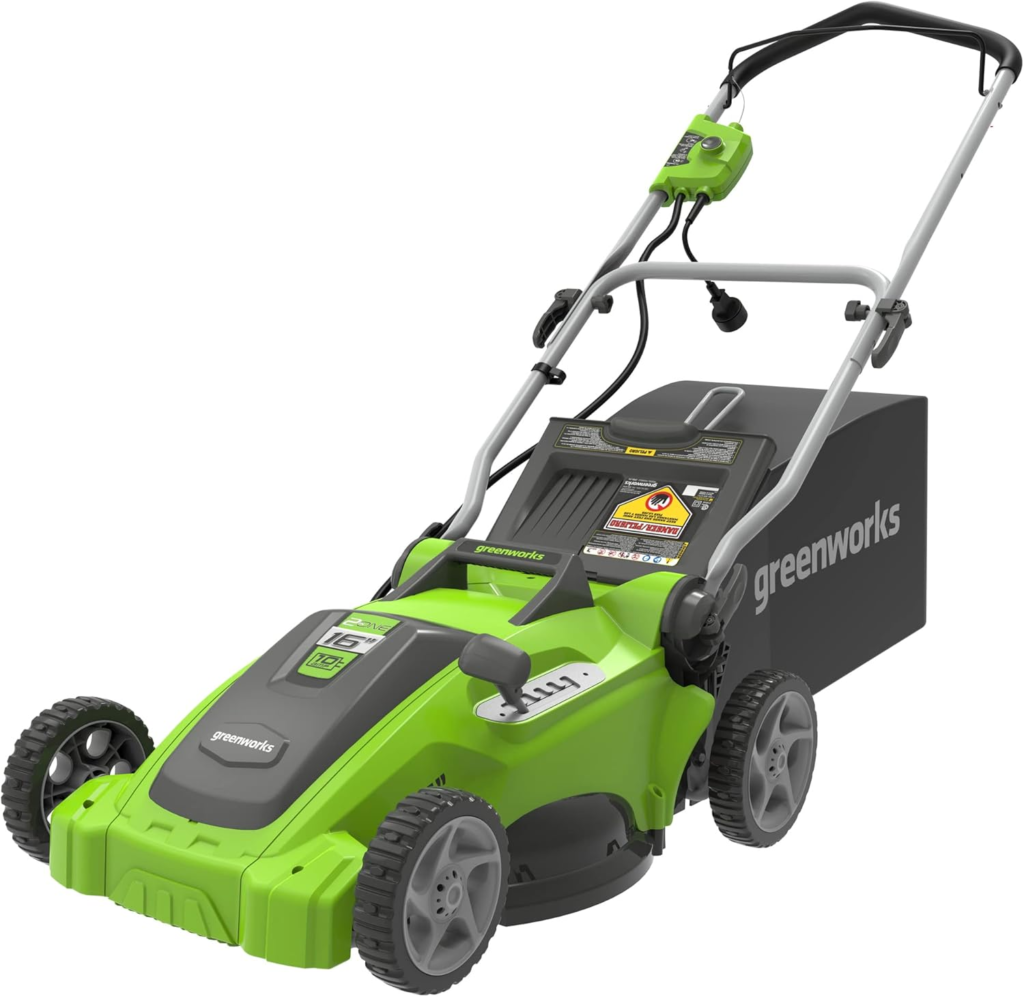
See the Greenworks Cordless Lawn Mower on Amazon
Cordless (Battery) Mowers
- Greater mobility
- Limited runtime
- Higher upfront cost
Most homeowners prefer cordless models due to convenience, despite the runtime limitations.
Smart Features and Technology Trends
Electric mowers are rapidly evolving with new technology.
Features in Modern Electric Mowers
- Brushless motors (more efficient and durable)
- LED headlights
- Smart battery management systems
- App connectivity (in premium models)
Gas mowers, while powerful, have seen fewer innovations in recent years.
Seasonal Considerations (Important for Canadian Buyers)
Living in regions with harsh winters (like Canada where I am) introduces additional considerations.
Gas Mowers in Winter (Main Considerations)
- Require fuel stabilization before storage
- Risk of carburetor issues if not maintained
Electric Mowers in Winter (Main Considerations)
- Batteries must be stored indoors
- Minimal maintenance required
Key Seasonal Lawn Mower Maintenance Considerations in Northern Climate
- Spring Preparation: Change the engine oil, replace the air filter, install a new spark plug, and sharpen the blades.
- End-of-Season (Fall/Winter): Run the mower out of gas or use a fuel stabilizer to prevent carburetor issues during long winter storage.
- Cleaning: clean under the deck to prevent grass buildup and corrosion.
- Blade Care: Sharpen blades 3–4 times per season for a clean cut, as dull blades damage grass.
- Safety: Disconnect the spark plug wire before working on the mower to prevent accidental starting.
- Parts: Regularly inspect and tighten nuts/bolts, as engine vibration can cause them to loosen.
Electric/Battery Mower Specifics
- Battery Storage: Store batteries in a dry, cool, and frost-free place during winter to maintain capacity.
- Cleaning: Remove dirt and grass, check connections, and ensure the deck is clear of debris.
Engine Maintenance
- Oil Change: Change the oil at the start of the season or after every 50 hours of use, ensuring to use the correct grade.
- Air Filter: Clean or replace the air filter to maintain engine efficiency..
Pro Tip: Refer to your specific owner’s manual for exact oil types, spark plug models, and maintenance schedules tailored to your machine
Electric mowers are generally easier to manage during off-season storage.
Which Type Is Best for You? (Advanced Buyer Profiles)
Choose a Gas Lawn Mower If You:
- Maintain a large property
- Frequently deal with thick or overgrown grass
- Need maximum durability and long runtime
- Don’t mind regular maintenance
Choose an Electric Lawn Mower If You:
- Have a small to medium yard
- Want a quiet, low-maintenance solution
- Prefer eco-friendly tools
- Value convenience and ease of use
Future Outlook: Are Gas Mowers Becoming Obsolete?
Gas lawn mowers are not disappearing overnight—but their dominance is declining. Finding gas lawn mower has become more difficult with mainly the large commercial brands offering some models.
Advancements in battery technology are making electric mowers:
- More powerful
- Longer-lasting
- More affordable
Some regions are even introducing regulations limiting small gas engine use, which could accelerate the shift toward electric options.
Extended Final Verdict on Gas Lawn Mowers vs Electric Lawn Mowers
Comparing a gas lawn mowers vs electric lawn mowers to purchase has become an essential step in whether you should shift to an electric lawn mower. With the gost of gasoline continuinf to climb, the fact remain that electric lawn mowers are becoming more efficient, durable with a longer endutance on their batteries. If you’re still unsure, here’s a simplified breakdown:
- Best for power and endurance: Gas mower
- Best for convenience and eco-friendliness: Electric mower
- Best overall for most homeowners in 2026: Electric mower
Electric lawn mowers are no longer the “weaker alternatives”—they are now the default choice for modern homeowners, with gas mowers reserved for specific heavy-duty scenarios. Myself, I got myself the EGO electric lawn mower in 2024. Skeptical after reading many reviews I was truly convinced. Since then, I am glad to see many gardening tools made by EGO but I am not sure if they are just as reliable. let me know if you have tried them.
If you have any comments or thoughts regarding gas lawn mowers vs electric lawn mowers, we’d like to hear from them. Simply leave us a comment below. Hope you enjoyed the read.
I do receive a commission at no cost to you from sales referred by our links. The commission received helps me and my team enhance our reviews and buying guides by acquiring some of the products to better serve you. Rest assured, we have carefully selected these products for their usefulness and quality.