
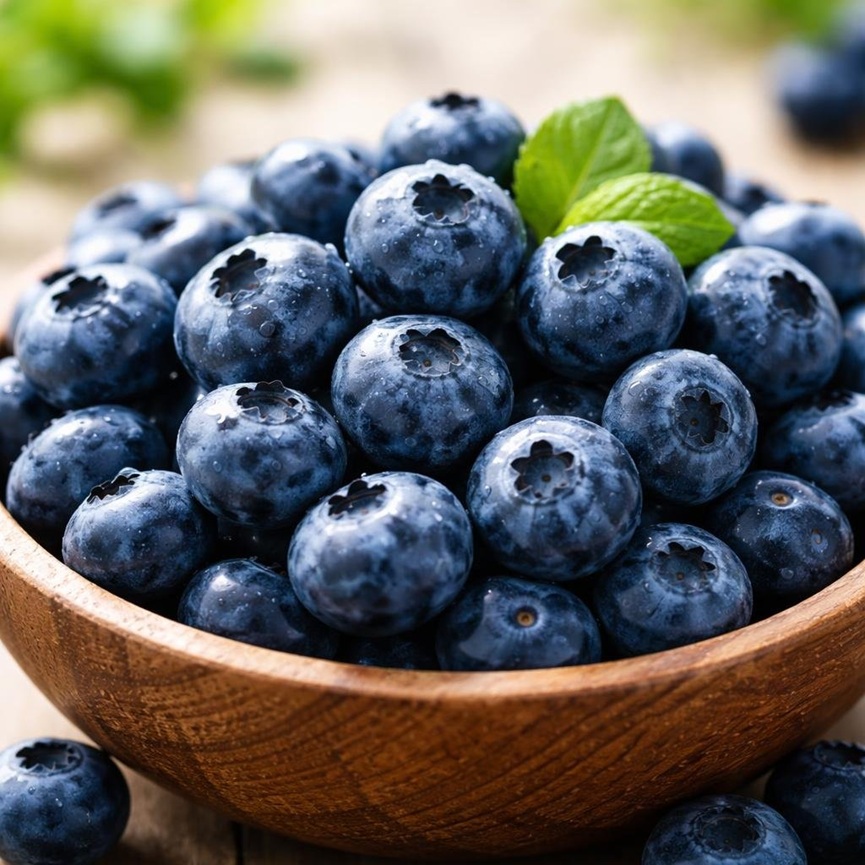
How to Grow Blueberries: The Complete Guide to Planting, Care, and Harvesting
Blueberries are among the most rewarding fruits you can grow at home. These perennial shrubs produce delicious harvests year after year—often for 50 years or more once established—while doubling as attractive landscape plants with bell-shaped spring flowers and vibrant scarlet fall foliage. Whether you have a sprawling backyard or just a sunny balcony, this guide covers everything you need to know to grow healthy, productive blueberry bushes.
Why Grow Blueberries?
Beyond the obvious appeal of fresh, flavorful berries, homegrown blueberries offer several advantages over store-bought fruit. You control what goes on your plants, making organic growing straightforward. The berries you pick at peak ripeness taste noticeably better than those harvested early for shipping. And once established, a single bush can produce 5 to 10 pounds of fruit annually, making the initial investment pay off many times over.
What You Need to Know Before Growing Blueberries
Blueberries are packed with antioxidants, vitamins, and fiber, making them a popular superfood. Beyond their health benefits, blueberry plants are also attractive shrubs with beautiful spring flowers, lush green summer foliage, and vibrant red hues in the fall.
They are long-lived perennials, often producing fruit for many years with proper care. Once established, they require relatively low maintenance compared to many other fruit crops.
You can grow tasty, reliable blueberries at home if you give them acidic soil, steady moisture, and the right variety for your climate. Pick a variety suited to your zone, set plants in well-draining, low‑pH soil, and keep roots consistently moist to get a strong crop.
This guide shows how to choose the right type, prepare the planting site, plant correctly, water and feed plants, prune for bigger yields, protect from pests and disease, and harvest and store berries. Follow the steps and you’ll turn a few shrubs into a dependable source of sweet fruit.
Choosing the Right Blueberry Variety
Pick a variety that fits your USDA zone, space, and taste. Think about bush size, chill hours, and whether you need another variety nearby for better fruit set.
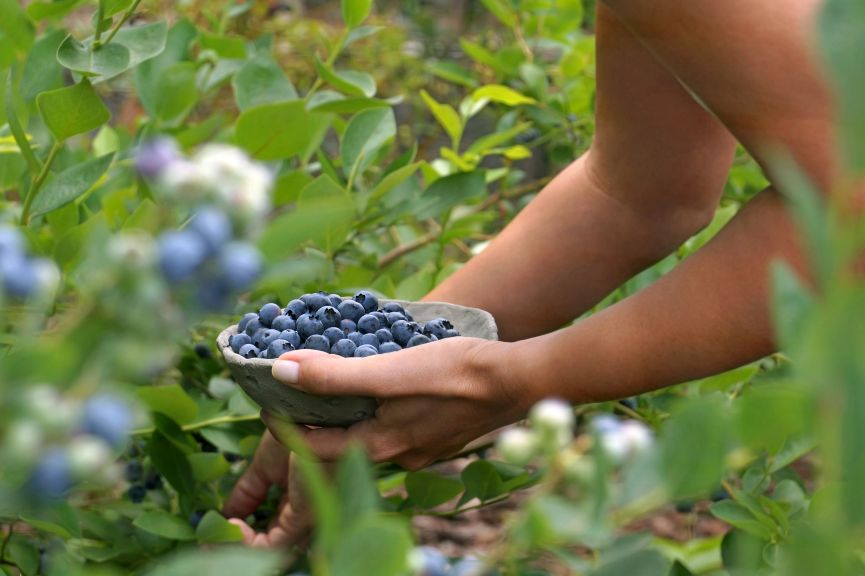
Understanding Different Blueberry Types
Blueberries fall into five main types: Northern highbush, Southern highbush, Rabbiteye, Lowbush, and Half-high.
- Northern highbush suits zones 3–7. It gives large crops and large berries.
- Southern highbush works in zones 7–10 and tolerates heat and milder winters.
- Rabbiteye fits zones 7–9 and is heat- and drought-tolerant.
- Lowbush grows wild in cold areas and spreads low to the ground.
- Half-high hybrids handle zones 3–6 and combine cold hardiness with manageable size.
Choose by garden space and harvest goals. If you need container plants, pick smaller cultivars like some half-highs or compact northern highbush types.
Selecting Varieties for Your Climate
Match chill hours and heat tolerance to your local climate. Once you have found your USDA zone compare chill-hour needs on seed catalogs or plant tags. If winters drop below -20°F, choose cold-hardy northern varieties or half-high hybrids. If summers are very hot, pick Southern highbush or Rabbiteye that tolerate heat and lower chill hours.
Also check soil and moisture conditions. Rabbiteye does better in drier, sandy soils. Northern highbush prefers consistently moist, acidic soils (pH 4.5–5.5). For containers, use an acid potting mix and pick compact varieties.
Cross-Pollination Considerations
Many blueberry varieties produce fruit alone, but yields improve with cross-pollination. Planting two compatible varieties that bloom at the same time increases berry set and size. Check bloom period overlaps before buying. For example, two northern highbush cultivars with mid-season blooms will pollinate each other well.
Rabbiteye often needs multiple rabbiteye varieties for best yields. Lowbush and some self-fertile varieties can do fine solo, but still gain from neighbors.
Use one plant every 10–12 feet for larger shrubs or two to three different varieties within the same bed to ensure bees can move pollen between blooms.
Seasonal Calendar for Growing Your Blueberries
It is important to know what to do and when caring to your blueberry bushes. Below I have summarized a quick calendar for you you can transfer and use as your checklist.
Spring
- Fertilize plants
- Prune if not already done
- Apply fresh mulch
Summer
- Water regularly
- Monitor for pests
- Harvest berries
Fall
- Add mulch for winter protection
- Test soil pH
Winter
- Protect plants from extreme cold if necessary
- Plan for pruning
Preparing the Planting Site
Get the soil right, pick a sunny spot, and make sure water drains well. These three steps set the stage for strong blueberry bushes and bigger harvests.
Soil pH and Acidity Requirements
Blueberries need acidic soil. Aim for a pH between 4.5 and 5.5. Test your soil with a home kit or send a sample to a local extension lab.
If pH is too high, lower it by adding elemental sulfur—follow label rates for your soil type. Organic options like peat moss or sphagnum also help acidify and add organic matter. Avoid lime or wood ash that raises pH.
Work amendments into the top 8–12 inches of soil before planting. Retest pH after three months and again each year. Keep mulch (pine needles, shredded bark) on the surface to preserve acidity and moisture.
Improving Drainage
Blueberries will not tolerate standing water. Check drainage by digging a 1-foot-deep hole and filling it with water; it should drain within 24 hours. If it drains slowly, use raised beds or plant on mounds.
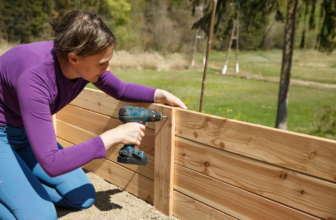
For raised beds, build them at least 12–18 inches high and fill with a mix of sandy loam, peat moss, and compost. Add coarse sand or perlite to heavy clay to improve structure and prevent compaction.
Avoid deep tilling that destroys soil structure. Instead, loosen the soil in the planting zone and add organic matter to improve aeration. Good drainage reduces root rot and keeps roots oxygenated.
Selecting a Sunny Location
Blueberries produce best with full sun: at least 6–8 hours per day. Choose a south- or east-facing spot to maximize sunlight and warmth during the growing season.
Avoid low spots where cold air or frost can settle. Leave 4–6 feet between bushes for air flow and ease of harvesting. If you plan multiple rows, space rows 8–10 feet apart.
Consider nearby trees and structures that cast shade in afternoon. Even partial shade lowers yield and delays ripening. Plant where you can water easily and have room for a 2–4 inch layer of mulch each year.
Planting Techniques for Blueberries
How to grow bluberries start with a good preparation of the soil. Prepare for acidic, well-drained soil, full sun, and enough room for roots and air flow. Plant shallow, space plants well, and add mulch to retain moisture and suppress weeds.
Planting Depth and Spacing
Plant blueberries so the crown (where stems meet roots) sits level with the soil surface or about 1 inch (2–3 cm) above it. Avoid burying the crown; deep planting can rot roots. For container-grown plants, loosen circling roots and spread them slightly when you set the plant in the hole.
Space highbush varieties 4–6 feet (1.2–1.8 m) apart in rows 8–10 feet (2.4–3 m) apart. Lowbush or half-high types can be 3–4 feet (0.9–1.2 m) apart. Proper spacing improves air circulation and sunlight exposure, which reduces disease and increases fruiting.
If planting multiple rows, leave enough room to mow or walk between rows. For small gardens, stagger plants in a zigzag to make better use of space.
Proper Planting Time
Plant bare-root or potted blueberries in early spring after the last frost, when soil is workable. This gives plants a full growing season to establish roots before winter. In mild climates, late fall planting can work if you protect plants and soil drains well.
Avoid planting during hot, dry periods; heat stress hinders root growth. Water newly planted bushes thoroughly and keep soil evenly moist for the first year. Check local frost dates and choose a planting window that avoids extreme temperatures.
Mulching Best Practices
Apply a 2–4 inch (5–10 cm) layer of organic mulch—pine needles, shredded bark, or wood chips—around the base, extending 2–3 feet (0.6–0.9 m) outward. Keep mulch a few inches away from the crown to prevent rot. Mulch helps keep soil acidic, retains moisture, and lowers weed pressure.
Top up mulch annually to maintain depth. If your soil pH drifts above 5.5, add acidifying mulch like pine needles or use soil sulfur in small doses following soil test results. Mulch also moderates soil temperature and improves root health over time.
Watering and Moisture Management
Keep soil evenly moist but not waterlogged. Aim for consistent moisture at the top 6–8 inches where most blueberry roots sit, and adjust for weather and plant age.
Irrigation Frequency
Blueberries need about 1 to 2 inches of water per week during the growing season. For newly planted bushes, water more often to keep the root zone damp until roots establish. Use a rain gauge or a straight-sided container to measure weekly moisture.
Irrigate deeply rather than only wetting the surface. Drip irrigation or soaker hoses work best; run them long enough to moisten 6–8 inches of soil. In hot, dry weather or during fruit set, increase to 2 inches per week. Mulch (2–4 inches) reduces evaporation and can cut watering frequency by half.
Check soil with your finger or a moisture meter. If the top 2 inches feel dry, water. If the soil stays soggy for more than two days after watering, reduce how often you irrigate.
Recognizing Overwatering and Underwatering
Underwatered bushes show wilted or dull leaves, small fruit, and slower growth. Leaves may curl and margins can brown. New plants are most at risk; they will drop leaves first. If fruit splits or tastes bland, moisture shortages during fruiting could be the cause.
Overwatered plants have yellowing leaves, soft stems, and poor root growth. Roots in waterlogged soil can rot and cause plants to decline. Soil that stays wet more than 48–72 hours after irrigation signals overwatering. Reduce irrigation, improve drainage, and avoid heavy clay soils without raised beds. Use mulch to maintain steady moisture but not so thick that water can’t penetrate.
Fertilizing Blueberry Plants
Fertilize to keep soil acidic, feed shallow roots, and avoid overdoing nitrogen. Test your soil first and use products made for acid-loving plants. One recommendation I can make is the soil acidifier from Jobe’s Organics. The 6lbs bag is sufficient if you are growing bluebberies at home and you have only a few plants. Acidic soil is one primary requirement for blueberries to thrive.

Timing and Types of Fertilizers
Apply fertilizer in early spring just as new growth begins, and again in late spring if needed. Young plants (first 1–3 years) need lighter, more frequent feeding; mature bushes usually need one light application each spring.
Choose fertilizers labeled for acid-loving plants or use ammonium sulfate, blood meal, or a 10-10-10 formula made for blueberries. Use slow-release granular or lightly worked-in organic options to avoid root burn. Typical rates: for established bushes, 1/2 to 1 cup of a balanced fertilizer per plant in spring, split into two applications if your soil test shows low nutrients. Always follow label directions and reduce rates on sandy soils.
Spread fertilizer evenly under the drip line, staying 6–12 inches away from the trunk. Water after applying to move nutrients into the root zone.
Avoiding Common Nutrient Issues
Start with a soil pH test; aim for pH 4.5–5.5. If pH is above 5.5, add elemental sulfur or use acidifying fertilizers. Do not rely on lime or alkaline amendments.
Watch for signs of nutrient problems: yellow leaves with green veins suggest iron deficiency; stunted growth and pale leaves can mean nitrogen shortage. Correct deficiencies with targeted products—chelated iron foliar sprays for iron, small amounts of ammonium sulfate for nitrogen. Avoid high-phosphorus fertilizers; blueberries need low to moderate phosphorus.
Prevent salt buildup by avoiding over-fertilizing and using organic mulches. If leaves scorch or roots decline, flush the root zone with deep watering to leach excess salts.
Pruning and Training for Maximum Yield
Prune to build a strong framework, remove weak wood, and open the center for light and air. Train young bushes to 6–8 strong canes and keep mature plants renewing fruiting wood each year.
Thanks to the University of Maine for this valuable contribution
Pruning Young Plants
In years 1–2, remove weak or damaged shoots at the base to force energy into the strongest canes. Aim to leave 4–6 vigorous canes by the end of year two; cut the rest to the ground.
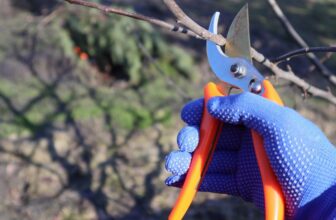
Cut just above an outward-facing bud at a 45° angle to encourage outward growth. Use sharp bypass pruners and make clean cuts to reduce disease risk.
If a cane is thinner than a pencil, remove it—young canes that stay thin will not bear well. Keep the center open by trimming crossing branches so light reaches the lower buds.
Record which canes you keep so you can follow a multi-year plan: encourage 6–8 main canes, then gradually replace old canes with new ones each season.
Maintaining Mature Bushes
Each late winter while plants are dormant, remove 20–30% of the oldest canes at ground level. This stimulates new, fruiting wood and keeps berry size high.
Cut out any weak, broken, or crossing branches. Also remove low growth that rubs the soil; those shoots waste energy and invite pests.
Selectively shorten overly long canes to keep the bush 3–6 feet tall, depending on variety. Taller bushes can be harder to harvest and shade inner fruiting wood.
Sanitize tools between plants if you see disease. Dispose of full canes off-site or burn them where allowed to prevent pathogen spread.
Shaping for Airflow and Sunlight
Aim for a vase or open-center form so light penetrates the middle of the bush. Remove inward-growing branches and keep scaffold canes spaced evenly around the crown.
Space canes so air can move through the plant; this reduces fungal disease and improves fruit drying after rain. Prune to avoid dense tangles that trap moisture.
Place cuts to leave room for new shoots; do not crowd multiple new canes in the same spot. Thin annually rather than making drastic cuts only once, which stresses the bush.
Use stakes or ties only for very vigorous shoots during establishment; avoid permanent tying that restricts natural movement and airflow.
Protecting Blueberries from Pests and Diseases
Blueberry plant care is very important when growing blueberries at home. One important key point is to keep the plants healthy. You should remove diseased material, and watch for the presence of insects and birds. Use resistant varieties, good spacing, and soil acidity control to reduce many problems before they start.
Common Blueberry Pests
Like any other plants producing sweet fruits, the blueberry plant is a prime target for pests. Below are the most common pests you may encounter and how you should protect them:
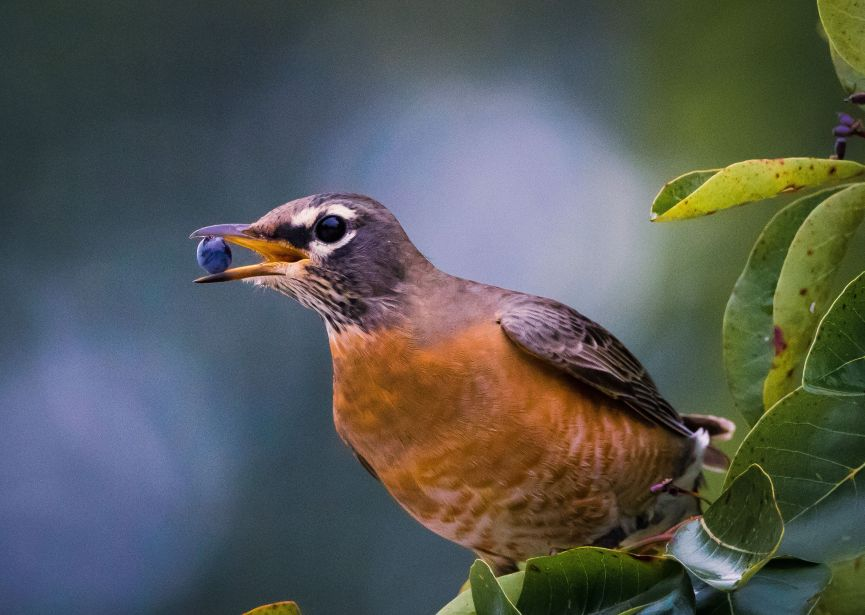
- Birds, especially robins and starlings, eat ripe fruit quickly. Cover rows with netting or use scare devices when berries start to color.
- Blueberry maggot and spotted wing drosophila lay eggs in fruit. Pick early, remove overripe berries, and use sticky traps or timely baits to catch adults.
- Aphids and scale feed on leaves and can spread viruses. Spray insecticidal soap or horticultural oil in early season and prune infested canes.
- Caterpillars and budworms chew leaves and fruit. Hand-pick small populations or use targeted biological controls like Bacillus thuringiensis (Bt).
- Mammals such as deer and rabbits browse foliage. Install fencing or use repellents before damage becomes established.
Preventing Fungal Problems
Bluebeeries are subject to fungal disease caused by saturated wet areas Here is how you can mitigate fungal problems:
- Fungal diseases thrive in wet, crowded plantings. Space bushes 4–6 feet apart and prune to open the canopy for better air flow.
- Keep mulch a few inches away from the crown to prevent crown rot. Use well-draining, acidic soil (pH 4.5–5.5) to reduce root stress.
- Monitor for leaf spot, powdery mildew, and botrytis during bloom and fruit set. Remove and destroy infected leaves and mummified fruit as soon as you see them.
- Apply fungicides only when needed and follow label instructions. Time sprays around bloom and pre-harvest windows for best effect while protecting pollinators.
Integrated Pest Management Strategies
- Scout your patch weekly for early signs of trouble: chewed leaves, sticky honeydew, or tiny larvae in fruit. Record what you find and act quickly.
- Use physical controls first: netting for birds, row covers for insects, and traps for monitoring pest levels. Combine those with cultural steps like sanitation and proper irrigation.
- Introduce or conserve beneficial insects such as ladybugs and parasitic wasps to reduce aphids and caterpillars. Avoid broad-spectrum insecticides that kill helpful predators.
- When chemical controls are necessary, choose selective products, rotate modes of action to prevent resistance, and apply at the right stage of pest development.
Harvesting and Storing Blueberries
You will learn when berries are ripe, the best way to pick them without damage, and how to store them for short or long periods to keep flavor and texture.
Identifying Ripeness
Ripe blueberries are fully blue across the berry with a slight dusty bloom. The bloom is a natural waxy coating; if it wipes off easily, the berry is likely ripe.
Gently test by rolling a berry between your thumb and finger. Ripe berries come off the stem with little force. If the berry resists or is pale at the stem end, leave it to ripen another few days.
Taste one from different parts of the bush. Ripe berries are sweet with a mild tartness. Check bushes every 2–3 days during peak season because fruits ripen quickly in warm weather.
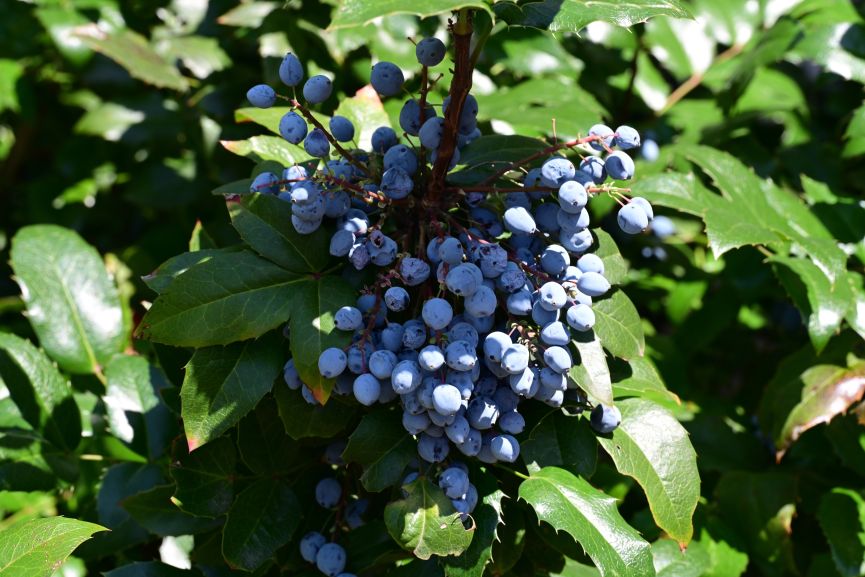
Harvesting Techniques
Harvest in the cool morning after dew dries to reduce softening and spoilage. Use shallow containers so lower fruit doesn’t get crushed.
Cup a cluster in your hand and use your thumb and forefinger to roll ripe berries off the stem. Avoid tugging hard; that bruises fruit. Don’t harvest half-blue berries—pick only fully colored ones.
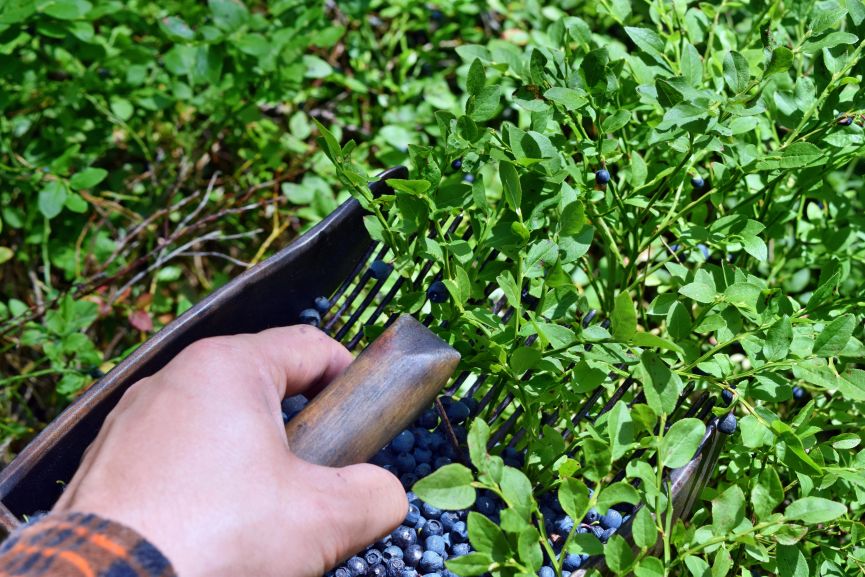
For larger plantings, use a small berry rake or vibratory blueberry harvester for efficiency, but inspect and remove damaged fruit by hand afterward. Keep harvested berries in a single layer until you get them home.
Short-Term and Long-Term Storage
For short-term use, refrigerate unwashed berries in a shallow, breathable container. Place a paper towel under the berries to absorb moisture and keep the fridge at 32–36°F (0–2°C).
Do not wash berries before storing; washing speeds mold. Wash right before eating or cooking. Use refrigerated berries within 7–10 days; check daily and remove any soft or moldy fruit.
For long-term storage, freeze berries on a tray in a single layer until solid, then transfer to airtight freezer bags. Label with date; frozen berries keep best quality for 8–12 months. For preserves, follow tested jam or syrup recipes and process jars according to safe canning guidelines.
FAQ About Growing Blueberries
Final Thoughts on How to Grow Blueberries
Learning how to grow blueberries isn’t complicated—but success depends on getting the basics right: acidic soil, proper sunlight, and consistent care. Watch for potrential pests coming to destroy your hard work. Having a drip irrigation water system is perfect for blueberry bushes as it will water at the roots and not overwater your plants.
Once established, blueberry plants reward you with years of delicious, healthy fruit and require far less effort than most crops.
Whether you’re planting in your backyard or growing in containers, now is the perfect time to start your blueberry-growing journey.
As usual, if you plan to grow blueberriesd or you are already growing them, do not hesitate to share your thoughts, and feedback. Our gardening community would love to hear from you. Simply leave us a word below.
I do receive a commission at no cost to you from sales referred by our links. The commission received helps me and my team enhance our reviews and buying guides by acquiring some of the products to better serve you. Rest assured, we have carefully selected these products for their usefulness and quality.