
Is it that hard to grow green onions?
Avoid these common mistakes and you will see and eat succulent green onions this summer
If you’re looking for an easy, fast-growing vegetable, learning how to grow green onions successfully is the perfect place to start. They can be tricky but once oyu get them going, you should be fine. Green onions (also called scallions) are beginner-friendly for gardeners starting out. They require minimal space, and can even regrow from kitchen scraps.
In this post, you’ll discover everything you need to know about growing green onions at home, including the best planting methods, watering techniques, and expert tips to maximize your harvest.
- Onions are easily grown from seed, bulbs, or transplants planted several weeks before the last frost in spring.
- High-quality soil that is well-drained with a pH between 6.0 and 7.0ppm will enhance your green onions growth
- Onions can also be started out in water before transplanting into the soil.
- Growing green onions can be very rewarding but keep an eye on pests and disease early.
- Avoid your green onions from bolting or producing early flowers.
- Green onions will regrow faster, when green leaves are cut 1 to 2 inches above the bulb.
The history of green onions is a long one. They have been grown and bred for thousand of years whether it was wild or through gardening. Throughout all these years onions-in general have developped in multiple varieties as we know them today with each one type having their own particular distinct flavour. The types and flavors are even distinct based on the regions they grow. Onions are easy to grow and can be planted from seed, transplants, or small bulbs called “sets.”
When onion plants grow they become a bulb based on temperature changing and daylight extending. Therefore, where you live, will have a direct impact on the type of onions will grow best in your region.
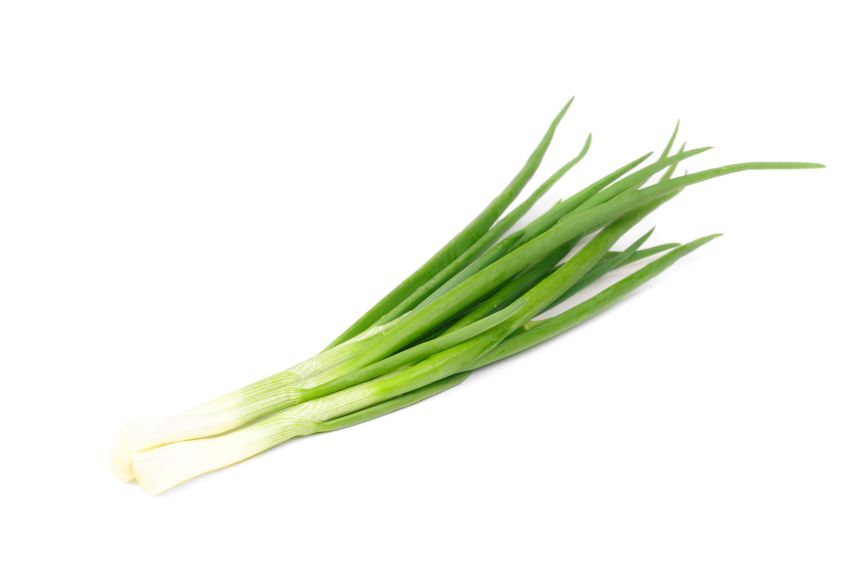
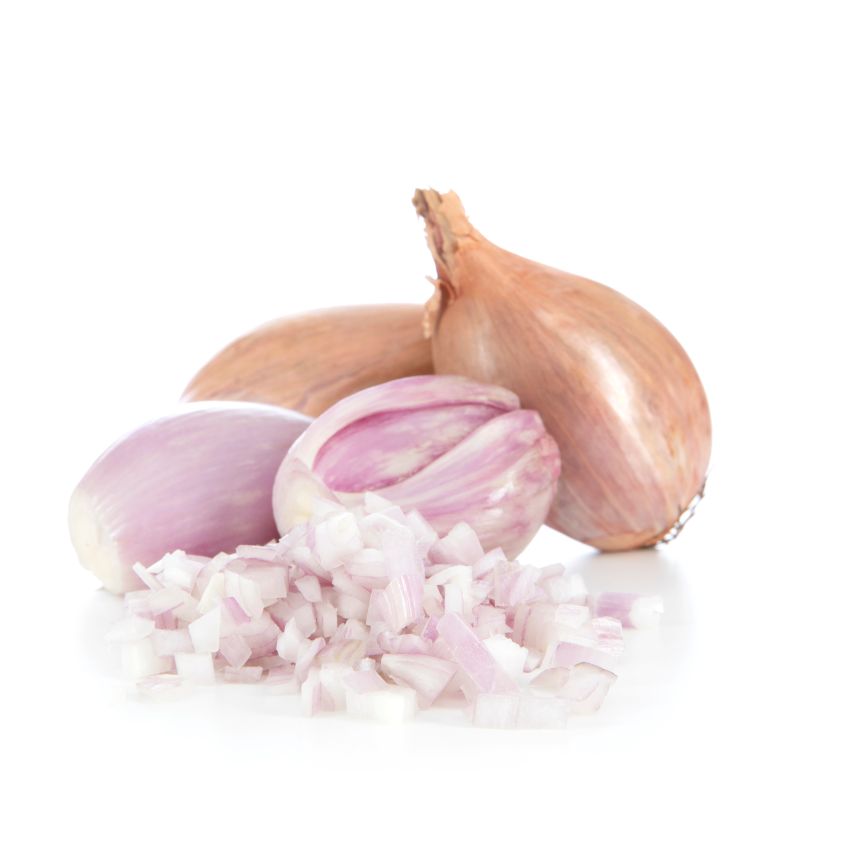
Shallots or Green Onions – What is the difference?
Many people tend to mix both and think it’s the same. One is the other and vice versa. In reality, there are differences between the two, which you may want to know.
 |  |
|
|
|
|
|
|
|
|
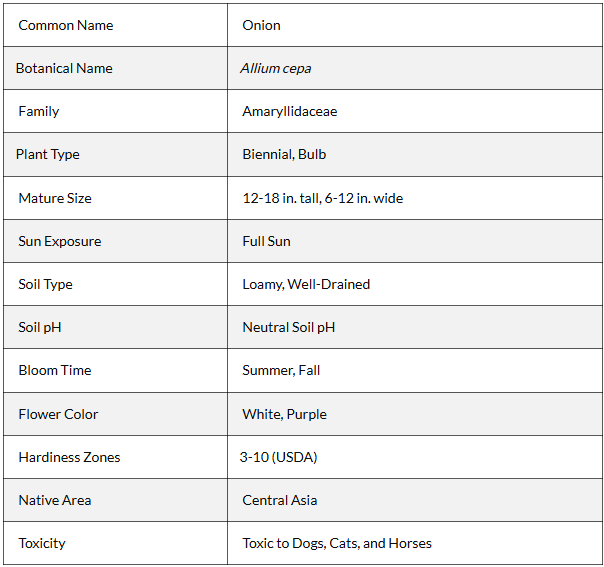
Green Onions – Plant Attributes
Below are the valuable plant attributes when growing green onions:
Why Grow Green Onions at Home?
Growing green onions comes with several benefits:
- Fast growth (ready in 3–4 weeks)
- Ideal for small spaces and containers
- Easy to regrow from scraps
- Low maintenance and beginner-friendly
- Continuous harvest with proper care
These qualities make green onions one of the best vegetables to grow at home.
Best Conditions for Growing Green Onions
To grow green onions successfully, you need to provide optimal growing conditions. Germination takes anywhere between 7 and 14 days. Below is a quick summary of the best conditions for growing green onions in your garden.
Sunlight
Green onions grow best in full sun:
- 6–8 hours of sunlight daily
- Can tolerate partial shade in hot climates
Soil Requirements
Use high-quality soil for best results:
- Well-draining, loose soil
- Rich in organic matter
- pH between 6.0 and 7.0
Temperature
Green onions prefer cooler weather:
- Ideal temperature range for best growth: 13°C–24°C (55°F–75°F).
- Green onions will tolerate light frost.
- Avoid extreme heat if possible.
How to Plant Green Onions
There are two popular methods for planting green onions. You can grow green onions from seeds or from scraps. We will look at both methods.
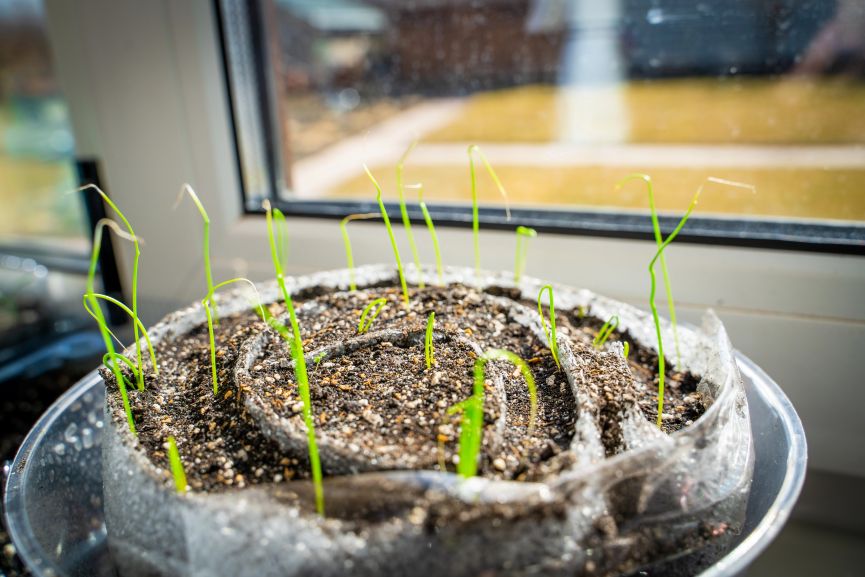
Growing Green Onions from Seeds
Below you will find the steps on growing green onions from seeds:
- Prepare loose, fertile soil – preparing the soil is key. Adding some organic comppst always help.
- Sow seeds ¼ inch deep. Follow the instruction on the back of the packet for best results.
- Space rows 12 inches apart. Green onions need their space for a successful growth.
- Thin seedlings to 1–2 inches apart.
- Water gently and consistently. If you have a drip irrigation system set it to water at the roots or at the bulb
Regrow Green Onions from Scraps
This method is one of the easiest gardening hacks. Below are the steps of growing green onions from scraps:
- Save the root ends (1–2 inches).
- Place them in a glass of water.
- Keep in direct sunlight.
- Change water every 2–3 days.
- Transplant into soil after roots grow.
This method allows you to regrow green onions indefinitely.
Watering and Fertilizing Green Onions
Watering
Green onion plants have a shallow root so consistent and even moisture is essential. Looking at how much water is sufficient, you can look at one inch of rain once a week. If you have a drip irrigation system to water your green onions set it accordingly.
- Keep soil evenly moist
- Avoid soggy soil
- Water 2–3 times per week depending on climate
Note: If you have young green onion plants that are planted in a sandy soil, keep in mind they will need more water than a normal soil. I suggest and recommend watering mopre than an inch a week.
You should stop watering your green onions when the tops of the plants begin to fall over. This is a sign your bulbs are ready to harvest.
Fertilizing
Fertilizing your green onions is essential for a proper growth. Below I have listed the different nutrient the green onion plants need. As you can see below, it requires several types of minerals. These minerals can esily regrouped in fertilizer available at your local gardening store. I have broken what each mineral missing might cause, or do to your green onion plant.
| Nitrogen Fertilizer Application | Green onions will do best when you apply nitrogen fertilizer. Insufficient application of nitrogen fertilizer will decrease the number of green onion leaves to decrease. |
| Phosphate Fertilizer Application | Phosphate fertilizer can promote the stalk length of green onions, and insufficient phosphate fertilizer will directly affect the yield and quality of green onions. |
| Potassium Fertilizer Application | Potassium fertilizer can increase the overall hardness of green onions and prevent the onions from falling down. |
| Calcium Fertilizer Application | A lack of calcium fertilizer will cause irregular white blight spots under the new leaves of green onions. If calcium deficiency is severe, it will also cause a large area of rhizome rot. |
| Manganese Fertilizer Application | If the manganese fertilizer is missing, the veins of the green onions will be light green, and if the manganese is severe, a series of irregular white spots will appear on the green onions. |
| Boron Fetilizer Application | Insufficient boron fertilize will affect the development of green onion plants. It will hinder the green onion plants' growth causing the green leaves to wither and become crooked, deformed or not growing new leaves |
| Iron Fertilizer Application | If iron fertilizer is missing, the plant part of the green onion will be light green, and the overall quality of the green onion will be seriously affected. |
| Magnesium Fertilizer Application | When magnesium fertilizer is missing, the color of green onion leaves will become lighter. |
The bottom line is feed your plants for better growth with a quality fertilizer. Keep those tips handy
- Use balanced fertilizer every 2–3 weeks
- Organic compost works best
- Avoid over-fertilizing
How to Care for Green Onions Plants
Proper care ensures healthy plants and high yields. When growing green onions, expect some adversity from growing weeds, pests and insects. It is important to stay on top and regularly check your green onion plants.
Thinning
- Prevent overcrowding
- Improves airflow and growth
Weeding
- Remove weeds regularly
- Use mulch to reduce weed growth
Pest Control
Common pests include:
- Aphids
- Thrips
- Onion maggots
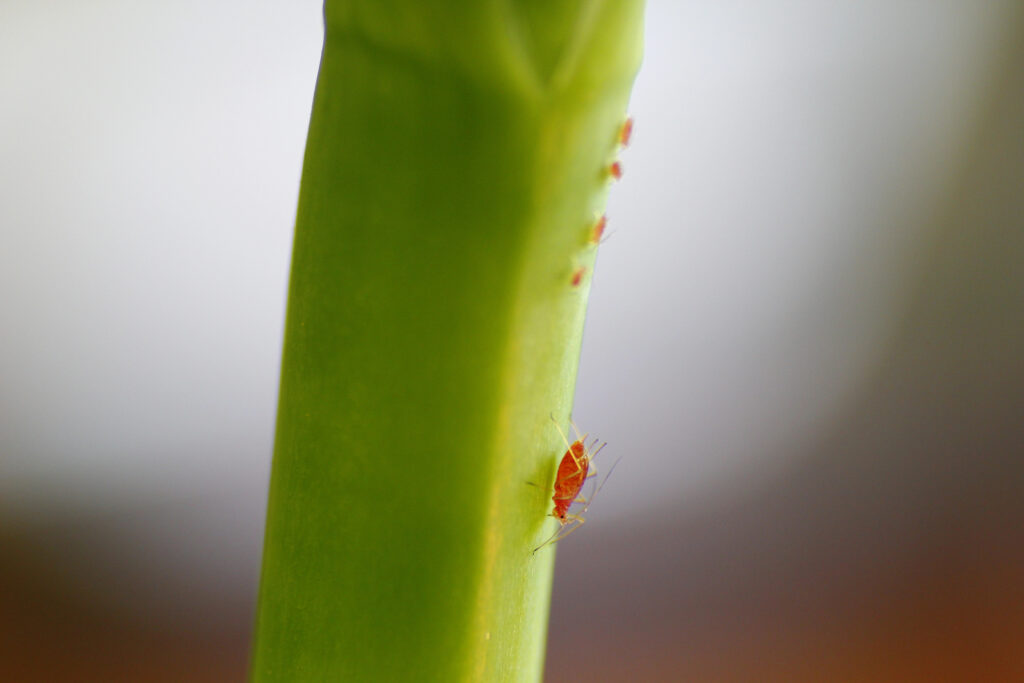
Use natural solutions like neem oil to protect your plants.
Growing Green Onions Indoors
You can grow green onions indoors year-round.
Indoor Growing Tips:
- Use pots with drainage holes
- Place near a sunny window
- Use quality potting mix
- Water regularly
This is perfect for apartment dwellers or winter gardening.
How Long Do Green Onions Take to Grow?
Green onions are one of the fastest-growing vegetables:
- From seeds: 3–6 weeks
- From scraps: 1–3 weeks
You can start harvesting when they reach 6–8 inches tall.
Harvesting Green Onions
Harvesting correctly helps extend your yield.
Best Practices:
- Cut tops 1–2 inches above soil
- Allow regrowth for multiple harvests
- Pull entire plant if needed
This method ensures a continuous supply of green onions.
Common Mistakes and Issues to Avoid
Avoid these common errors when growing green onions:
- Overwatering (causes root rot)
- Poor soil drainage
- Planting too close together
- Not enough sunlight
- Skipping fertilization
Avoid Your Green Onions from Bolring
he most common problem when growing green onion is bolting, or premature flowering. When an onion goes to flower, the energy that was being used to produce the bulb is diverted to reproduction and the onion bulb will stop forming. If this happens, harvest the onions and use them like green onions or scallions.
Onions bolt for a variety of reasons, mostly driven by temperature fluctuations. A period of good growing weather followed by a prolonged cold snap can trick the plants into flowering. Likewise, a cool spring followed by high heat can induce bolting. Bolting can be limited by planting at the right time for your area. If using onion transplants, make sure they are no larger than a pencil. Onion sets should be an inch or less in diameter.
Fixing these issues will dramatically improve your results.
Tips to Grow Green Onions Faster
Want quicker growth? Follow these expert tips:
- Use raised beds
- Add compost regularly
- Keep soil consistently moist
- Harvest frequently
- Start seeds indoors
These techniques help maximize growth and yield.
Companion Planting for Green Onions
Like many other vegetables green onions have planting companions. Below is a list of the green onions good and bad companions:
Good companions:
- Carrots
- Lettuce
- Beets
- Tomatoes
Avoid:
- Beans
- Peas
Companion planting helps reduce pests and improve growth.
Can You Grow Green Onions Year-Round?
Yes! You can grow green onions all year with proper planning:
- Spring/Summer: Outdoor garden
- Fall: Containers or greenhouse
- Winter: Indoors near sunlight
Use succession planting every 2–3 weeks for continuous harvest.
FAQ: Growing Green Onions
My Final Thoughts
Now that you know how to grow green onions successfully, you can start growing your own fresh supply at home. With the right conditions, proper care, and a little consistency, green onions can become one of the easiest and most productive crops in your garden.
Whether you’re planting seeds outdoors or regrowing scraps in your kitchen, this simple vegetable offers big rewards with minimal effort.
I hope you enjoyed this post and as usual if have any comments or feedbacks please share with us and the rest of the community. We certainly want to hear from you. If you have questions or you are not certain on what to prune and when leave us a word.
I do receive a commission at no cost to you from sales referred by our links. The commission received helps me and my team enhance our reviews and buying guides by acquiring some of the products to better serve you. Rest assured, we have carefully selected these products for their usefulness and quality.