

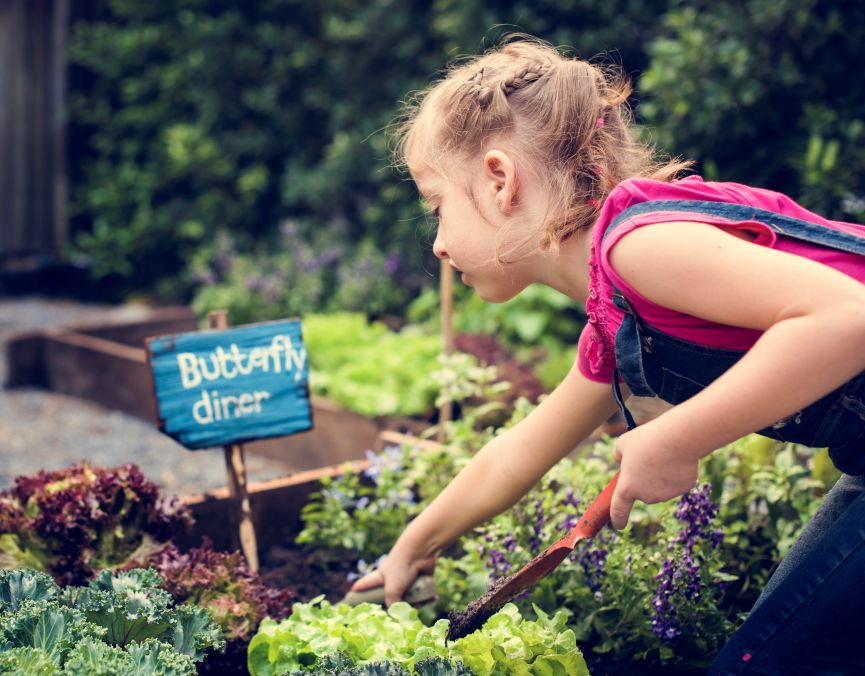
This is the time of the year where your children are on March break and what they are doing or I should say NOT DOING will give you an idea of what they might do or NOT DO in the summer. We are talking about TV and gaming or simply just hanging out. But kids gardening activities might be the solution for the Spring, Summer and Fall.
There is a lot to learn about gardening especially at a younger age. Gardening is more than simply planting seeds and watching plants grow. It is a meaningful activity that provides children with hands-on learning, creativity, and valuable life skills. In a time when many children spend hours indoors on their phone, tablets or computers, gardening offers an exciting way to reconnect with nature.
The benefits of gardening for kids extend beyond growing fruits, vegetables, or flowers. Gardening teaches responsibility, improves mental and physical health, encourages healthy eating habits, and helps children develop patience and curiosity about the natural world.
Parents, teachers, and caregivers are increasingly recognizing how gardening activities for children can support overall child development. Whether done in a backyard, school garden, or small container garden, gardening offers countless opportunities for kids to learn and grow.
This article explores the most important benefits of gardening for kids and why it should be encouraged at home and in schools.
Gardening Encourages Healthy Eating Habits
One of the most important benefits of gardening for kids is the positive impact it has on their eating habits.
Children who grow their own fruits and vegetables are much more likely to try and enjoy them. When kids plant tomatoes, carrots, cucumbers, or strawberries, they become excited to taste the food they helped grow.
Gardening in a vegetable garden helps children:
- Understand where food comes from
- Appreciate fresh fruits and vegetables
- Identify and learn less common vegetable and fruits
- Develop healthier eating habits
Studies show that children involved in gardening programs often eat more vegetables than those who are not involved in gardening. It further educates them in the process of growing vegetables and fruits prior to consumption. Growing food also creates curiosity and pride, making kids more willing to eat nutritious foods.
This simple activity can play a big role in building lifelong healthy eating habits.
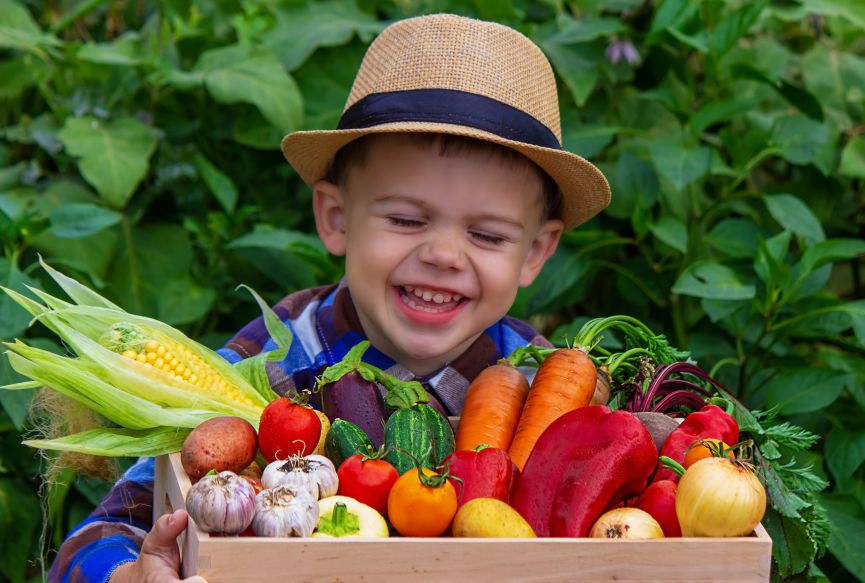
Gardening Teaches Responsibility
Another key reason parents love gardening is that it teaches children responsibility.
Plants require care to survive. They must be watered regularly, exposed to sunlight, and protected from pests. When kids are given a small gardening task or their own plant to care for, they learn that living things depend on them.
This responsibility helps children develop important life skills such as:
- Consistency
- Accountability
- Time management
Over time, kids begin to understand that their actions affect the health of their plants. This lesson makes teaching kids gardening a powerful way to build responsibility.
Gardening Improves Physical Health
Gardening is a wonderful way to encourage children to stay active. Many gardening tasks involve movement and physical effort. Some raking, weeding, lifting, bending down/rise up frequently are just a small sample of the physical activity involved.
Gardening Activities
Some common gardening activities for children include:
- Digging soil
- Planting seeds
- Pulling weeds
- Watering plants
- Carrying small tools
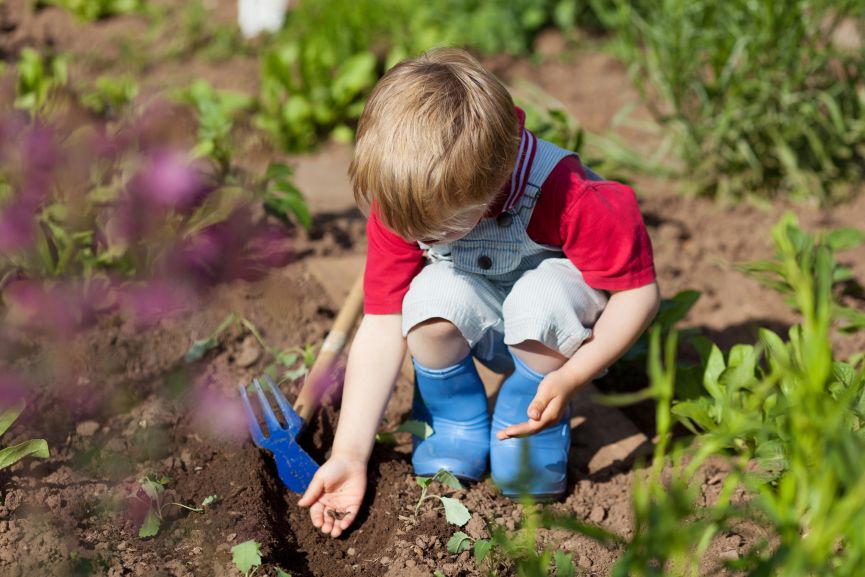
These activities improve strength, coordination, and motor skills. Gardening also gets children outdoors, where they benefit from fresh air and sunlight keeping in mind to protect them from prolonged sunlight exposure.
Physical activity is an important part of childhood development, and gardening provides a fun alternative to sedentary activities like watching television or playing video games.
Gardening Supports Learning and Education
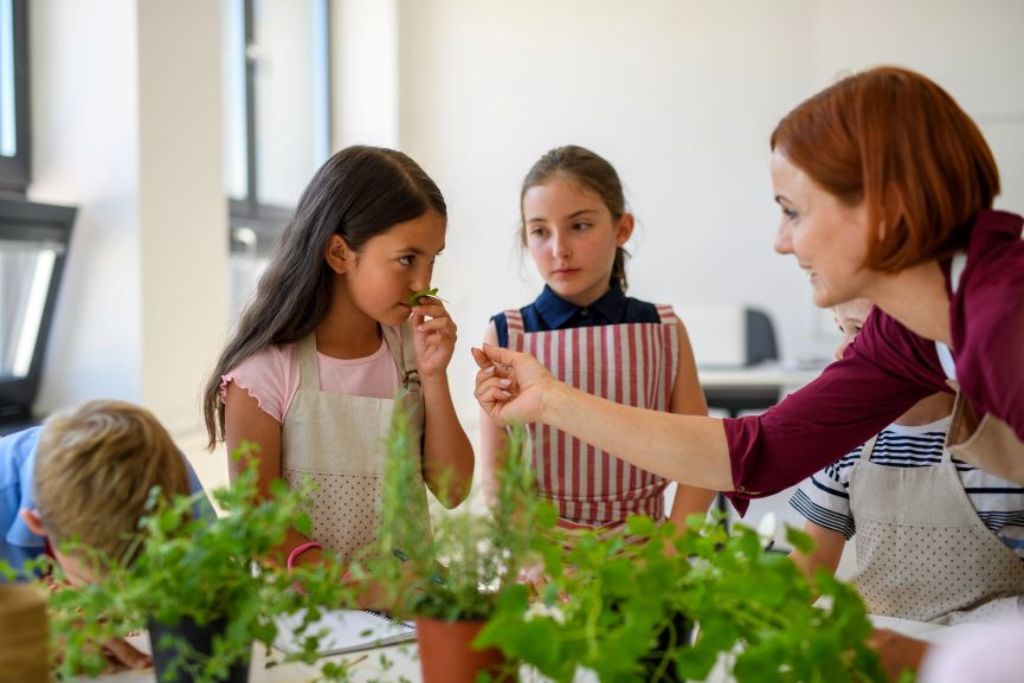
Gardening can turn an ordinary outdoor space into a living classroom. Many educators use gardening to teach science, math, and environmental studies.
For example, children can learn about:
- Plant life cycles
- Photosynthesis
- Soil health
- Weather patterns
- Insects and ecosystems
These lessons become easier to understand because kids are learning through hands-on experience rather than just reading from a textbook. They also get the instruction from parents whom they will tend to listen and believe.
Gardening can also support math skills. Children can measure plant growth, count seeds, and track harvest amounts. It gets them into basic time elapsed , time management and future planning.
Because of these educational advantages, many schools are now introducing garden programs to support academic learning. If your school has such a program, I would inquire on to get your children involved.
Gardening Builds Patience
Patience is one of the most valuable life lessons gardening teaches.
Unlike many modern activities that provide instant results, gardening takes time. Seeds need days or weeks to sprout, and plants may take months to produce fruits or vegetables.
Through gardening, children learn that:
- Growth takes time
- Hard work leads to results
- Good things require patience
Watching plants slowly develop encourages kids to stay committed and appreciate the process of growth. It is important to explain the phases of a garden, and tell them how long it takes for each phases. If they get discouraged, planting certain vegetables at different time will give the children a vision of progression.
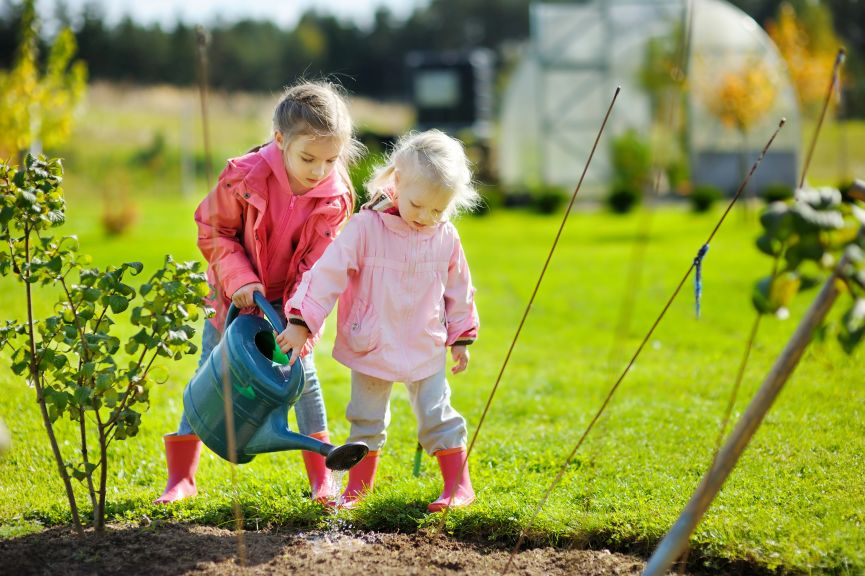
Learning patience through gardening can help children in many areas of life, including school and personal goals.
Gardening Boosts Emotional Well-Being
Spending time in nature has a calming and positive effect on children. Gardening allows kids to interact with plants, soil, and insects in a peaceful environment.
Many experts believe that gardening can help reduce:
- Stress
- Anxiety
- Mood swings
Gardening encourages mindfulness because children focus on simple tasks like watering plants or observing how leaves grow.
This connection with nature helps children feel relaxed and emotionally balanced. It also encourages them to spend more time outdoors rather than indoors.
These emotional benefits are another reason why the benefits of gardening for kids are widely recognized by educators and child development specialists.
Gardening Builds Self-Confidence
Watching a tiny seed grow into a plant can be incredibly rewarding for children.
When kids successfully grow flowers or vegetables, they feel proud of their accomplishment. This success helps boost self-confidence and encourages them to try new challenges.
Gardening teaches children that their effort can create real results. Seeing plants grow because of their care reinforces a positive sense of achievement.
As a result, kids become more confident in their abilities and develop a stronger sense of independence.
Gardening Encourages Creativity
Gardening is also a creative activity that allows children to express themselves.
Kids can experiment with different plants, colors, and garden designs. They might decorate planters, pots, create garden labels, or arrange flowers in unique ways.
Creative gardening activities include:
- Designing a small garden layout such as a strawberry patch
- Painting with unique drawings or designs flower pots
- Creating themed gardens
- Growing colorful flowers like zinnias
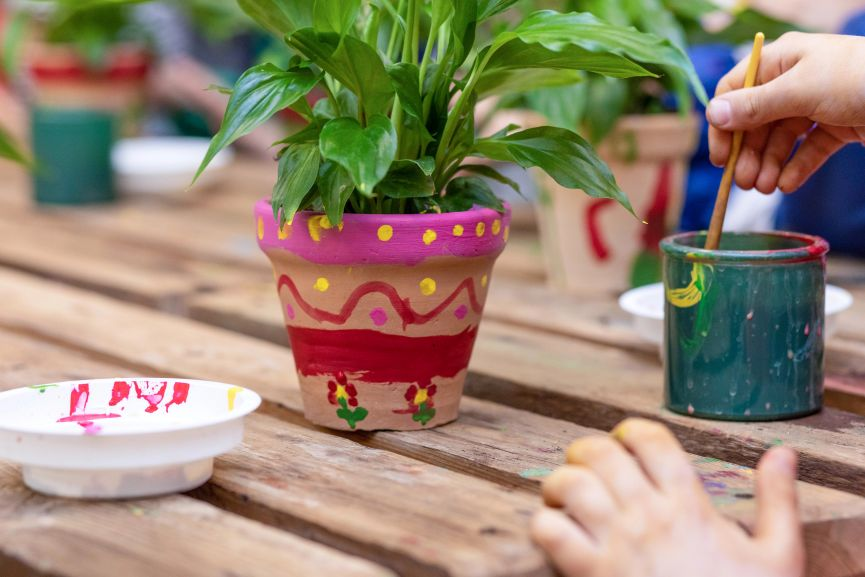
These activities encourage imagination and artistic expression while teaching children about nature.
Gardening Helps Kids Connect with Nature
Many children today have limited interaction with nature. Gardening helps change that.
By planting and caring for plants, children learn about the natural world and develop respect for the environment.
They begin to understand:
- The importance of soil and water
- The role of insects and pollinators
- How plants support ecosystems
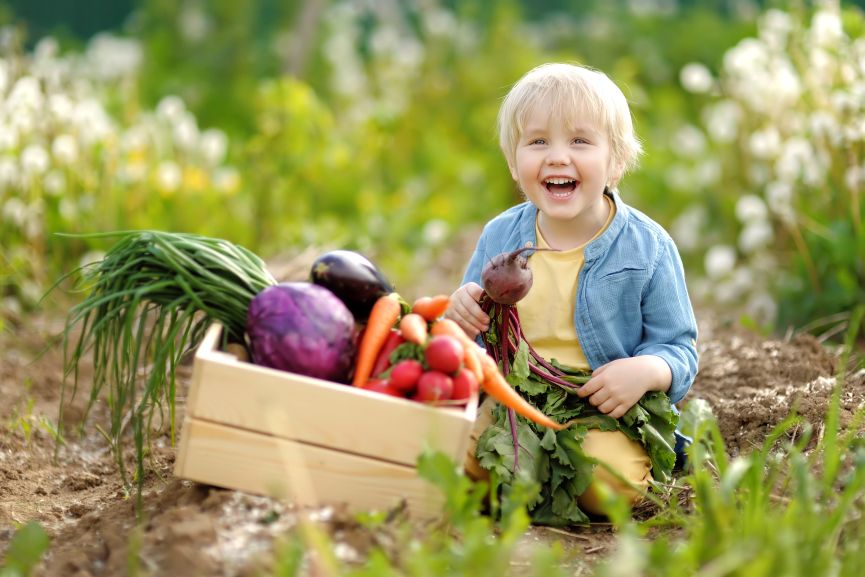
This early exposure helps children develop environmental awareness and appreciation for the planet.
Teaching kids about sustainability through gardening can inspire them to care more about protecting the environment as they grow older. It represents the perfect initiation to environment protection.
Gardening Encourages Family Bonding
Like any family activity gardening can also be a wonderful family activity. I, as a kid, was constantly helping my father in the garden and it gave me an excellent opportunity to bond further with my dad while learning.
Parents and children can work together to plant seeds, water plants, and harvest vegetables. These shared experiences create opportunities for meaningful conversations and quality time.
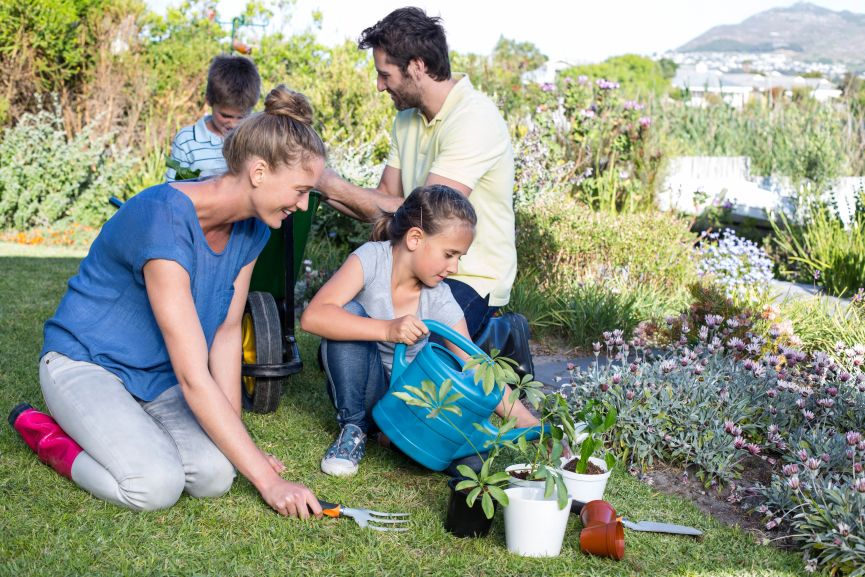
Family gardening helps strengthen relationships while teaching valuable skills. They learn to follow simple directions with a fun result in the end.
Children often remember these moments for years, making gardening not just educational but also emotionally meaningful.
Tips for Teaching Kids Gardening
If you want your child to experience the benefits of gardening for kids, starting is easier than you might think.
Here are some simple tips:
Start Small
Use containers like a pot, a planter or small garden beds so kids do not feel overwhelmed. Make them own that particular area where they will feel more pride.
Choose Easy Plants
Plants like sunflowers, tomatoes, lettuce, and herbs grow quickly and are easy for beginners. Planting bulbs like tulips or daffodils in the Fall can be also a fun experience because they insert them for the Winter and will see the results in the Spring.
Give Kids Ownership
Let children choose what they want to plant and care for their own plants. Ownership as mentioned above can be an area of the garden or their own pots to care for.
Make It Fun
Turn gardening into a fun activity by adding colorful tools, decorations, or garden games. Decorating labels for the garden or painting pots are great activities to get them involved in a fun way.
Celebrate Progress
Praise children when their plants grow or produce flowers or vegetables. One great example is making a favorite strawberry dessert with their own strawberries they planted once they are ready to be picked.
Encouragement helps kids stay excited about gardening.
Frequently Asked Questions About the Benefits of Gardening for Kids
Why is gardening important for kids?
Gardening is important for kids because it teaches responsibility, patience, and healthy habits. It also encourages outdoor activity, improves emotional well-being, and helps children learn about nature and food sources.
What skills do kids learn from gardening?
Children learn many valuable skills through gardening, including responsibility, teamwork, patience, and problem-solving. Gardening also improves motor skills and introduces children to science and environmental education.
At what age can kids start gardening?
Children can start gardening as early as 3 to 5 years old with simple tasks like watering plants or planting seeds. As they grow older, they can take on more responsibilities such as weeding, harvesting vegetables, and planning garden layouts.
What are the easiest plants for kids to grow?
Some of the easiest plants for kids to grow include:
- Sunflowers
- Tomatoes
- Radishes
- Lettuce
- Herbs like basil or mint
These plants grow quickly and are easy for beginners to manage.
How does gardening help child development?
Gardening supports child development by improving physical activity, encouraging curiosity, and strengthening emotional health. It also promotes healthy eating habits and helps children build confidence through hands-on learning.
Some Final Thoughts
The benefits of gardening for kids go far beyond planting seeds and watering plants. Gardening supports healthy eating habits, teaches responsibility, improves physical activity, and strengthens emotional well-being.
It also encourages curiosity, creativity, and a deeper connection with nature. Whether done at home or in school, gardening offers children a unique opportunity to learn important life skills while having fun.
By introducing children to gardening at an early age, parents and educators can help them develop confidence, patience, and a lifelong appreciation for the natural world.
Gardening may seem like a simple activity, but its impact on children’s development can be truly powerful.