
For many the term plant companions may seem strange or you may have never heard of it. Companion planting is one of the most powerful—and natural—ways to improve your garden’s health, productivity, and resilience. Instead of relying heavily on fertilizers and pesticides, gardeners can strategically pair plants together so they support each other’s growth.
Whether you’re tending a backyard vegetable patch, planning raised beds, or expanding your homestead garden, this complete guide to plant companions for gardening will walk you through everything you need to know about plant companions for gardening.
Below is a list of the main crops, their companions and the added benefits of growing side by side
Companion Planting Chart
| Crop Name | Companions | Benefits and Notes |
|---|---|---|
BEANS |
Lovage Nasturtium Rosemary Corn Sunflowers |
Corn helps climbing beans (not bush beans), providing a natural structure to help beans reach sunlight. corn is planted first, preventing early competition. Source: USDA, NIH.
Lovage attracts beneficial insects such as parasitoid wasps Nasturtiums proves an effective trap crop that draws pests away from French/bush beans. Source. Rosemary repels common garden pests thanks to its compounds—camphor, cineole, and camphene. Sunflowers provide support as a living trellis. Source: Three Sisters Guild, Eames-Sheavly, Cornell Cooperative Extension (1993) |
BEETS |
Bush beans Garlic Lettuce Onion family |
Bush beans are beneficial to beets, fixing nitrogen making it available to soil; however, runner or pole beans stunt growth.
Garlic improves beet growth and flavor. Lettuce grows well with beets, due to complementary root structures, soil shading, and weed suppression Onions and beets grow well together, reducing pest pressure, increasing root yield, and benefiting soil health and crop spacing. |
BROCCOLI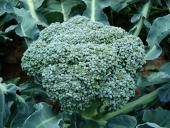 |
Alyssum Dill Chinese Cabbage Marigold Nasturtium Oregano Sage Thyme |
Alyssum helps broccoli by attracting hoverflies, which are important natural predators of aphids—the main pest of broccoli.. Source: USDA.
Chinese cabbage can be effectively used as a trap crop planted alongside broccoli to attract and divert cabbage root flies. Source: NIH Dill contain repellent properties against broccoli pests. Source. It’s also a physical barrier to protect broccoli from pest attack. Source. Sage reduces pest egg-laying of diamondback moths on intercropped broccoli. Source. Thyme and nasturtium reduce cabbage looper and imported cabbageworm damage in broccoli. Source: Iowa State University |
CABBAGE |
Chamomile Dill Garlic Nasturtium Onion Rosemary Sage Tansy Thyme |
Chamomile deters pests when intercropped with cabbage. Source.
Dill intercropped with cabbage attracts parasitic was to control cabbage worms. Source: Kenny & Chapman (1988). Garlic repels diamondback moths. Source. Thyme disrupts egg-laying of the diamondback moth. Source. Nasturtium, onion ,and thyme plots have resistance toward cabbage worm and cabbage looper. Source. Onions help cabbage by lowering pest pressure and boosting productivity. Source. Sage, dill, chamomile and hyssop disrupt the egg laying behaviour of the cabbageworm. Source. |
CARROTS |
Chives Leeks Onions Peas Radishes Rosemary Sage Savory |
Onions intercropped with carrot significantly reduced carrot fly attacks. Source. Onions also improve root yield. Source.
Chive and leeks may also repel carrot fly through odor masking and interference. Marigolds reduce nematodes in the soil to prevent root knot issues and crop stunting, but only when grown and ploughed in the soil the year before. Source. Sage odor alters carrot fly behavior, potentially helping protect carrots by disrupting the flies’ host-finding. Source. Summer Savory significantly reduces carrot psyllids, aphids, nematodes, and carrot fly. Source. |
CORN |
Beans (pole) Cucumbers Dill Geranium Peas Potatoes Squash Sunflower |
Beans intercropped with corn increase yield and soil fertility, according to multiple sources.
Pole beans climb and support corn and squash, shield soil, deter pests, and suppress weeds (squash vine borers, mammals). Source. Geranium (Pelargonium) attracts Japanese beetles; geranium’s toxins paralyze them, reducing beetle pressure on corn silks. Source. Potatoes using subterranean space complement corn’s shallow roots; they stabilize soil and shade ground. Dwarf sunflowers planted around corn attracted an army of pest-hungry ladybugs. (Kansas Academy of Science). |
CUCUMBERS |
Pole Beans Corn Dill Nasturtiums Oregano Chili Pepper Radish Sunflowers Tansy |
Beans add nitrogen, aiding cucumber growth and reducing pest incidence. Source. Bean flowers attract pollinators. Both beans and cukes can share support structures.
Corn intercropped with cucumbers reduces cucumber insect pests by over 50% versus cucumbers grown alone. Source. Dill repels aphids and mites that may attack cucumbers. Source. Nasturtium is a trap plant that keeps cucumber beetles, squash bugs, squash beetles, whiteflies and aphids away from cucumber. Source. Hot Pepper intercropped with cucumber reduced root knot nematode (Meloidogyne incognita) attack. Also, peppers creates resistance to cucumber mosaic virus. Radishes are a companion plant to repel cucumber beetles. A 2008 study published in HortTechnology. Sunflowers create a natural trellis for the climbing cucumber vines, provide shade, and attract pollinators. Tansy (Tanacetum vulgare) repels cucumber beetles, ants, bugs, beetles, and flying insects. Source. |
LETTUCE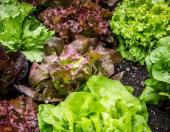 |
Alyssum Chives Garlic Onion Oregano Peas Poached Egg Radish Thyme |
Alyssum intercropped with lettuce controls aphids. Source: USDA. Chives, garlic, and onions deter aphids and other pests by masking scent. Source: Iowa State University. Onions planted around lettuce led to fewer cutworms. Source: CBTA. Oregano brings in predators for pests, especially ground beetles. Peas benefit lettuce, adding nitrogen to the soil. Source. Poached egg plant attracts hoverflies, whose larvae then consume aphids. Source: Journal of Agricultural Science. Radishes are a trap crop for lettuce, attracting pests away from lettuce and enhancing overall crop productivity. Source. Thyme deters cabbage worm, looper, and weevil. Source. |
ONIONS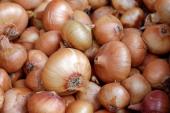 |
Beets Cabbage Carrot Chard Lettuce Strawberry Tomatoes |
Beets intercropped with onions influences onion seed yield positively. Source.
Marigolds reduce the egg laying of onion maggot fly. Source: Scientia Agricola |
PEAS |
Alyssum Chives Corn Lettuce Mint Radish Spinach |
Alyssum brings pollinators to the pea flowers and encourages lacewings, which eat aphids. Source.
Lettuce interplants well with peas and can enhance efficiency without hurting pea yield. Source: Journal of Agricultural Sciences |
PEPPERS |
Basil Chives Cilantro Dill Leeks Onions Oregano Rosemary |
Basil improves the growth and flavor of peppers and has a protective, insecticidal quality. Same goes for oregano.
Dill intercropping supports beneficial predators that help reduce corn borer damage on peppers. Source. Leeks and chives can help peppers by repelling aphids. Source. Onions emit strong odors that can repel various pepper pests, including aphids, thrips, and whiteflies. Rosemary benefits peppers by reducing aphids, if planted nearby (around 0.5 meters) . Source. |
POTATOES |
Basil Beans Calendula Cilantro Dill Garlic Horseradish Onion Peas Tansy |
Basil discourages Colorado potato beetles and also attracts beneficial insects. Source.
Beans (bush) intercropped with potatoes improve both yield and soil health. Source. Calendula, tansy, and horseradish planted at the corner of a potato patch ward off Colorado potato beetles. Source: ACS Cilantro planted near potatoes reduces populations of the Colorado potato beetle, aphids, carrot rust fly and spider mite. Source. Dill does a great job of luring enemies of the Colorado potato beetle. Source: Rutgers University. Garlic planted with potatoes (3:1 ratio) led to the best disease suppression (late blight) and yield gain. Source. Onions reduced aphids and pest populations. Source. |
PUMPKINS and WINTER SQUASH 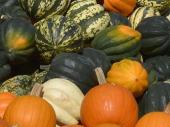 |
Beans Borage Calendula Corn Lovage Marigold Nasturtium Oregano Radish Tansy |
Pole beans produce nitrogen for the squash and pumpkin, and squash is traditionally planted with corn and beans (“three sisters”) to disorient the adult vine borer. Source.
Borage flowers bring predators which eat the squash pests, plus pollinators! Source: Permaculture Research Institute Marigold deter beetles, especially the striped cucumber beetle and squash bug. Source. Nasturtium, radish, and tansy repel cucumber beetles. Source. |
RADISHES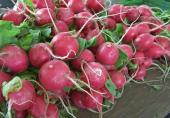 |
Bok Choi Chervil Collards Lettuce Nasturtium Peas Spinach |
Bok choi (pac choi) intercropped with radish boosted harvest. Source: NIH.
Collards complement radishes. In the same plot, they increase use of space without any negative effects on growth. Head lettuce is a good companion to radish but avoid overcrowding. Peas are well documented as an early nitrogen-fixer, improving fertility and radish growth. Source. Spinach intercropped with radish significantly increased growth and yield. Source. |
SPINACH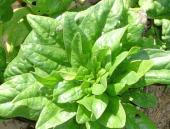 |
Beans Celery Cilantro Coreopsis Peas Radish |
Peas and pole beans provide natural shade for the spinach, and also improve soil fertility to improve nutrient availability. Source.
Radishes planted alongside spinach can optimize space, reduce pests, and improve overall yield. Source. Coreopsis is a lovely flower that will attract beneficial insects, like bees, butterflies, and other pollinators, including hoverflies, soldier beetles, and tachinid flies. Add to any bed! |
TOMATOES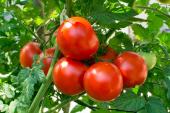 |
Asparagus Basil Beans Borage Calendula Celery Marigold Parsley Radish Rosemary Thyme |
Asparagus and tomatoes support each other by repelling each other’s pests—tomatoes release solanine to deter asparagus beetles, while asparagus secretes compounds that repel root-knot nematodes. (Source: Rutgers)
Basil simply makes tomatoes healthier, releasing volatiles that prime the tomato’s defense system, enhancing its response to wounding and pest attack. Source: NIH. Bush Beans interplanted with tomatoes decrease disease. Source: Jessica Walliser Plant Partners. Borage attracts the parasitic wasp that attacks aphids and tomato hornworms. Source. Borage also attracts pollinators, and enhances tomato growth, taste, and disease resistance when intercropped. Source. Calendula is a flower companion which repels tomato pests. Marigolds repel whiteflies when planted with tomatoes. Source. Radish works as a trap crop for flea beetles, a pest of young tomato seedlings. Rosemary oils repel aphids, thrips, and whiteflies—all common tomato pests . Thyme helps reduce insect damage to tomatoes. Scientists at Iowa State saw a reduction in egg-laying by adult armyworms when tomatoes were interplanted with the herb. Thyme improves tomato root development, flowers, and fruit in studies when on its own. Source. |
ZUCCHINI/ SUMMER SQUASH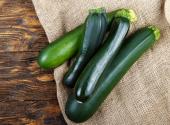 |
Buckwheat Marigold Nasturtium Oregano Radishes Zinnia |
Buckwheat alternating with squash strips reduces aphids, plant disease, and increases beneficial poplations. Source: University of Florida.
Marigold intercropped with zucchini demonstrated the best resistance to cucumber beetle. Source: RES Oregano provides pest protection as a natural insecticide. Source. Nasturtium repels cucumber beetles. Source. Radishes planted alongside zucchini reduces squash bug egg laying. University of Nebraska. Zinnia attract predators that eat whiteflies and also attract pollinators. Permaculture Institute. |
Thanks for the Farmer’s Almanac in providing this very informative table
What Is Companion Planting?
Companion planting is the practice of growing different plants together to enhance growth, deter pests, improve soil health, and increase yields. Certain plants release chemicals that repel insects, fix nitrogen in the soil, attract beneficial pollinators, or provide shade and structural support.
It’s a technique rooted in traditional agriculture but backed by modern ecological understanding.
Key Benefits of Plant Companions
- 🌱 Natural pest control
- 🌼 Improved pollination
- 🌿 Healthier soil structure
- 🍅 Higher crop yields
- 🌎 Reduced need for chemicals
- 💧 Better moisture retention
When thoughtfully planned, companion planting turns your garden into a thriving ecosystem.
Classic Companion Planting Example: “The Three Sisters”
One of the most famous examples of companion planting is the old concept of the Three Sisters method practiced forever by Native American communities. The principle is very simple and include the following trio as a baseline:
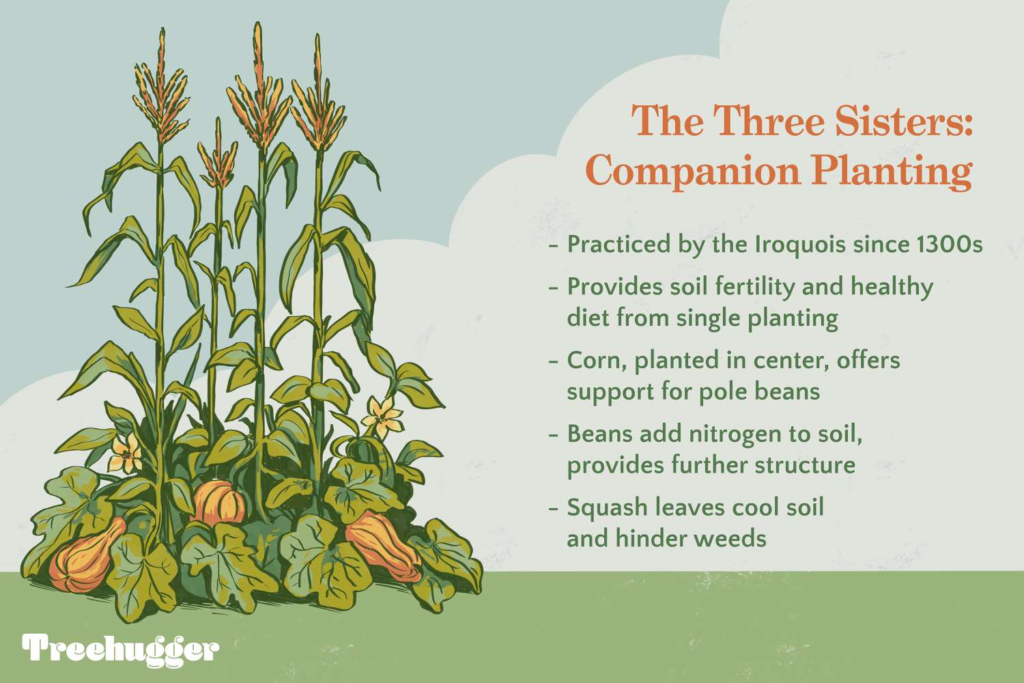
Thanks for the Treehugger for this valuable Infographic
- Corn – Provides vertical support
- Beans – Fix nitrogen in the soil
- Squash – Spreads across the ground, suppressing weeds and conserving moisture
Together, these plants create a self-sustaining system. The beans feed the soil, corn supports the beans, and squash protects the ground.
This ancient technique remains one of the best demonstrations of ecological gardening.
Best Companion Plants for Vegetables
Below are some of the most effective plant pairings for a productive garden.
🍅 Tomatoes and Their Best Companions
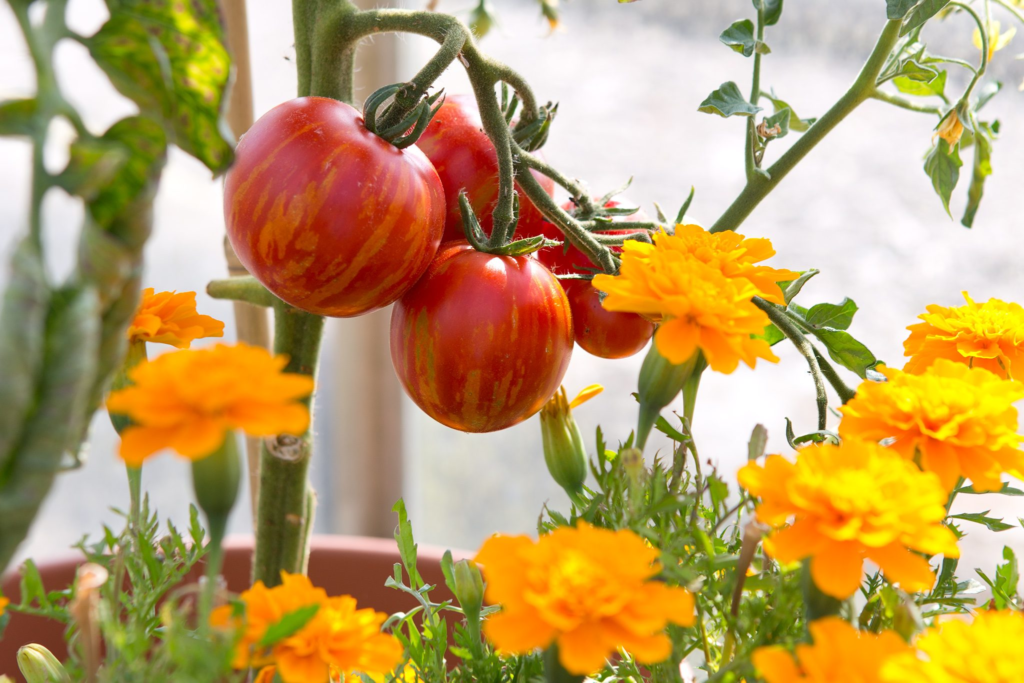
Tomatoes are heavy feeders and pest magnets, making companion planting especially beneficial for the plant itself and also for the tomatoes to successfully ripe. Tomatoes have good plant companions and some that may be detrimental to them.
Good Companions for Tomatoes
- Basil – May improve flavor and repel pests
- Marigolds – Deter nematodes and insects
- Garlic & Onions – Repel aphids and spider mites
- Carrots – Loosen soil and maximize space
Avoid Planting Near Tomatoes
- Potatoes (shared diseases)
- Corn (shared pests)
- Fennel (inhibits growth)
TIP: Planting basil and marigolds around tomatoes is one of the simplest ways to boost garden resilience.
🥕 Carrots and Friendly Neighbors
With carrots, you can possibly fear carrot flies becoming a nuisance and disrupt the growth of your carrot plants. The most common type of flies enjoying your carrots is the carrot rust fly. It is a weak flying insect that can damage your crop fairly quickly. They they operate is that adult females are attracted to the odor of the host plant. They lay their eggs at the crown of the plant. It is not the adult that creates the damage to the carrot plant, but the larvae. They will burrow themselves into your garden soil and start feeding on the roots. Your carrot plants will benefit from companions such as onions and rosemary that repel carrot flies and maximize soil usage.
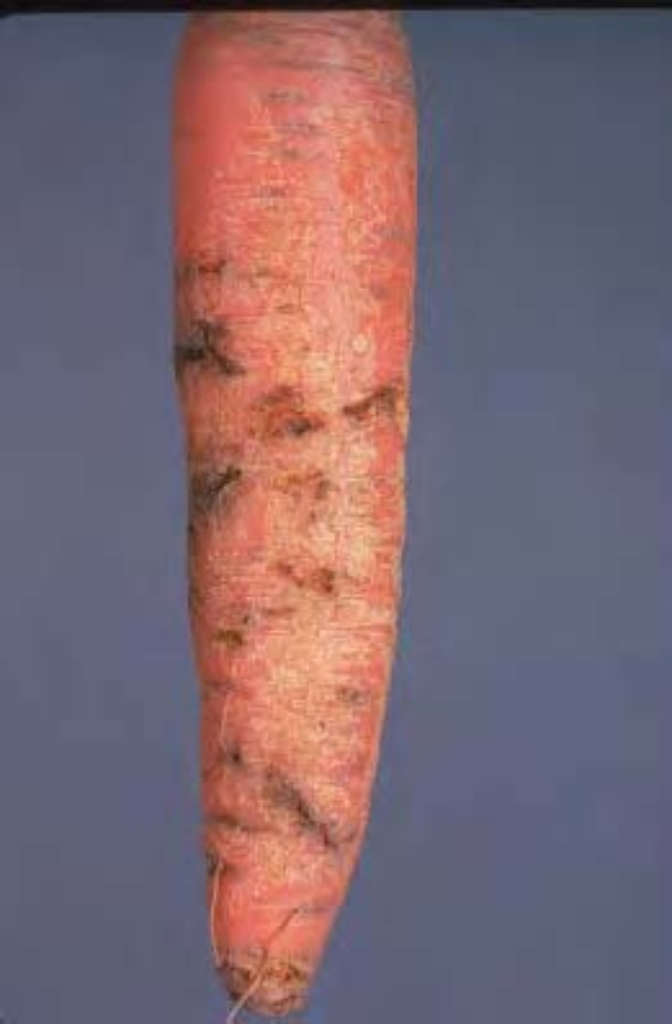
Picture Copyrights – Oregon State University
Best Plant Companions for the Carrot Plant
- Onions
- Leeks
- Rosemary
- Lettuce
- Tomatoes
The strong scent of onions confuses carrot flies, protecting your harvest naturally.
🥬 Lettuce Companion Plants
With lettuce, the most fearful pest is probably insects eating the leaves. One of the biggest pest in my region is certainly the Japanese beetle or the(Popillia japonica) . They populate rapidly and can quickly devastate your crop. Brought in accidentally from Japan, the insect do not discriminate regarding what types of plants they feed on. The smell of roses do attract them towards that plant more aggressively but anything in their sight are their prey as far as plants are concerned.
Lettuce will also benefit from environmental friendly companions such as the cucumbers but keep in mind cucumbers will spread and take space. Other companions can be tomatoes to provide partial shade. Below is a list of the ideal companions for lettuce plants.
Ideal Plant Companions for the Lettuce
- Radishes
- Carrots
- Cucumbers
- Tomatoes
- Strawberries
TIP – Because lettuce grows quickly, it makes an excellent intercrop for maximizing small spaces.
🌶 Peppers and What to Plant Nearby
Peppers have many similarities with tomato plants and plant companions is one of them. Below is a list of he plant companions for the peppers.
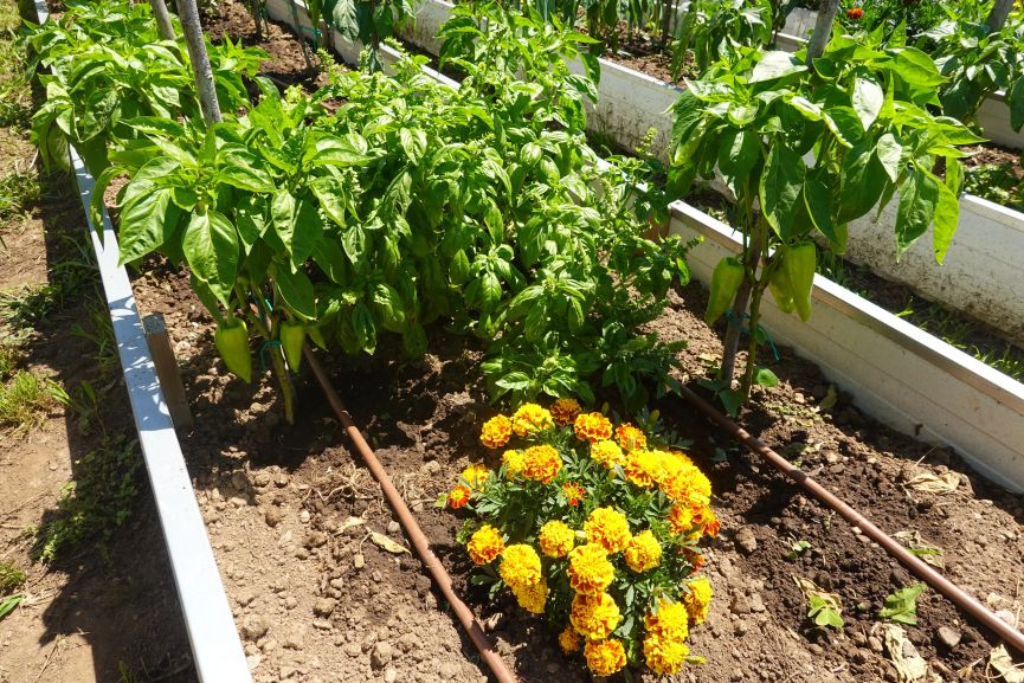
Good Matches to the Pepper Plant
- Basil
- Onions
- Spinach
- Marigolds
- Carrots
Avoid these Plants with the Pepper Plants
- Fennel
- Brassicas (may compete for nutrients)
Herb Companion Planting Guide
Herbs are powerful garden allies and pest guardian. Many contain natural oils that repel pests or attract beneficial insects. Aside from their companionship, they can produce great scent in your garden. One of the best herbs for plant companion are the basil and rosemary. Some of its best features are:
🌿 Basil
- Pairs well with tomatoes and peppers
- Repels flies and mosquitoes; and
- Enhances pollinator activity.
🌱 Rosemary
- Repels cabbage moths and carrot flies;
- Thrives in dry, sunny areas;
- Pairs well with carrots and brassicas*
* Brassicas are also known as cole crops or cruciferous vegetables . They are a nutrient-dense family of plants (Brassicaceae). They include popular vegetables like broccoli, cabbage, kale, brussels sprouts and turnips. These vegetables are rich in Vitamin C and K fiber and are great anti-oxidants.
Companion Plants for Pollinators
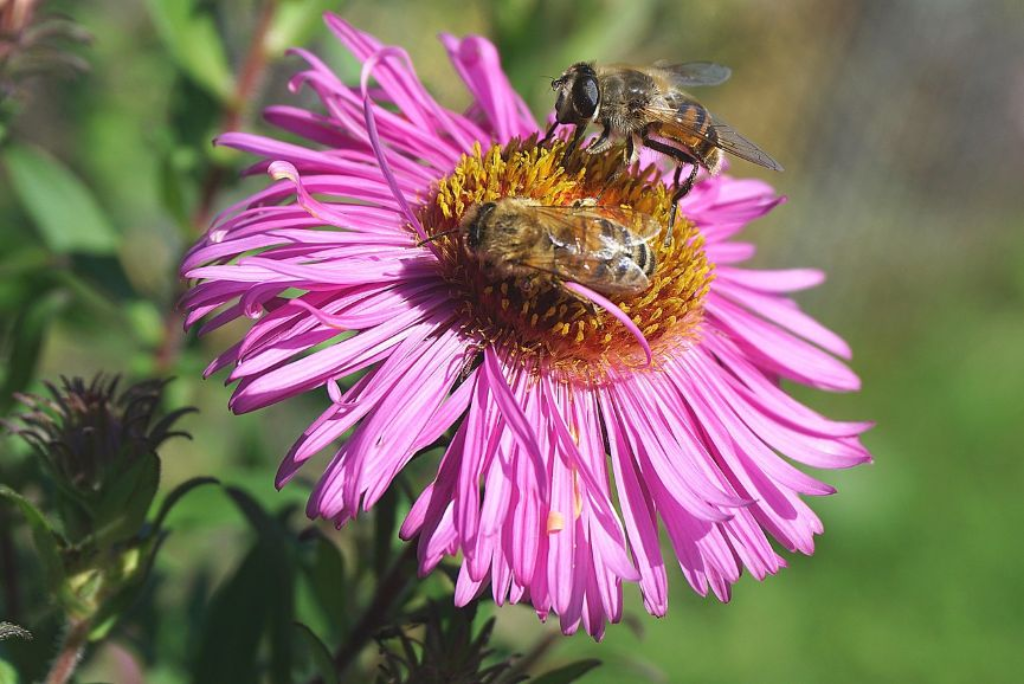
Pollinators are an essential component of any gardens. Encouraging pollinators increases fruit production dramatically. Some of these flowers near at proximity of your vegetable garden will attract bees, butterflies, and beneficial insects that will help your garden flourish. Below is a short list of excellent pollinators.
Excellent Pollinator Companions:
- Lavender
- Nasturtiums
- Sunflowers
- Borage
- Zinnias
Plants That Should NOT Be Planted Together
Now that we have looked at the plants that get along and promote each other’s growth, let’s see those who do not get along. Just as some plants help each other, others inhibit growth. Knowing this ahead of time will tell you which vegetable should go where within your garden patch.
Some bad pairings can reduce the growing rate of their next door neighbor. Below are some of the bad pairings to avoid.
Common Bad Pairings
- Tomatoes and Potatoes (shared blight risk)
- Onions and Beans (onions inhibit bean growth)
- Fennel and Most Vegetables (allelopathic properties)
- Carrots and Dill (can stunt growth)
Understanding these conflicts prevents unnecessary crop loss.
Companion Planting by Garden Type
Raised Bed Gardening
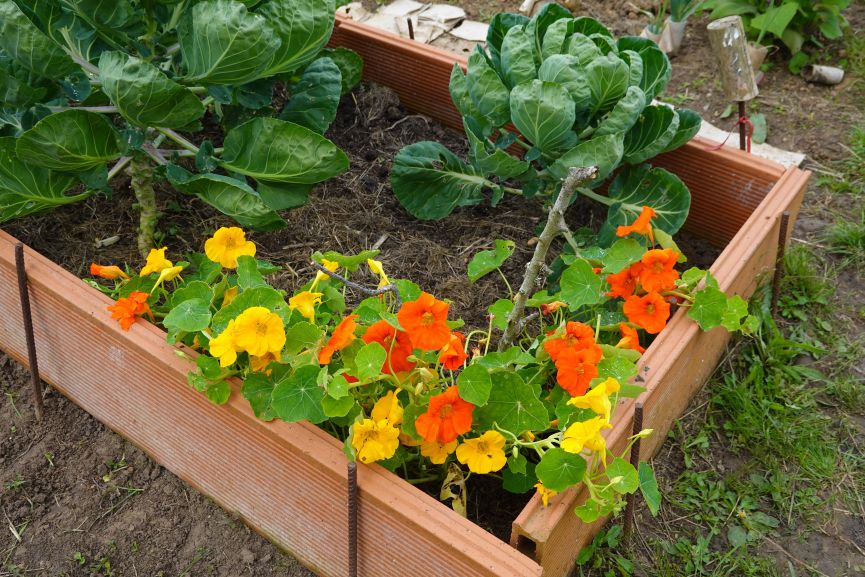
As we mentioned in our planning to build a raised bed, raised beds make companion planting easy due to its defined space. You have more control over soil addition and its planning is easier. As an example dedicating a raised bed with tomato plants with an edging of marigolds. Three principles of plant planning to follow with raised beds are:
- Use vertical layering (tall, medium, ground cover)
- Interplant fast and slow growers
- Rotate crops yearly
As an example, you would want your taller plants like tomato plants behind, pepper plants in the middle and the front row(s) with basil. They are all plant companions and will benefit together. Putting the tomato plants in the front would result in too much shade for the others behind.
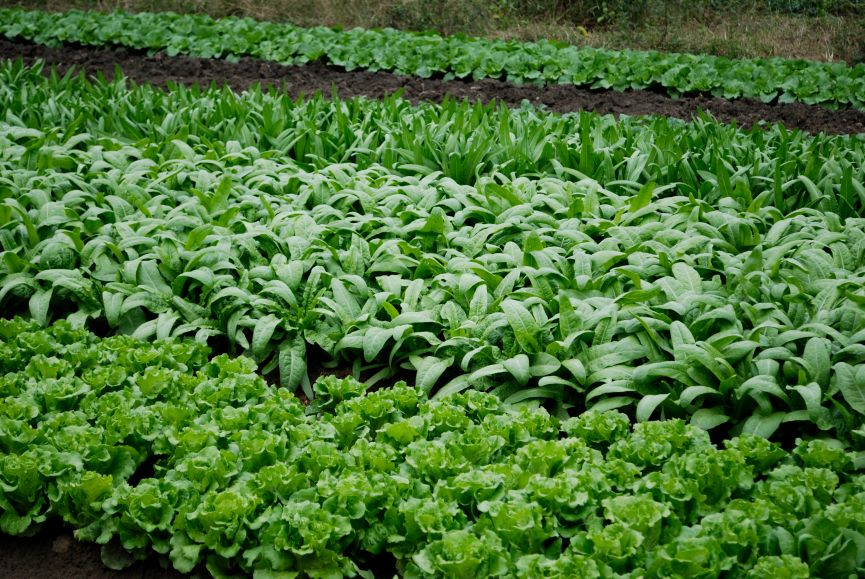
Rotating crops yearly is another important consideration. Vegetable plants extract various amounts of essential nutrients from the soil. Some more than others. Replanting the same vegetable in the same planter will inhibit growth.
Container Gardening
If you live in an apartment or a condominium even balcony gardeners can use companions. Smaller containers but the rules are applied the same way. Just ensure adequate container size and drainage.
Here are some layout examples.
- Tomatoes + Basil in one large pot
- Peppers + Spinach
- Strawberries + Lettuce
Homestead & Large Gardens
For larger properties and space for garden, you will have more space. It allows you to bring plant companions together easily and you will have more options. Scaling companion planting increases biodiversity across your land.
So for larger plots consider these best practices:
- Practice crop rotation
- Plant flowering borders
- Use cover crops like clover
The Science Behind Companion Planting
Companion planting has been existing for generations but the science behind companion planting has existed even longer, here are some components that will help understand how it works. Companion planting works through:
- Allelopathy
Some plants release chemicals that influence neighboring growth (positively or negatively).
- Nitrogen Fixation
Legumes convert atmospheric nitrogen into usable soil nutrients.
- Trap Cropping
Plants like nasturtiums attract pests away from vegetables.
- Habitat Creation
Flowers attract beneficial predatory insects that eat pests.
- Pollination
Pollination as described above increases fruit production dramatically
This ecological balance reduces dependency on synthetic inputs.
How to Design Your Companion Garden
Designing your companion garden is al part of your vegetable garden planning stage. Observing lack of growth after the fact mid-season is too late switch or change you layout. Follow this step-by-step approach:
- Map your garden layout;
- Identify sun and shade zones
- Group plants by water needs
- Pair heavy feeders with nitrogen fixers
- Add flowers for biodiversity
- Rotate crops seasonally
TIP: Using a companion planting chart can simplify planning.
Beginner-Friendly Companion Combinations
If you’re just getting started, try these easy pairings:
- Tomatoes + Basil + Marigolds
- Carrots + Onions + Lettuce
- Corn + Beans + Squash
- Cucumbers + Nasturtiums + Radishes
- Peppers + Spinach + Garlic
These combinations are reliable and widely used.
Common Companion Planting Myths
Myth 1: Every Plant Has a Perfect Match
Not always—many combinations work depending on climate and soil.
Myth 2: It Replaces All Pest Control
Companion planting reduces problems but doesn’t eliminate all pests.
Myth 3: It’s Only for Organic Gardeners
Any gardener can benefit from biodiversity strategies.
Seasonal Companion Strategies
Spring
Plant cool-season crops with herbs.
Summer
Use dense foliage plants to shade soil.
Fall
Add cover crops to restore nutrients.
Winter
Plan rotations and prepare soil. If snow covered wait for Spring.
Seasonal awareness maximizes benefits year-round.
Final Thoughts – Why Companion Planting Matters
Companion planting transforms your garden from a simple planting space into a thriving ecosystem. By choosing plant companions strategically, you create natural defenses, enrich your soil, attract pollinators, and increase yields.
Whether you’re growing tomatoes in raised beds, carrots in containers, or practicing the Three Sisters method, companion planting offers a smarter, more sustainable way to garden.
If you’ve never considered it before, start small and experiment. Once your garden is in full growing mode, observe and adjust.
Over time, you’ll discover the plant partnerships that work best in your unique garden environment—and you’ll never look at gardening the same way again. 🌱